South Korea: Exclusive: LG Chem Raises 2.5 Trillion Won to Build Semiconductor Materials Plant on Petrochemical Site
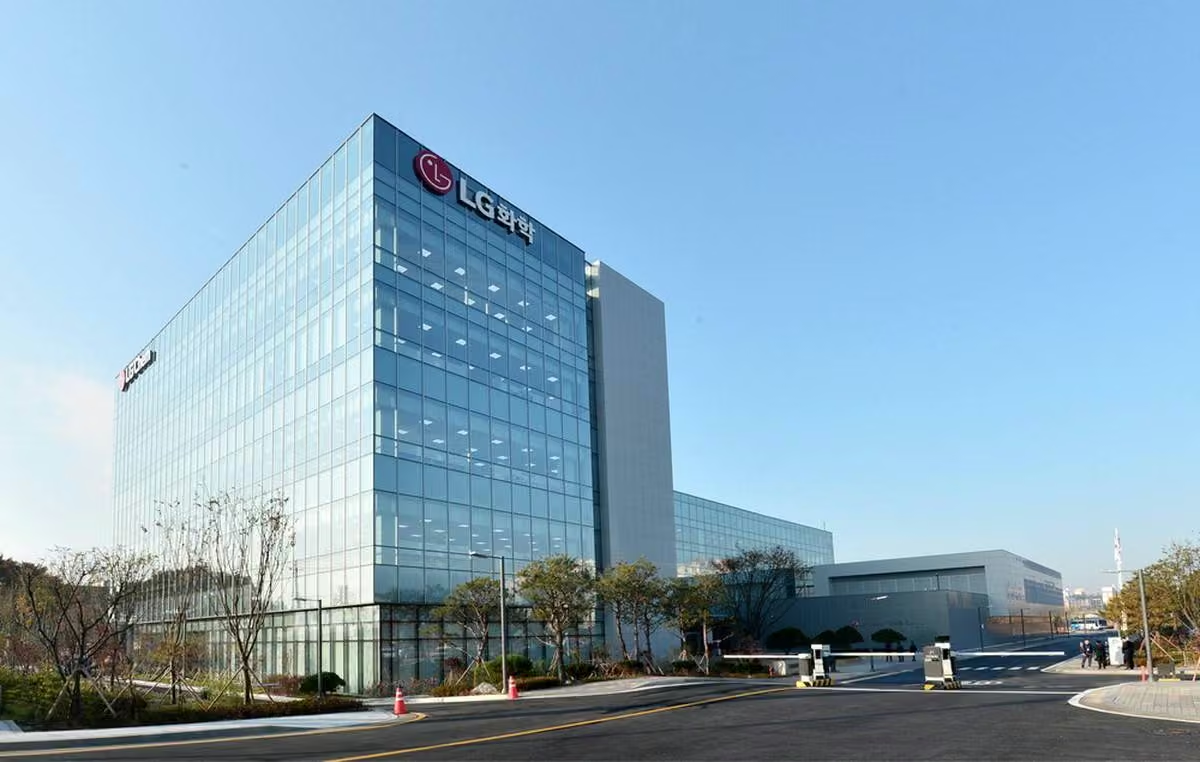
Key facts
- LG Chem secured 2.5 trillion won in funding to build a semiconductor materials plant on petrochemical land
- The company is evaluating an investment of several hundred billion won to expand isopropyl alcohol capacity at Yeosu
- The new facility will replace the existing neopentyl glycol production site at the Yeosu plant in South Jeolla
- This project marks the first use of funds raised from the sale of LG Chem's stake in LG Energy Solution
LG Chem has secured 2.5 trillion won in funding to construct a semiconductor materials facility on land currently designated for petrochemical operations.
LG Chem has secured 2.5 trillion won in funding to construct a semiconductor materials plant on land currently designated for petrochemical use.
LG Chemical is set to invest several hundred billion won to convert a basic materials plant, long plagued by Chinese oversupply, into a facility dedicated to advanced semiconductor materials. Rather than continuing to restructure its struggling general petrochemical operations, the company is pivoting its business model around high-tech materials. This project marks the first deployment of the 2.5 trillion won raised last month from the sale of its stake in LG Energy Solution.
According to multiple industry sources on October 10, LG Chemical is evaluating an investment of several hundred billion won to expand its production capacity for isopropyl alcohol (IPA) at its Yeosu plant in South Jeolla Province. The expansion is planned for the site currently housing its neopentyl glycol (NPG) production facility.
NPG, an additive used in paints and coatings, has seen its profitability plummet due to a surge in Chinese production over recent years, which drove prices down sharply. In contrast, IPA is a higher-value product. It serves as an essential cleaning agent in semiconductor manufacturing, used to remove microscopic impurities and residues from wafer surfaces, with customers including global giants such as Samsung Electronics, SK Hynix, and TSMC.
As the world’s leading supplier of IPA by market share, LG Chemical currently produces 165,000 tons of the chemical annually at its Yeosu facility. The company aims to add tens of thousands of tons to this output through the expansion, thereby strengthening its supply of high-purity products for the semiconductor sector. The International Semiconductor Equipment and Materials Association (SEMI) forecasts that the global market for wet-chemical materials used in semiconductor cleaning and etching, including IPA, will grow from $3.8 billion in 2025 to $6.5 billion by 2030.
The petrochemical industry remains in a difficult position, with profitability eroded by the influx of Chinese supply. Although the conflict in the Middle East initially suggested a potential improvement for Korea’s four major petrochemical firms—LG Chemical, Lotte Chemical, Hanwha Solutions, and Kumho Petrochemical—all four reported losses in the third quarter of this year. Industry observers note that the structural limitations of the general petrochemical business have once again become apparent.
In response, the chemical sector is accelerating its shift toward high-value-added products. Lotte Chemical is expanding its high-performance engineering plastics business at the Yeongcheon Industrial Complex in South Jeolla Province. Hanwha Solutions is restructuring its operations around high-performance resins and advanced power cable materials, while Kumho Petrochemical is reorganizing its portfolio to focus on electric vehicle and battery materials.
One industry insider commented, “The structure of the general petrochemical business involves a continuous influx of new Chinese capacity into the market, making it difficult to expect a recovery in industry conditions similar to the past.” “To remain viable, companies must simultaneously reduce equipment capacity to adjust supply and pursue a business transformation centered on high-value-added products.”
Chnchemicals take
This strategic pivot signals a decisive shift away from low-margin general petrochemicals toward high-value semiconductor materials, directly addressing the profitability crisis caused by Chinese oversupply. By reallocating capital from energy storage divestments to advanced materials, LG Chem is positioning itself to capture higher margins in a critical supply chain segment. This move reduces reliance on volatile commodity cycles and strengthens the company's competitive stance against Asian rivals in the high-tech materials market.
Frequently asked questions
How much funding did LG Chem secure to build its new semiconductor materials plant?
LG Chem secured 2.5 trillion won in funding for the project. This capital was raised last month from the sale of its stake in LG Energy Solution.
Which specific chemical product capacity is LG Chem planning to expand at its Yeosu plant?
LG Chem is evaluating an expansion of isopropyl alcohol (IPA) production capacity. This expansion is planned for the site currently housing its neopentyl glycol (NPG) production facility.
Why is LG Chem pivoting its business model away from general petrochemical operations?
The company is pivoting due to Chinese oversupply plaguing its basic materials plant. This move aims to focus on high-tech materials rather than restructuring struggling general petrochemical operations.