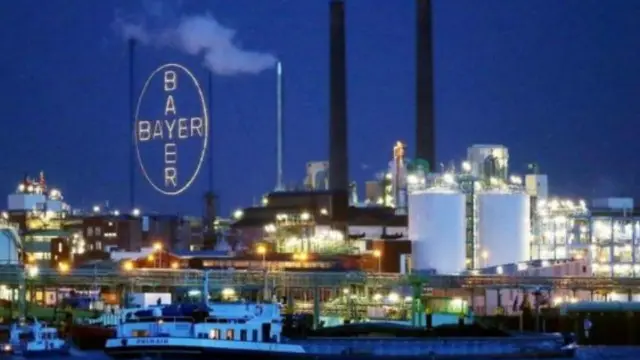
German chemical giant Bayer has confirmed a landmark $66 billion deal to acquire U.S. seeds and agricultural products company Monsanto, creating the world's largest supplier of seeds and pesticides. The acquisition, at $128 per share, will reshape the global agrochemical supply chain and has significant implications for buyers of seeds, herbicides, and insecticides worldwide.
Deal details and rationale
Bayer's final offer of $128 per share, up from an earlier $127.50, values Monsanto at $66 billion. The German company, which also operates in healthcare and pharmaceuticals, said the merger addresses the challenge of feeding a global population expected to grow by one-third by 2050. Bayer CEO Werner Baumann stated the deal delivers 'great value for shareholders, customers, employees, and society as a whole.'
Market and supply-chain impact

The combined entity will control over 25% of the global seeds and pesticides market. This consolidation comes amid a wave of mergers in the agricultural sector, including alliances between Dow Chemical and DuPont, and Syngenta's acquisition. Falling crop prices have reduced farmer spending on seeds and agrochemicals, squeezing supplier profits and driving the need for cost efficiencies.
Regulatory and competitive concerns
The deal is expected to face intense scrutiny from competition authorities due to the merged company's market power. Agricultural groups have warned that fewer choices could lead to higher prices for farmers. Professor John Colley of Warwick Business School called Monsanto a 'Frankenstein monster' in crop production, noting that Bayer paid a 45% premium over Monsanto's share price and faces a $2 billion breakup fee if the deal fails.
What buyers should watch
Overseas importers and distributors of seeds, herbicides, and insecticides should monitor regulatory approvals closely, as conditions imposed by antitrust bodies could affect product availability and pricing. The merger may also accelerate consolidation among downstream suppliers and influence the adoption of genetically modified seeds in Europe, where environmental protests have been intense. Bayer's stock rose 3% in Frankfurt, while Monsanto shares gained 1.6% in U.S. trading.
Source: Read the original report | Published: September 15, 2016