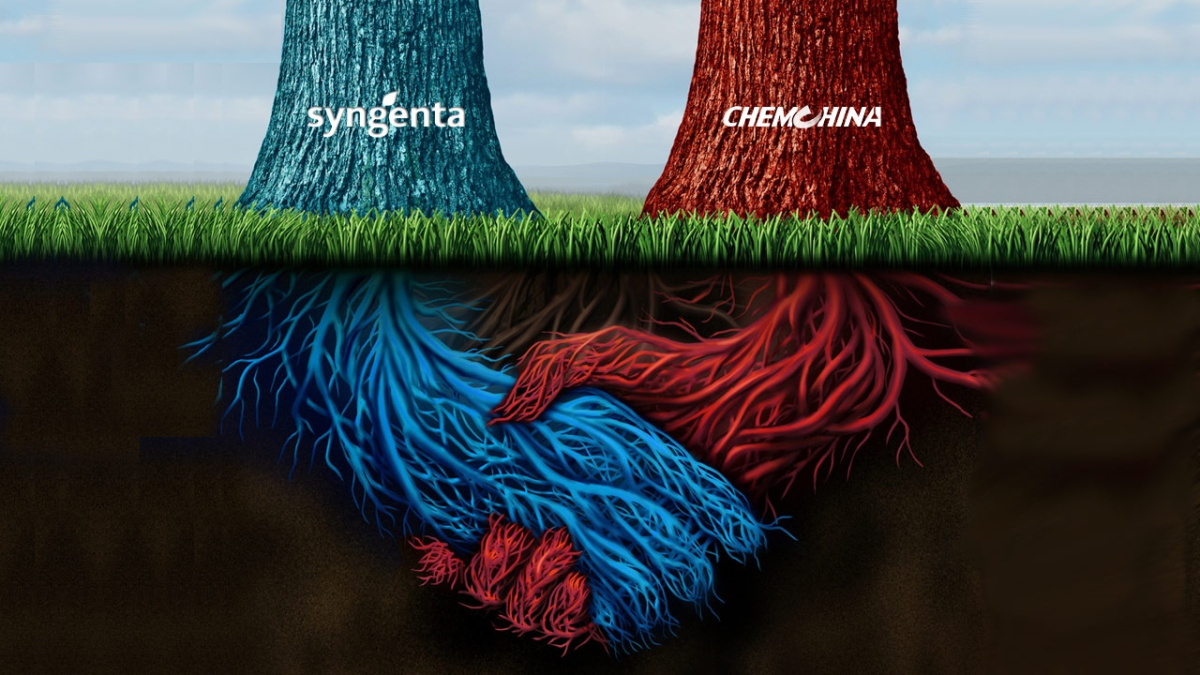
China's ChemChina has secured regulatory approvals from the US Federal Trade Commission and the European Commission for its $43 billion acquisition of Swiss agrochemical giant Syngenta, marking China's largest overseas acquisition. This deal, along with the pending mergers of Dow-DuPont and Bayer-Monsanto, is reshaping the global agrochemical landscape, with three mega-groups set to control 60% of the world's seed market and 70% of agrochemicals. For overseas buyers, this consolidation signals potential shifts in supply, pricing, and innovation in crop protection and seeds.
Deal details and regulatory hurdles
ChemChina announced the acquisition in February 2016, offering $465 per share plus a special dividend of about $5, totaling $43 billion. The US Committee on Foreign Investment cleared the deal in August 2016, citing no national security concerns. The European Commission approved it on April 5, 2017, after ChemChina agreed to divest certain Adama products to address competition concerns.
Competition concessions
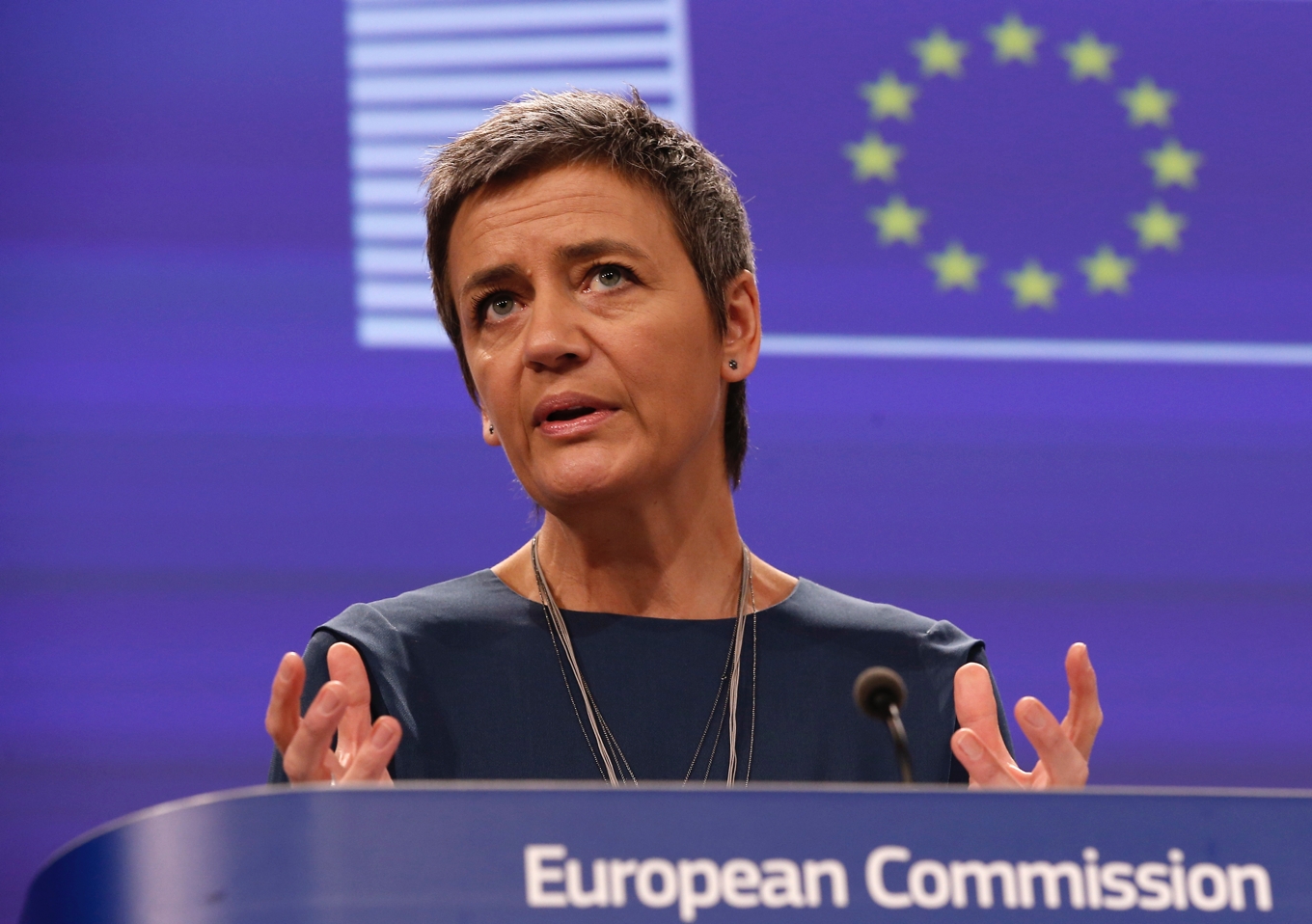
To secure EU approval, ChemChina committed to selling Adama's fungicide, herbicide, and insecticide businesses that overlapped with Syngenta's portfolio. EU Competition Commissioner Margrethe Vestager emphasized the importance of maintaining effective competition in the pesticide market for European farmers and consumers. This divestiture was a calculated trade-off for access to Syngenta's patented agrochemical and seed technologies.
Market consolidation and buyer implications
Currently, seven multinationals control 71% of the global seed market, and six firms hold 75% of the pesticide market. If the current wave of mergers is completed, three groups—ChemChina-Syngenta, Dow-DuPont, and Bayer-Monsanto—will dominate 60% of seeds and 70% of agrochemicals. For overseas buyers, this concentration may reduce supplier diversity, potentially affecting pricing and innovation. Environmental groups warn of reduced seed variety and increased farmer dependence on chemical inputs.
China sourcing context
China's seed and pesticide market is valued at $10.6 billion, and Syngenta aims to expand its presence there through this acquisition. ChemChina's chairman, Ren Jianxin, has a track record of acquiring Western technology firms, including Italian tire maker Pirelli and French animal nutrition firm Adisseo. The deal aligns with China's food security strategy, as the country faces declining arable land and food safety concerns. For global buyers, this signals China's growing influence in the agrochemical supply chain, potentially offering new sourcing opportunities but also raising questions about market transparency.
Source: Read the original report | Published: April 07, 2017