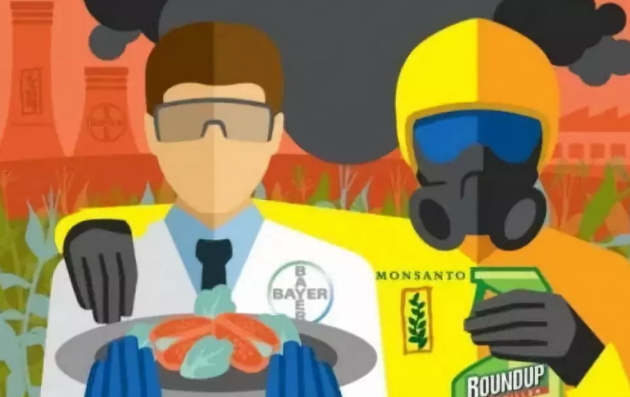
On June 7, 2018, Bayer completed its $63 billion acquisition of Monsanto, retiring the 117-year-old Monsanto brand and creating the world's largest seeds and agrochemicals supplier. For overseas buyers of crop protection chemicals, seeds, and agricultural inputs, this merger—alongside ChemChina-Syngenta and DowDuPont—consolidates market power among three giants, potentially affecting pricing, product choice, and licensing terms in key agricultural markets.
Deal completion and brand phase-out
Bayer received final regulatory approvals from U.S. and European authorities on June 7, 2018, allowing the $63 billion acquisition to close. Bayer stated that the Monsanto corporate name would be discontinued, though existing product brands such as Roundup will be retained under Bayer's portfolio. The transaction is the largest cross-border acquisition by a German company in two decades.
Market share and competitive concerns
Morgan Stanley estimated the combined entity would control approximately 28% of the global agrochemical market, 36% of the U.S. corn seed market, and 28% of the U.S. soybean seed market. To address antitrust concerns, Bayer agreed to sell about $9 billion in assets to BASF, including its global field crop seeds business, vegetable seeds, and certain herbicide lines. This divestiture is the largest ever required in a U.S. merger enforcement case.
What buyers should watch
Farmers and agricultural buyers worry that consolidation will reduce competition and raise input costs. The Global Farmers Alliance president Roger Johnson noted that three companies now dominate seed and chemical supply, increasing costs and limiting choices. However, Bayer's crop science head Liam Condon assured that customers would see no immediate changes post-closing, and that the company values business continuity. Independent seed firms also face risks if large developers tighten licensing policies.
China sourcing context
The global agrochemical landscape now features three major blocs: Bayer-Monsanto (40% global seed share), DowDuPont (30%), and ChemChina-Syngenta (10%). ChemChina's $43 billion acquisition of Syngenta in 2017 gave it access to advanced seed technology and the large China market, where Syngenta previously held only 3-4% share. This restructuring may influence supply chains for crop protection chemicals and seeds sourced from China and other regions.
Regulatory and legal signals
Monsanto faced ongoing litigation over glyphosate, the active ingredient in Roundup, which the World Health Organization classified as possibly carcinogenic—a finding contested by the U.S. EPA. Bayer CEO Werner Baumann acknowledged the controversies and pledged to engage with critics. The merger's regulatory conditions, including asset sales to BASF, aim to preserve competition, but buyers should monitor how these structural changes affect product availability and pricing in their markets.
Source: Read the original report | Published: June 15, 2018