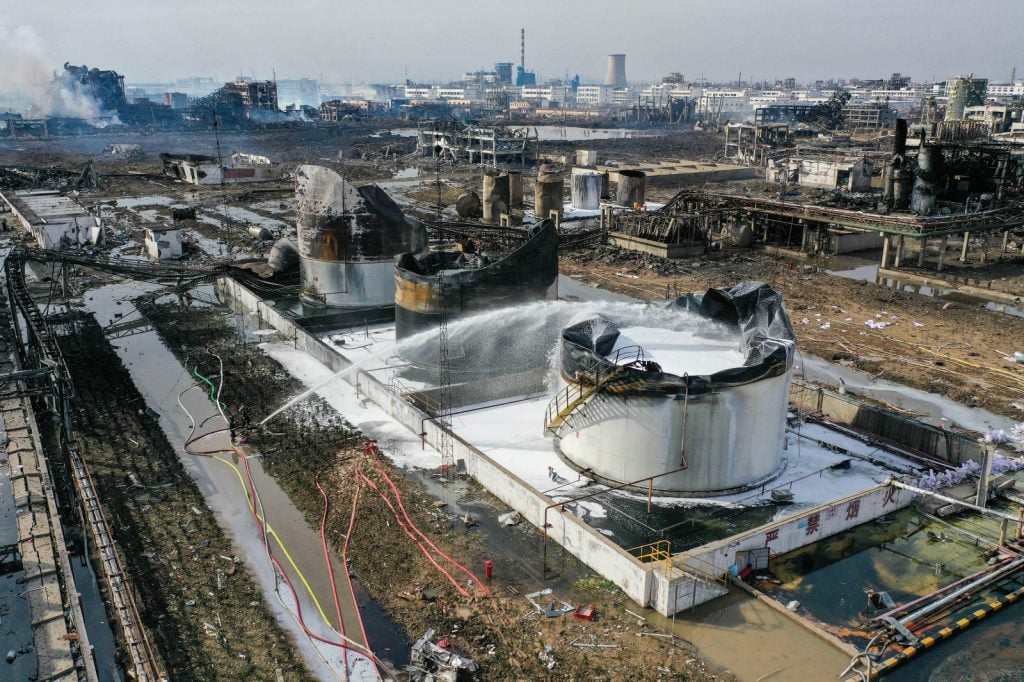
A devastating explosion on March 21 at the Tianjiayi Chemical plant in Xiangshui county, Jiangsu province, has killed 78 people and injured 566, reigniting global concerns over safety standards in China's chemical industry, which accounts for 40% of worldwide chemical sales. For overseas buyers sourcing from China, this tragedy underscores persistent regulatory gaps and the need for rigorous supplier audits.
Incident overview
The blast occurred at a plant in the Chenjiagang industrial park, operated by Tianjiayi Chemical Company. By March 25, 78 fatalities were confirmed, with 566 individuals receiving hospital treatment. Officials from the company have been detained. The cause remains under investigation, but media reports suggest the disaster was preventable, echoing lessons from the 2015 Tianjin warehouse explosion that killed 173 people.
Long-standing safety warnings ignored
Chenjiagang industrial park had a history of incidents: a 2007 explosion at Lianhua Technology killed eight, and a 2010 chlorine leak hospitalized dozens. Local residents repeatedly complained about the park's proximity to homes—three elementary schools and two kindergartens lie within two kilometers of the Tianjiayi plant. The State Administration of Work Safety had flagged insufficient risk analysis and corrective measures at the plant.
Regulatory failures and fines
Production licenses for the Tianjiayi plant expired in 2016 and were not renewed. Between 2016 and 2018, the company was fined six times for waste gas and solid waste violations. In February 2018, safety authorities identified 13 hazards at the site. The plant was shut down for seven months over environmental concerns in June 2018 but reopened early this year. A Caixin analysis suggests the blast likely originated in a hazardous chemical waste storehouse.
Government response and industry checks
President Xi Jinping issued instructions for investigation and relief. The State Council Work Safety Commission urged improved safety standards. By March 24, at least 16 provinces had launched chemical safety inspections. The Ministry of Emergency Management, formed in March 2018, has greater authority but failed to prevent this explosion, highlighting limitations of China's campaign-style enforcement.
Environmental aftermath
Rivers near the blast site showed elevated pollution levels: dichloroethane and methylene chloride in the Xinfeng River were 2.8 and 8.4 times normal, respectively. Environment Minister Li Ganjie called for minimizing environmental impact. Dams have been erected to prevent pollution from reaching the Guan River, but long-term effects remain uncertain.
What buyers should watch
Overseas importers and distributors should reassess supply-chain risks from Chinese chemical producers, particularly those in industrial parks with lax safety records. Conduct independent audits of suppliers' safety compliance, license validity, and waste management practices. The Xiangshui tragedy may trigger stricter enforcement and temporary plant closures, potentially affecting supply of downstream chemicals, solvents, and intermediates.
Source: Read the original report | Published: March 26, 2019