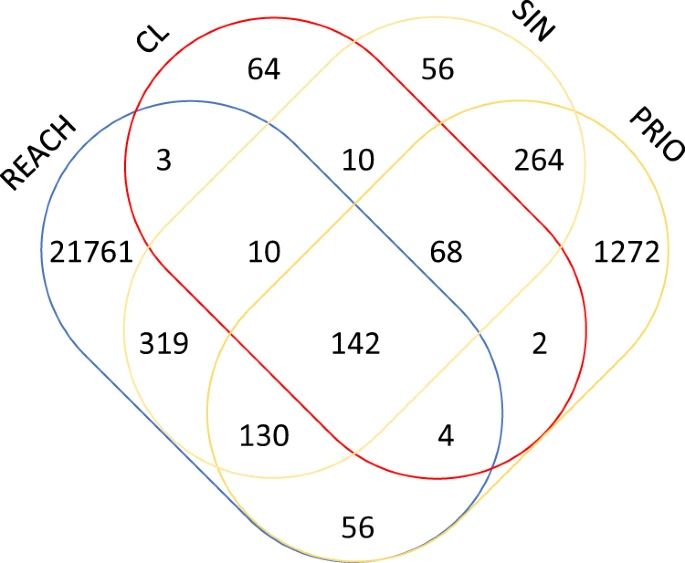
A new study reveals that the European Union's regulation of substances of very high concern (SVHCs) under REACH Authorization is significantly influenced by economic factors, potentially undermining hazard reduction goals. For overseas chemical buyers, this means that many hazardous chemicals still in production or import within the European Economic Area (EEA) are less likely to be listed, while already phased-out substances face stricter controls, distorting the regulatory landscape and supply-chain risks.
Study findings on SVHC listing bias
Researchers analyzed the probability of a substance being added to the REACH Candidate List, the first step toward authorization. They found that the strongest predictor of listing is whether a chemical is currently produced or imported in the EEA. Regulators are less likely to list substances with active EEA production or import, suggesting a bias toward listing chemicals of secondary importance. This pattern implies that hazard reductions from SVHC listing are smaller than anticipated. Many listed chemicals had already ceased production or import before listing, or were never produced or imported in the EEA at all, meaning the regulation primarily targets substances already being phased out by market forces.
REACH Authorization process overview
Under REACH, SVHCs are first placed on the Candidate List, then prioritized for the Authorization List. Substances on the Authorization List cannot be placed on the market after a defined sunset date unless the European Commission grants an authorization. As of February 2020, 303 substances were on the Candidate List, but only 86 had reached the Authorization List.
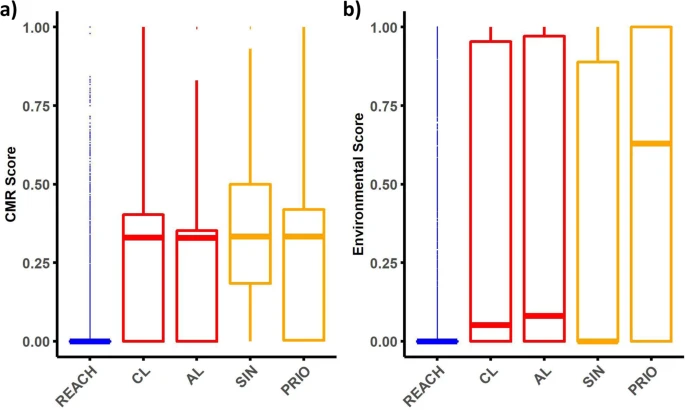
The European Chemical Agency (ECHA) had earlier predicted that 1,500 substances should be addressed as SVHCs under REACH, highlighting a significant gap between regulatory ambition and actual implementation.
What buyers should watch
Importers and distributors of industrial chemicals into the EU should monitor which substances are actively produced or imported in the EEA, as these are less likely to face near-term SVHC listing. However, chemicals already phased out or not produced in the region may face faster regulatory action, potentially creating supply disruptions if they are still used in imported articles. Buyers should also track the Candidate List updates and Authorization List recommendations, as these directly impact the availability of key raw materials for coatings, polymers, and specialty chemicals.
Compliance and logistics signals
The study underscores that REACH enforcement may not fully align with hazard-based priorities. Companies should conduct due diligence on their supply chains to identify SVHCs that are currently unlisted but have high hazard profiles, as future regulatory shifts could catch them off guard. Logistics providers handling dangerous goods should also prepare for potential last-minute authorization requirements or sunset dates that could affect shipping volumes and compliance costs.
China sourcing context
For Chinese manufacturers and exporters supplying chemicals to the EU, the findings suggest that regulatory risk is not purely hazard-driven. Chemicals with high production volumes in China but low EEA production may face faster SVHC listing, while those with significant EEA production may enjoy a longer regulatory grace period. This dynamic should inform sourcing strategies and substitution planning.
Source: Read the original report | Published: November 05, 2022