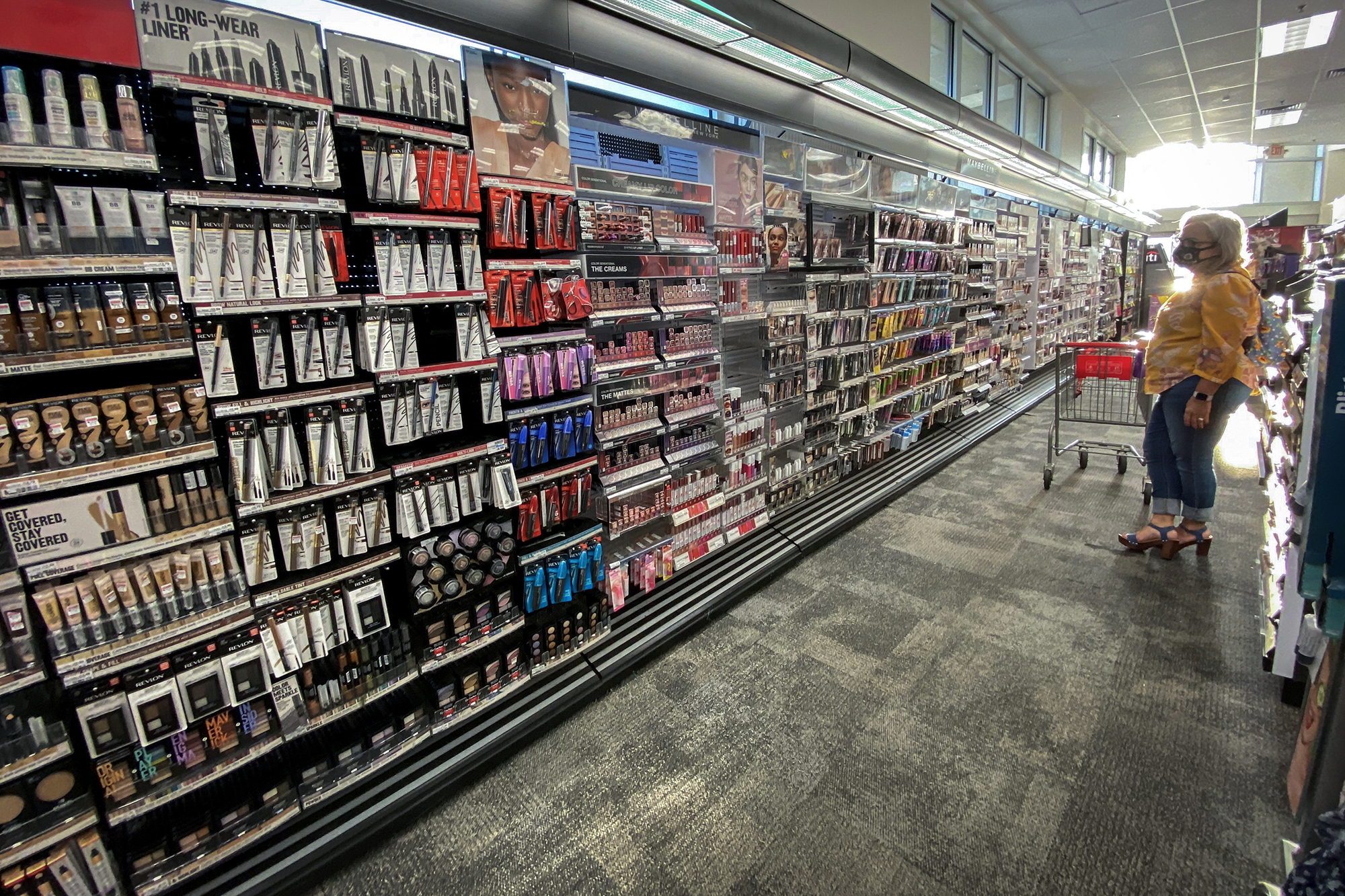
California has enacted a new law banning 26 potentially toxic ingredients from cosmetics and personal care products, set to take effect on January 1, 2027. For overseas chemical suppliers and formulators, this signals a major shift in US regulatory standards, as California's market size often forces nationwide reformulations, aligning the US more closely with the European Union's stricter chemical bans.
Scope of the ban
The law prohibits 26 ingredients, including vinyl acetate (found in nail polishes), anthraquinone (used in hair dyes), and lilial (a lily-scented fragrance aldehyde). These substances are linked to increased risks of cancer, birth defects, reproductive harm, and burns, according to the European Chemicals Agency. Five of the 26 are already on California's Proposition 65 list of carcinogens or reproductive toxicants.
Timeline and industry impact
Manufacturers have until January 1, 2027, to remove these ingredients from products sold in California. Industry experts expect companies to reformulate for the entire US market rather than create separate California-only versions. Scott Faber of the Environmental Working Group noted that "nobody in personal care is going to reformulate for California and not the rest of the country."
Precedent and regulatory trend
This is California's second cosmetic chemical ban, following a 2020 law prohibiting 24 ingredients (including mercury and formaldehyde) that takes effect January 1, 2025. Maryland has already followed California's lead on that earlier ban. The state also recently banned four food additives already prohibited in the EU, reinforcing its role as a US regulatory pioneer.
What buyers should watch
Global retail sales of fragrances, makeup, hair, and skin care exceeded $400 billion in 2022. Suppliers of alternative ingredients—especially EU-approved substitutes for lilial, vinyl acetate, and anthraquinone—may see increased demand. The Fragrance Creators Association opposed the ban on lilial, arguing it is safe at industry-standard levels, but lawmakers cited EU hazard conclusions. Importers should monitor reformulation timelines and potential supply shifts toward EU-compliant raw materials.
Compliance and logistics signals
The US FDA gained new authority under the 2022 Modernization of Cosmetics Regulation Act to access safety records and mandate recalls. Combined with California's ban, this creates a dual compliance burden for overseas manufacturers exporting to the US. Over 80 countries already have stricter cosmetic safety rules than the US, according to a 2021 EWG analysis, suggesting global harmonization pressures will intensify.
Source: Read the original report | Published: October 10, 2023