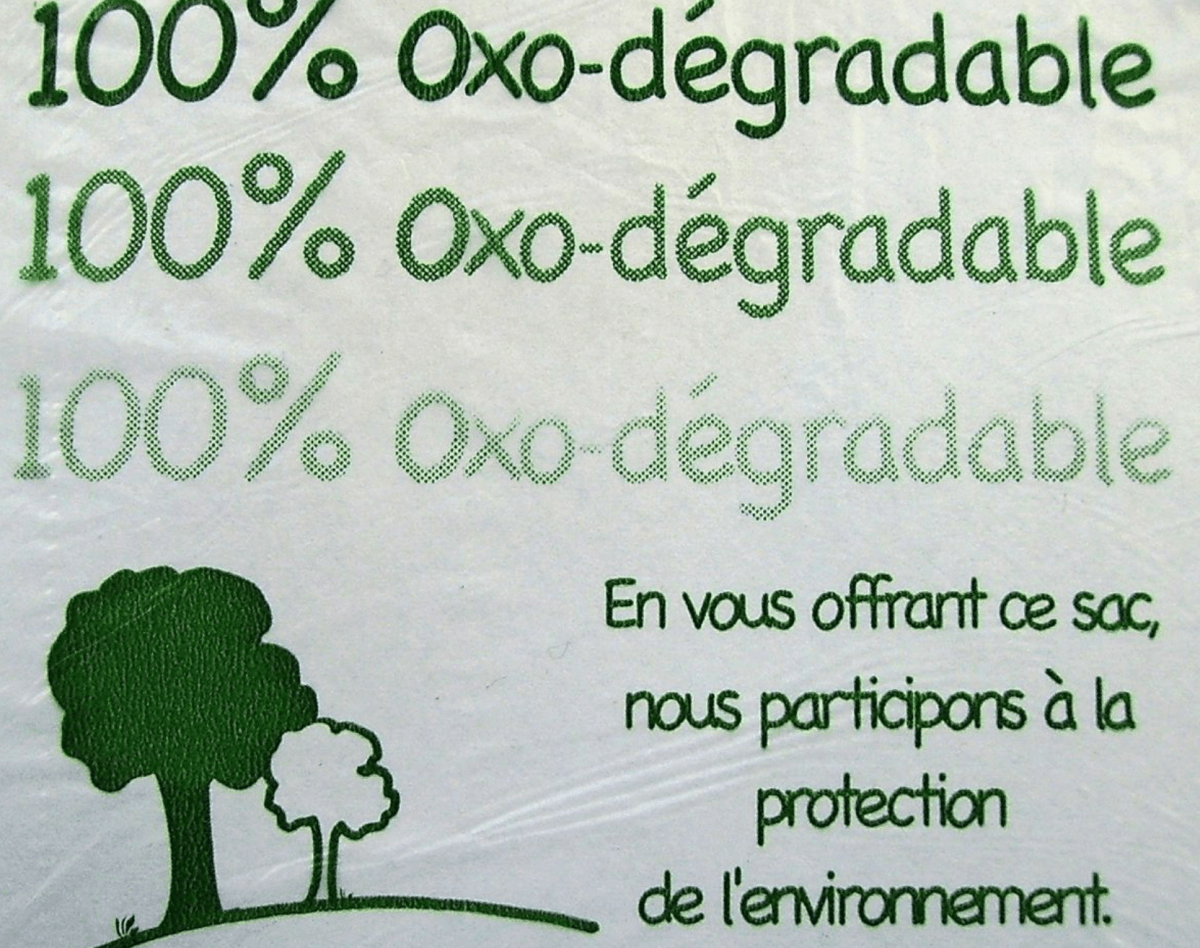
The European Union's General Court has confirmed the legality of the 2019 ban on oxo-degradable plastics, a decision that directly impacts suppliers of plastic additives and finished products. For overseas chemical buyers, this ruling solidifies a regulatory barrier that restricts the sale of plastics containing pro-oxidant additives in the EU market, with implications for supply-chain compliance and product formulation.
Regulatory background
The ban originates from EU Directive 2019/904, adopted on June 5, 2019, which targets single-use plastics and specifically prohibits the placing on the market of products made from oxo-degradable plastic. These plastics incorporate additives that, through oxidation, fragment into microplastics or undergo chemical decomposition, raising environmental concerns.
Court ruling and scientific basis
On January 31, 2024, the General Court of the European Union (Case T‑745/20, Symphony Environmental Technologies) ruled that the EU legislature did not commit a manifest error in banning these products. The court cited scientific evidence available at the time of the directive's adoption, showing that oxo-degradable plastics have low or negligible biodegradation in air, landfills, and marine environments.
Recycling and composting challenges
The court highlighted that plastics containing pro-oxidant additives are unsuitable for composting and pose significant recycling difficulties. Current technologies cannot reliably identify or separate such plastics from conventional plastic waste streams, undermining recycling efficiency and contaminating recycled material.
Proportionality and equal treatment
The court found that the ban does not violate the principle of proportionality, as it aligns with the directive's goal of protecting the environment and human health. It also dismissed claims of unequal treatment, ruling that oxo-degradable plastics are not comparable to other plastic types due to their distinct environmental impact.
What buyers should watch
Chemical importers and distributors should verify that their plastic products or additives do not contain pro-oxidant agents intended for oxo-degradable applications, as these are now effectively banned in the EU. Companies supplying plastic additives, masterbatches, or finished plastic goods to European customers must ensure compliance with Directive 2019/904 to avoid market access restrictions. This ruling may also influence regulatory trends in other regions considering similar bans.
Source: Read the original report | Published: January 31, 2024