A former executive of a Chinese chemical manufacturer has been sentenced to 25 years in prison by a US federal court for smuggling fentanyl precursors into the United States, marking the first time a Chinese company has been prosecuted in the US for such activities. This case signals heightened scrutiny of Chinese chemical suppliers in the fentanyl supply chain, which overseas buyers in the chemical industry should monitor for potential compliance and sourcing risks.
Case details
On September 19, the US District Court for the Southern District of New York sentenced Qingzhou Wang, 37, a former executive of Wuhan-based chemical manufacturer Hubei Amarvel Biotech, to 25 years in prison. Wang was convicted in February alongside fellow executive Yiyi Chen, 33, on charges of smuggling fentanyl precursors and money laundering. Chen received a 15-year sentence on August 22.
Supply-chain impact
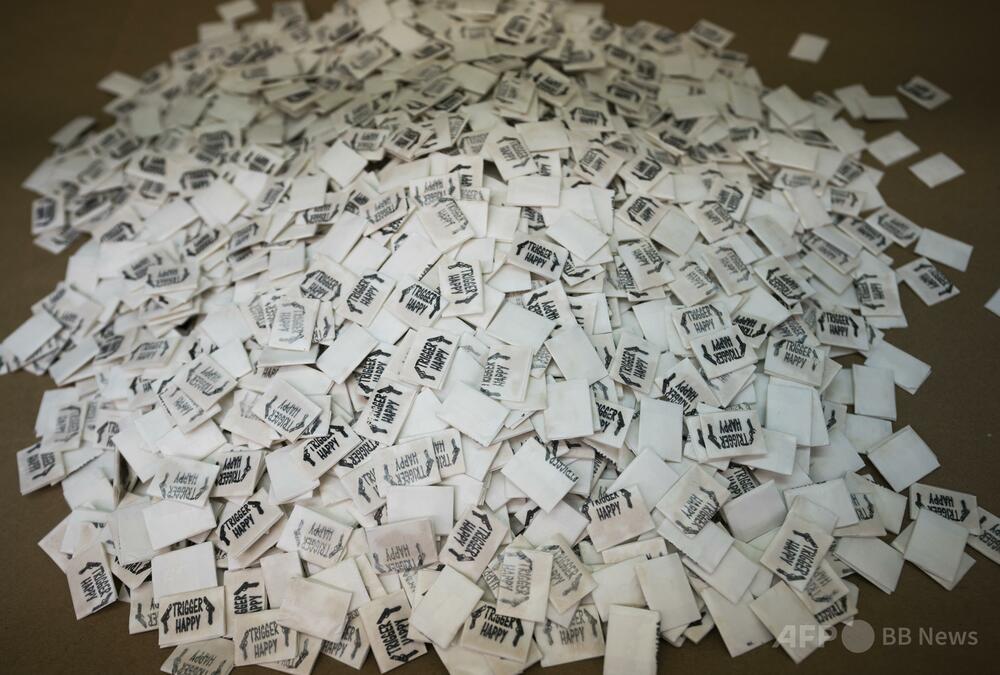
According to the US Drug Enforcement Administration (DEA), the executives turned the Chinese chemical manufacturer into a supply channel for toxic substances, smuggling hundreds of kilograms of fentanyl precursors into the US disguised as everyday goods and profiting through cryptocurrency. This case highlights the vulnerability of chemical supply chains to diversion for illicit purposes, potentially affecting legitimate trade flows.
Compliance and logistics signals
The US Department of Justice indicted Wang and Chen in June 2023 as part of a broader case involving eight Chinese nationals and four Chinese companies. This is the first time Chinese companies have been prosecuted in the US for smuggling fentanyl precursors directly into the country, rather than through Mexico. The case signals increased US enforcement focus on Chinese chemical suppliers, which may lead to stricter customs scrutiny and regulatory compliance requirements for chemical imports.
China sourcing context
While most fentanyl found in the US is produced in Mexico, US authorities are now targeting Chinese-based precursor suppliers. In response to the June 2023 indictments, China's foreign ministry protested, calling the US actions "completely illegal" and a "serious violation of the basic human rights of Chinese citizens and companies." This diplomatic tension may affect bilateral trade relations and create uncertainty for chemical sourcing from China.
What buyers should watch
Chemical importers and distributors should closely monitor US customs enforcement trends and ensure their supply chains are transparent and compliant with international drug precursor regulations. Companies sourcing from Chinese chemical manufacturers should conduct enhanced due diligence to avoid inadvertent involvement in illicit activities, which could lead to legal and reputational risks.
Source: Read the original report | Published: September 20, 2024