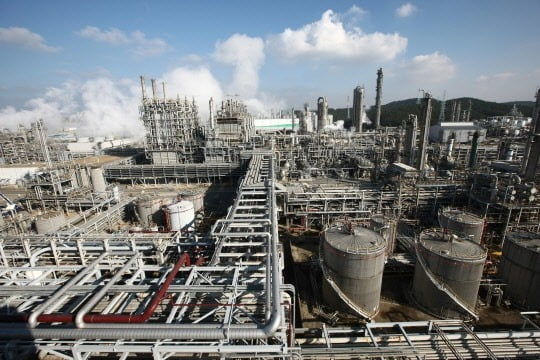
The United States has signaled potential sanctions on Russian crude oil exports, a move that could disrupt low-cost chemical production in China and India. For overseas buyers, this may lead to higher prices for Chinese commodity chemicals but improve the competitive landscape for Korean and other non-subsidized producers. The development comes as global demand remains weak, tempering expectations of a full industry recovery.
Sanctions timeline and scope
US President Donald Trump has indicated that if no agreement is reached by February 8 local time, he will proceed with sanctions against Russia. The European Union is expected to join the measures. In January, the EU approved its 18th sanctions package targeting Russian energy revenues, including stricter price caps on crude oil and a ban on importing petroleum products refined from Russian crude in third countries, after a six-month grace period.
Impact on Chinese chemical output
China imported Russian crude worth $62.6 billion (87 trillion won) in 2024, making it the world's largest buyer of Russian oil. Chinese chemical producers have used this cheap feedstock to run naphtha crackers and other facilities, mass-producing commodity chemicals. With domestic demand sluggish, these producers have been exporting surplus volumes at low prices, contributing to global oversupply.
What buyers should watch
If sanctions restrict Russian crude flows, Chinese chemical makers will face higher raw-material costs, likely pushing up export prices for commodity chemicals such as ethylene, propylene, and polyethylene. Importers and distributors should monitor price trends from Chinese suppliers and consider diversifying sources. Korean producers, including Lotte Chemical, may gain a competitive edge as the cost gap narrows.
Compliance and logistics signals
Traders and logistics operators should prepare for potential disruptions in crude and refined-product flows from Russia to China and India. The EU's ban on third-country refined products adds compliance complexity. Companies handling Russian-origin naphtha or derivatives should review supply-chain documentation and consider alternative sourcing to avoid sanctions risks.
China sourcing context
While sanctions could reduce the price advantage of Chinese commodity chemicals, the broader demand environment remains weak. The US leading economic index fell to 98.8 in June, down 0.3 from the previous month, with a first-half decline of 2.8, signaling slowing economic growth. An industry insider noted that "sanctions on cheap Russian crude would improve the operating environment for Korean chemical companies," but cautioned that a full upturn depends on demand recovery.
Source: Read the original report | Published: October 27, 2024