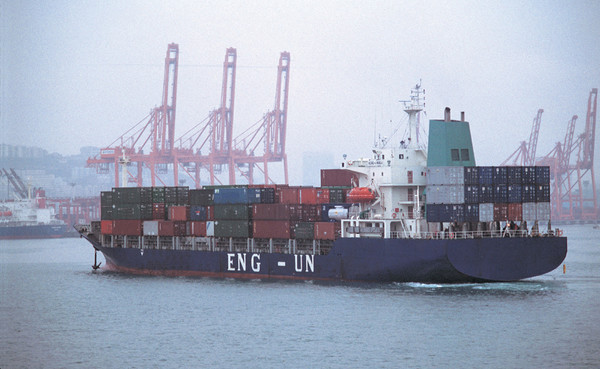
China has suspended exports of diammonium phosphate (DAP) since early this month, triggering a supply crisis for South Korean chemical fertilizer manufacturers that rely almost entirely on imports. The move, expected to last at least until March 2025, threatens spring fertilizer production and leaves buyers scrambling for alternatives amid limited sourcing options.
Export suspension and timeline
According to international fertilizer intelligence service Fertecon, China halted customs, immigration, and quarantine (CIQ) procedures for phosphate exports starting December 1, with the suspension expected to continue through at least March 2025. This follows similar DAP export restrictions imposed in November 2022 and during the 2021 urea crisis. Industry sources suggest Beijing's primary motive is to stabilize domestic fertilizer prices during the peak seasonal demand period from December through spring. Some analysts also point to rising sulfur prices—up from $55 per ton in June to $74 per ton on December 12—which have pushed up Chinese DAP production costs and reduced export competitiveness.
Impact on South Korean fertilizer production
South Korean manufacturers typically purchase raw materials from October to produce and stockpile NPK (nitrogen, phosphorus, potassium) fertilizers for spring farm sales. With DAP imports blocked, production plans are now in disarray. One industry insider noted that while the government believes companies hold sufficient inventory through March, that estimate likely includes contracted shipments that may never arrive. "Many Chinese DAP suppliers have had their cargo inspections canceled or are still negotiating customs clearance, but Beijing has not provided clear guidance, making everything unpredictable," the source said. Another manufacturer revealed they are considering shifting to NK (nitrogen, potassium) fertilizer production first, which is sold after June, while waiting for the DAP situation to resolve.
Limited alternatives and sourcing challenges
South Korean buyers face severe constraints in diversifying import sources. Vietnam is the only other geographically and cost-accessible supplier, but its DAP has a nitrogen-phosphorus concentration of only 56%, compared with 64% for Chinese product. This makes Vietnamese DAP unsuitable for producing high-concentration NPK fertilizers required by local farmers. "Even if we pay a premium for non-Chinese DAP, we cannot meet the quality standards classified as genuine product," one industry executive explained. Domestic production is also not a viable option: establishing the necessary byproduct gypsum treatment facilities is prohibitively expensive, and no local government will approve new plants due to environmental concerns.
What buyers should watch
South Korean buyers should monitor China's CIQ policy announcements closely, as any extension beyond March 2025 would further strain spring fertilizer supplies. The price gap between Chinese and Vietnamese DAP may widen, and premium-priced spot cargoes from other origins could emerge but with quality trade-offs. Companies that locked in forward contracts before the suspension may face force majeure claims from Chinese suppliers.
China sourcing context
China's repeated use of DAP export controls as a domestic price stabilization tool signals a structural shift in its fertilizer trade policy. South Korean buyers, who have limited bargaining power, are increasingly vulnerable to such disruptions. The only domestic producer, Namhae Chemical, may consider selling into the local market if international raw material prices align, but competitive tensions among South Korean manufacturers could complicate coordination.
Source: Read the original report | Published: December 17, 2024