The US fentanyl crisis continues to drive policy shifts, with President Donald Trump imposing tariffs on Chinese goods over alleged failures to curb exports of precursor chemicals used in fentanyl production. For chemical buyers and supply-chain professionals, understanding how these chemicals move from China through Mexico and Canada into the US is critical to navigating trade disruptions, compliance risks, and sourcing alternatives.
The scale of the US fentanyl crisis
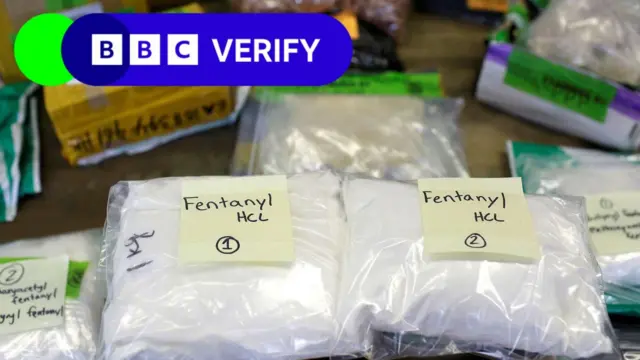
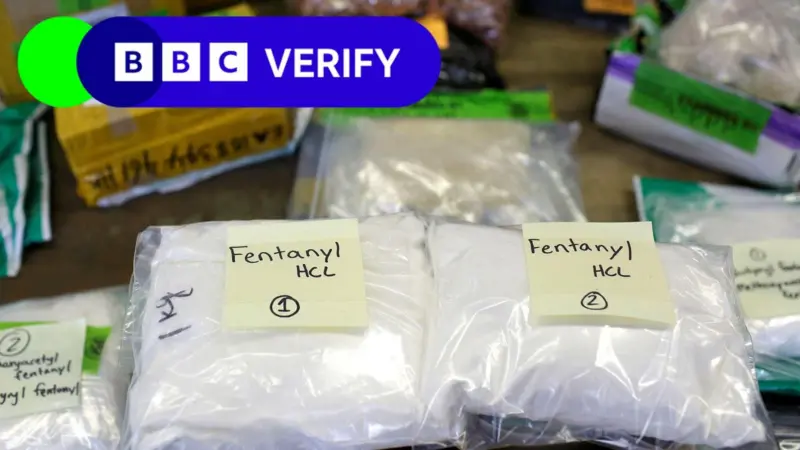
Fentanyl, a synthetic opioid approved for medical use in the 1960s, has become the leading cause of opioid overdose deaths in the United States. According to the US Centers for Disease Control and Prevention (CDC), over 74,000 Americans died in 2023 after consuming drug mixtures containing fentanyl. A dose as small as two milligrams—roughly the size of a pencil tip—can be lethal. The drug is often mixed with other illicit substances, leaving many users unaware of its presence.
China as the primary source of precursor chemicals
China remains the dominant source of precursor chemicals used to manufacture fentanyl. Although Beijing classified fentanyl as a controlled substance in 2019 and added some precursor chemicals to its restricted list, other chemicals with legitimate industrial uses remain unregulated. Traffickers continuously adapt to circumvent controls. US indictments reviewed by BBC Fact Check detail cases where Chinese manufacturers allegedly provided instructions on producing fentanyl from their products via encrypted platforms and cryptocurrency payments.
Mexico as the main transit hub into the US
Nearly all fentanyl entering the US—98%—is intercepted at the southwest border with Mexico, according to US Customs and Border Protection (CBP) data. Since September 2024, US authorities have seized 4,500 pounds (2,040 kg) of fentanyl. Mexican cartels, including the Sinaloa Cartel, play a key role in production and trafficking. They source chemicals from China, process them in Mexican labs, and smuggle the finished product into the US using tactics such as hiding chemicals in legitimate commercial cargo, mislabeling containers, and routing through third countries.
Canada's growing role in fentanyl trafficking
While only about 0.2% of US fentanyl seizures occur at the Canadian border, Canada's financial intelligence unit reported in January 2025 that organized crime groups there are increasingly involved in fentanyl manufacturing, importing precursor chemicals and lab equipment from China. Fentanyl trade flows both ways: in the first ten months of 2024, Canada seized 10.8 pounds (4.9 kg) of fentanyl entering from the US, while US authorities intercepted 32.1 pounds (14.6 kg) from Canada. Ottawa has pledged CAD 1.3 billion (USD 900 million) to combat fentanyl and bolster border security.
India as an emerging source of precursor chemicals
Although China remains the primary source, the US Drug Enforcement Administration (DEA) has identified India as an emerging major source of fentanyl precursor chemicals. In January 2025, US indictments charged two Indian chemical companies with supplying precursor chemicals to the US and Mexico for fentanyl production. This development signals potential shifts in global sourcing patterns that chemical buyers should monitor for compliance and supply-chain implications.
What buyers should watch
Chemical importers and distributors should track evolving US tariffs on Chinese goods, which directly impact trade flows of industrial chemicals. The ongoing scrutiny of precursor chemicals may lead to tighter export controls from China and India, affecting availability and pricing of certain solvents and intermediates. Companies should review their supply chains for exposure to regulated or restricted chemicals, and consider diversifying sourcing to mitigate risks from enforcement actions or trade disputes.
Source: Read the original report | Published: February 05, 2025