
South Korea's petrochemical industry is bracing for a triple blow as a 25% US reciprocal tariff, confirmed for July 1, compounds existing domestic and global economic slowdown and China's oversupply. With exports to the US already down 32.4% year-on-year in the first five months of 2025, overseas buyers should monitor how this tariff reshapes competitive dynamics in the Asian petrochemical supply chain.
Tariff confirmation and timeline
US President Donald Trump has sent formal letters to 14 countries, including South Korea, confirming reciprocal tariff rates initially announced in April. The 25% tariff on South Korean goods is set to take effect on July 1, leaving roughly three weeks for negotiations. South Korean trade authorities have stated they will seek a deal within this window.
Export slump deepens
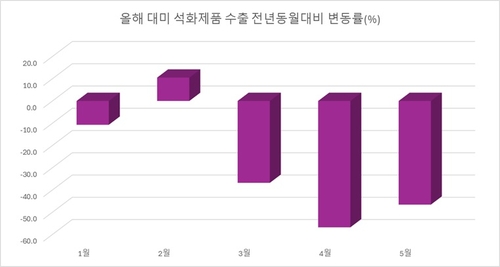
According to the Korea International Trade Association, South Korea exported $1.463 billion worth of petrochemical products to the US from January to May 2025, a 32.4% drop from the same period last year. Exports held relatively steady in January and February but declined sharply from March onward as tariff concerns escalated. Petrochemicals had generated over $2 billion in annual trade surplus with the US for the past three years.
Competitive disadvantage vs rivals
Industry sources note that the 25% tariff places South Korea at a disadvantage compared to other Asian competitors. For example, Saudi Arabia—which is preparing large-scale investments like the Shahin project—faces only a 10% tariff. The gap in tariff rates could shift sourcing patterns for US buyers of petrochemicals, polymers, and intermediates.
Financial strain on major producers
South Korea's top four petrochemical companies are already under financial pressure. LG Chem and Kumho Petrochemical are expected to see declining operating profits, while Lotte Chemical may continue posting losses. Hanwha Solutions' chemical division is being monitored for potential losses. Credit rating downgrades are adding to the financial risks, according to a securities firm analyst.
What buyers should watch
Overseas importers of South Korean petrochemicals should track the outcome of US-South Korea tariff negotiations over the next three weeks. If the 25% rate holds, South Korean suppliers may lose price competitiveness against rivals from Saudi Arabia and other Asian countries with lower tariffs. This could prompt US buyers to diversify sourcing, particularly for ethylene derivatives, polyolefins, and synthetic resins.
Source: Read the original report | Published: June 08, 2025