Japan is set to update its key GHS standards JIS Z7252 and JIS Z7253 in 2025, adopting UN GHS Revision 9. These changes will affect classification of explosives, flammable gases, and aerosols, as well as SDS and label requirements. Overseas chemical exporters to Japan should prepare for updated hazard communication obligations.
Key regulatory changes
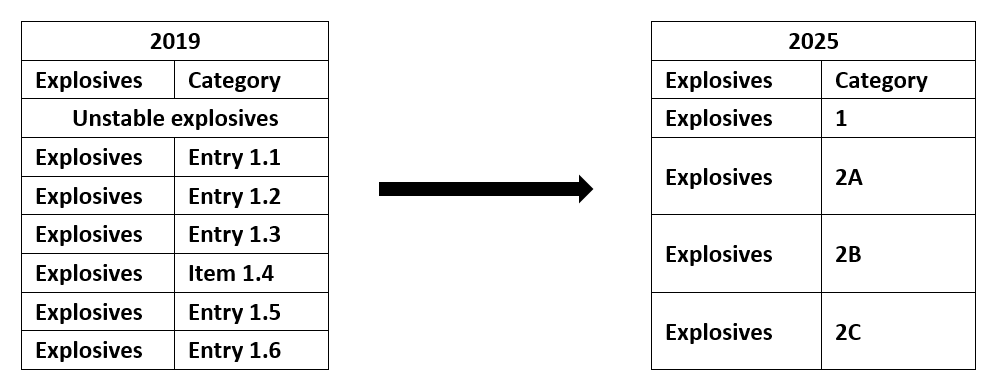
The revised JIS Z7252:2025 will adopt UN GHS Revision 9 categories. Explosives classification will shift from seven categories to two main categories with four subcategories: Category 1, 2A, 2B, and 2C. Flammable gases will gain a new category 1B. A new classification for pressurized chemicals is added under the aerosol category, defined as liquids or solids pressurized at 20°C with gas to ≥200 kPa gauge pressure in receptacles other than aerosol dispensers.
Impact on SDS and labels
JIS Z7253:2025 will adopt the UN GHS precautionary statement approach, allowing more flexible application—statements can be omitted where not applicable or combined. Appendix D on SDS preparation will be revised to reflect classification updates and any amendments to the Industrial Safety and Health Act. Companies must ensure their SDS and labels comply with the new standards.
What buyers should watch
Importers and distributors of chemicals into Japan should review their product classifications against the new explosive, flammable gas, and aerosol categories. Early preparation is advised, especially for explosives, as the changes are significant. Monitor updates from JISC and the Industrial Safety and Health Act for further SDS requirements.
China sourcing context
While Japan's GHS revision is independent of China's GHS system, many chemical suppliers in China export to Japan. Chinese manufacturers and trading companies should align their SDS and labeling with Japan's 2025 standards to maintain market access. The adoption of UN GHS Revision 9 may also influence future updates in other Asian markets.
Source: Read the original report | Published: July 22, 2025