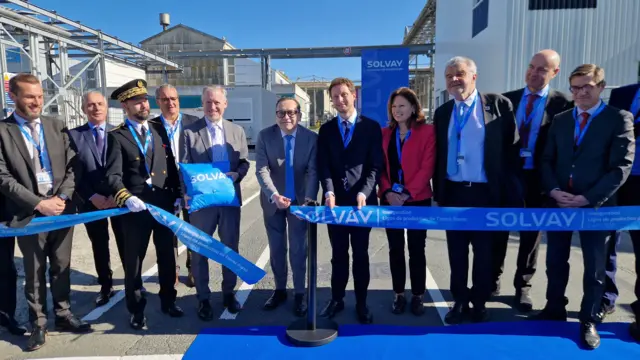
Europe is accelerating efforts to reduce its reliance on Chinese rare earth imports, with Belgian chemical giant Solvay expanding its La Rochelle processing plant in western France. As global demand surges for these 17 critical metals used in EVs, wind turbines, and defense systems, the facility—one of only two in Europe—aims to supply 30% of the region's needs by 2030 through recycling and new mining sources. This shift signals significant opportunities and risks for overseas chemical buyers navigating supply-chain diversification.
Supply-chain impact
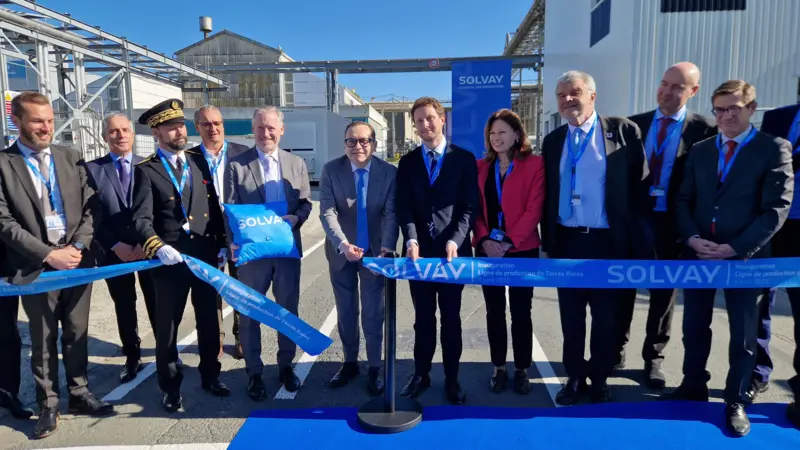
Solvay's La Rochelle plant, operational for nearly 80 years, is the only facility outside China capable of processing all 17 rare earth metals. The expansion focuses on recycling rare earths from end-of-life motors and electronics, potentially covering 30% of European demand by 2030. CEO Philippe Kehren emphasizes that the plant's future depends on customer commitments to purchase at agreed prices, highlighting a shift toward shorter, more diversified supply chains.
Regulatory drivers
The EU's Critical Raw Materials Act, enacted last year, mandates reducing import dependence by 2030 across mining, processing, and recycling. French President Macron's strategic minerals advisor, Benjamin Gallezot, warns that reliance on a single source is dangerous due to geopolitical or natural disaster risks. The European Parliament has urged stronger action against China's export controls, which it deems coercive, while EU trade deals now prioritize raw material access.
What buyers should watch
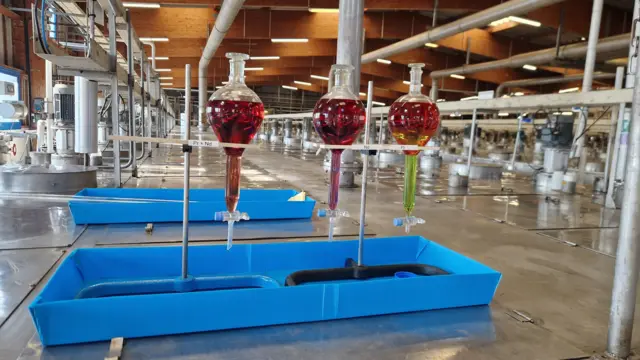
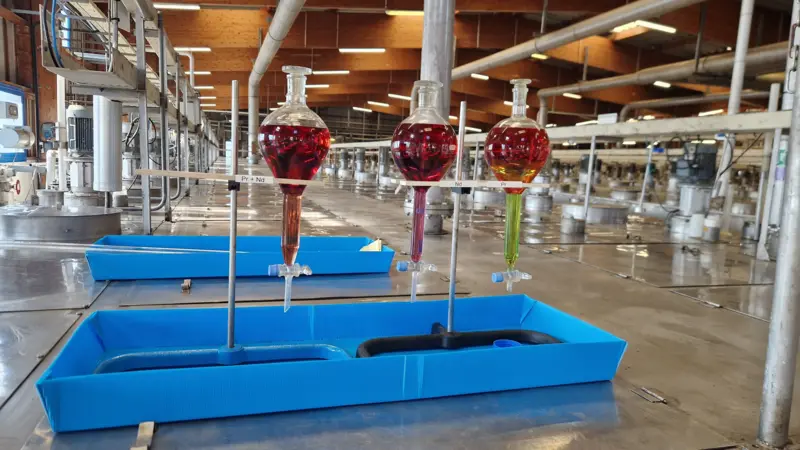
Overseas importers and formulators should monitor Solvay's pricing commitments and the EU's financial incentives for sourcing rare earths from Europe. The plant's 1,500-step separation process, involving complex chemical purification, is a key competitive advantage. Buyers in automotive, electronics, and defense sectors may face higher costs but gain supply security. New mining projects in Norway, Sweden, Brazil, Canada, and Australia are expected to take about a decade to come online.
China sourcing context
China controls roughly 70% of global rare earth mining and 90% of refining, a dominance built through years of state support. Chinese Foreign Minister Wang Yi has defended export controls on dual-use goods as a sovereign right. Solvay, which also operates in China, acknowledges that responsible processing costs more, requiring buyers to accept higher prices. The EU's legal targets and potential financial incentives aim to level the playing field for Western producers.
Source: Read the original report | Published: August 11, 2025