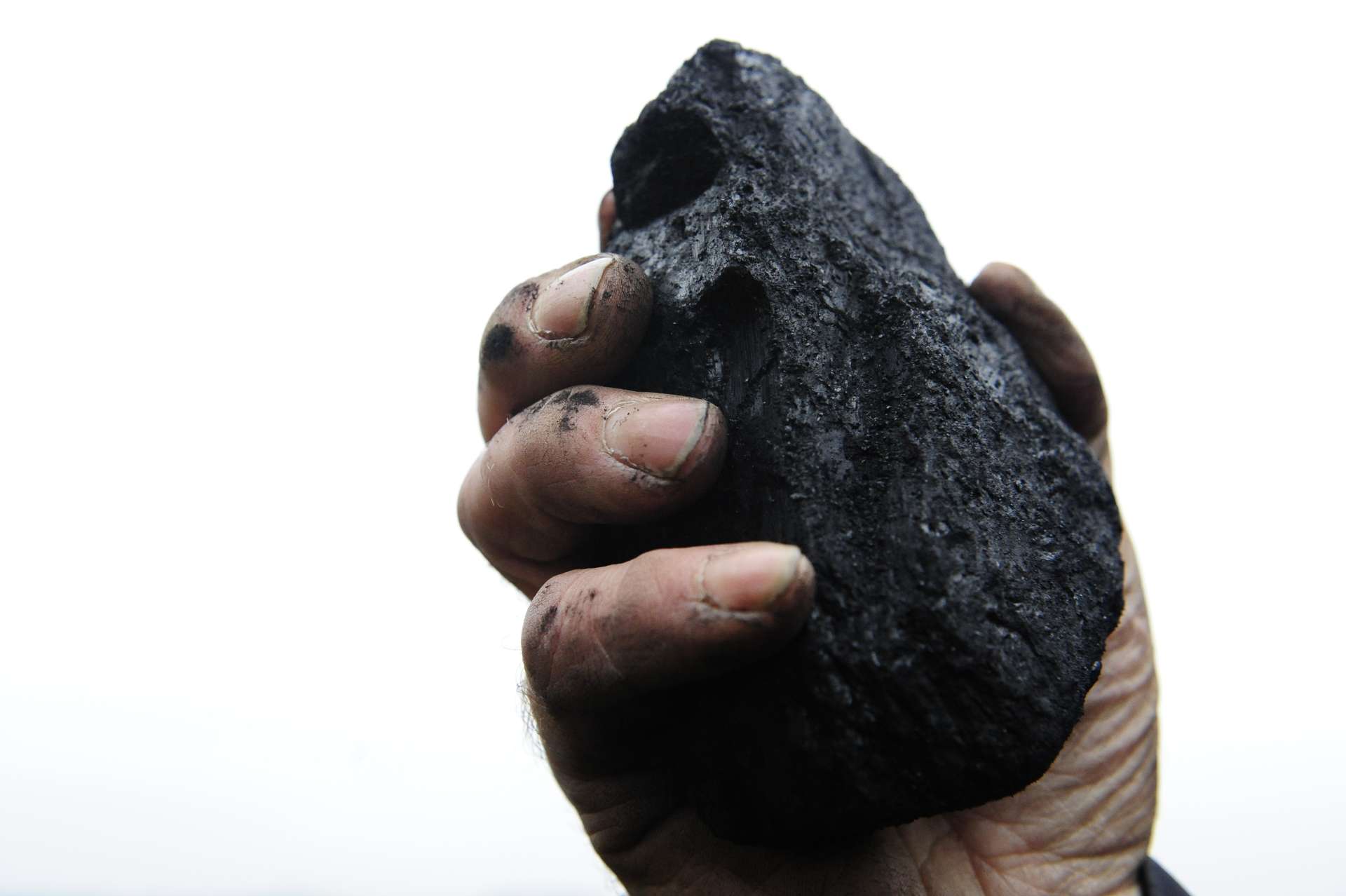
China's coal conversion industry is expanding at an unprecedented pace, with capacity expected to double within five years, driven by cheap domestic coal, policy support, and energy security concerns. This rapid growth is reshaping the global chemical supply chain, particularly for olefins, synthetic natural gas, and liquid fuels, offering both opportunities and risks for overseas buyers of Chinese chemical products.
Expansion drivers: Cheap coal and policy tailwinds
According to the China Petroleum and Chemical Planning Institute, the industry converted 276 million tonnes of coal into chemicals, oil, and gas last year—equivalent to Europe's annual coal consumption. If all existing and planned projects are realized, capacity will double in five years, focusing on synthetic natural gas and liquid fuels.
Lauri Myllyvirta, co-founder of the Centre for Research on Energy and Clean Air, noted that this expansion serves two strategic goals: reducing dependence on oil and LNG imports to mitigate risks of maritime blockade, and channeling investment into underdeveloped regions like Xinjiang. State-owned enterprises benefit from policy support and easier financing, lowering capital costs and making investments more viable.
Cost advantage: Cheap coal vs. oil-based routes
The economics of coal-to-chemicals have improved significantly as domestic coal prices hit a four-year low, while oil prices remain above $70 per barrel. Coal-based olefins generated a profit of 800-900 yuan ($112-126) per tonne in late July, compared to a loss of about 200 yuan ($28) per tonne for naphtha- or propane-based olefins.
Coal-to-gas is the fastest-growing segment. Current installed capacity is four times that of the past decade, with annual capacity set to reach 19.5 billion cubic meters—equivalent to one-fifth of China's LNG imports last year. The cost of coal-based gas is less than 2 yuan ($0.28) per cubic meter, nearly one-third cheaper than imported LNG (excluding regasification and transport).
What buyers should watch: Supply growth and carbon risks
Last year, coal conversion produced 38 million tonnes of oil-equivalent products, only 6% of China's 685 million tonnes of imported oil and gas. However, the model faces headwinds: massive capital investment, high carbon emissions, and potential project cancellations if oil prices fall.
Carbon emissions are a major concern. Coal-to-gas releases nearly three times the CO2 of burning natural gas, and analysts say these emissions have already contributed to China missing its 2025 carbon intensity target. If Beijing prioritizes climate goals over energy security, the industry could face significant regulatory tightening.
China sourcing context
Overseas buyers of Chinese chemicals—especially olefins, methanol, and synthetic gas—should monitor capacity additions in northwestern China. While cheap coal-based products offer cost advantages, supply reliability may be affected by policy shifts on carbon emissions and project economics. The industry's rapid expansion could also lead to overcapacity and price volatility in global markets.
Source: Read the original report | Published: September 09, 2025