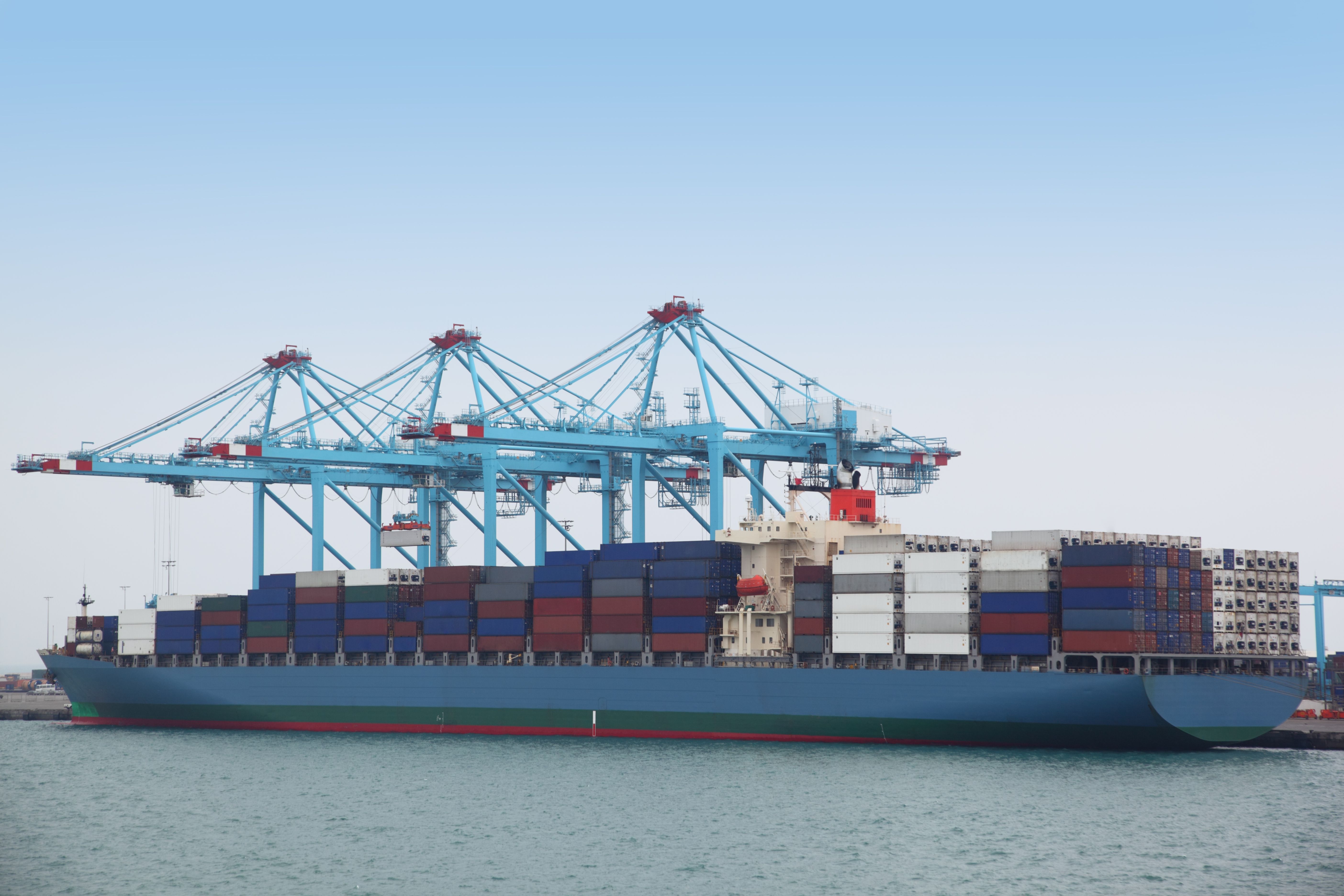
The European Union approved the export of nearly 122,000 tonnes of pesticides banned within its own borders in 2024, a 50% increase from 81,000 tonnes in 2018, according to an exclusive investigation by Public Eye and Unearthed. This surge, driven by the EU banning over 100 new pesticides since 2018 while continuing to allow their export, raises serious compliance and sourcing concerns for overseas buyers of agricultural chemicals, particularly in low- and middle-income countries where health and environmental risks are higher.
Export volume and trend
EU member states approved the export of nearly 122,000 tonnes of pesticides in 2024 that are prohibited for use within the EU due to unacceptable health or environmental risks. This represents a 50% increase compared to the roughly 81,000 tonnes reported in 2018. Adjusted for Brexit—the UK was the top exporter in 2018, responsible for 40% of volumes—EU exports have more than doubled in six years.
Regulatory context and data source
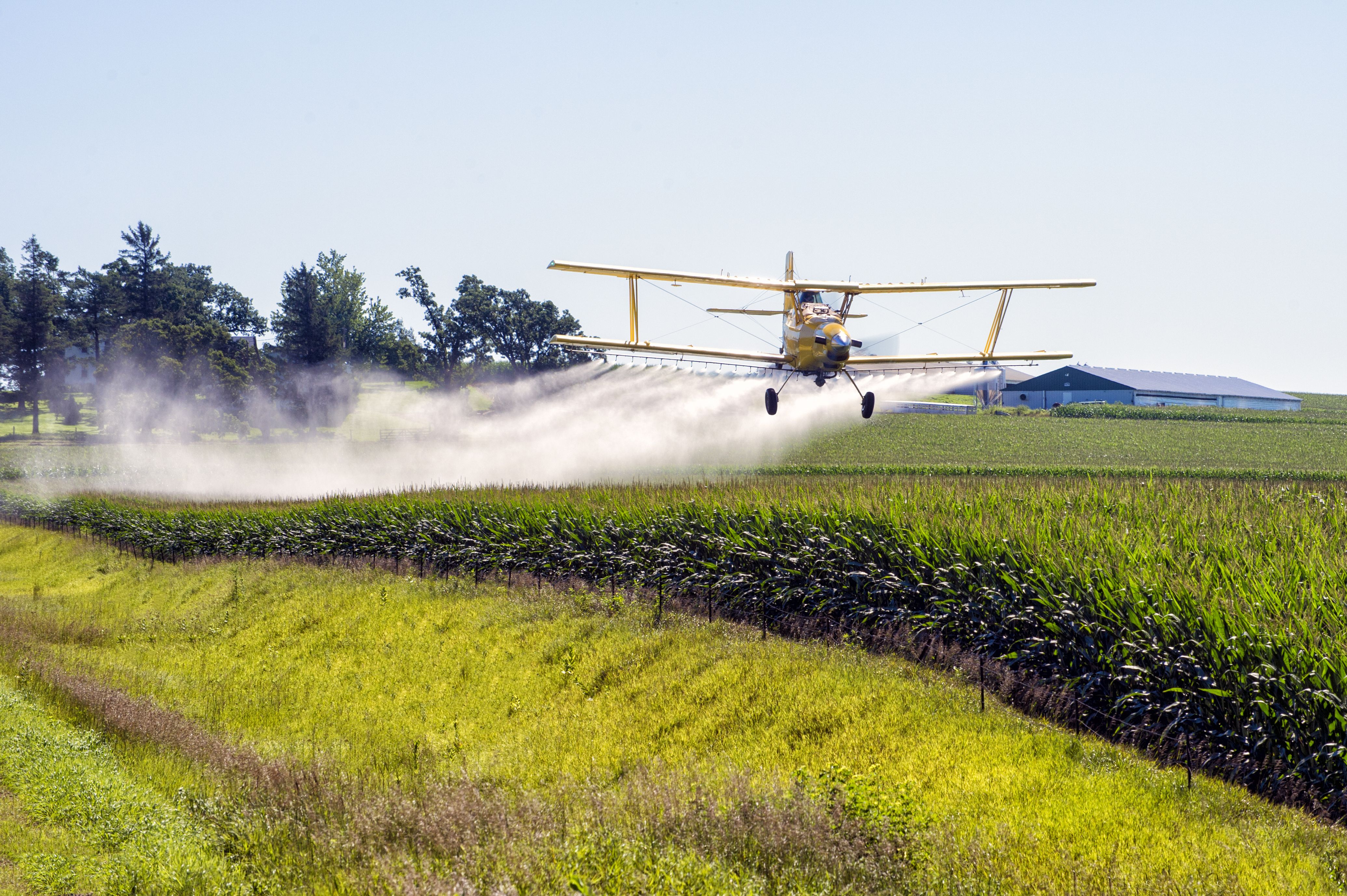
The findings are based on analysis of hundreds of export notifications obtained from the European Chemicals Agency (ECHA) and national authorities under right-to-information laws. These notifications are mandatory documents that companies must submit when exporting hazardous chemicals banned in the EU to third countries. While the quantities are forecast data provided by manufacturers at the start of the year and may differ from actual volumes, they represent the most comprehensive information available.
Drivers of the increase
The dramatic growth in EU exports is primarily explained by the EU banning approximately 100 new pesticides since 2018 and subsequently adding them to the list of substances subject to hazardous chemical export legislation. This has caused a mechanical increase in reported export quantities as the EU bans these substances from its own market but continues to export them to third countries. Many of these highly toxic pesticides were likely already exported before but did not appear in data because their use was still authorized.
What buyers should watch
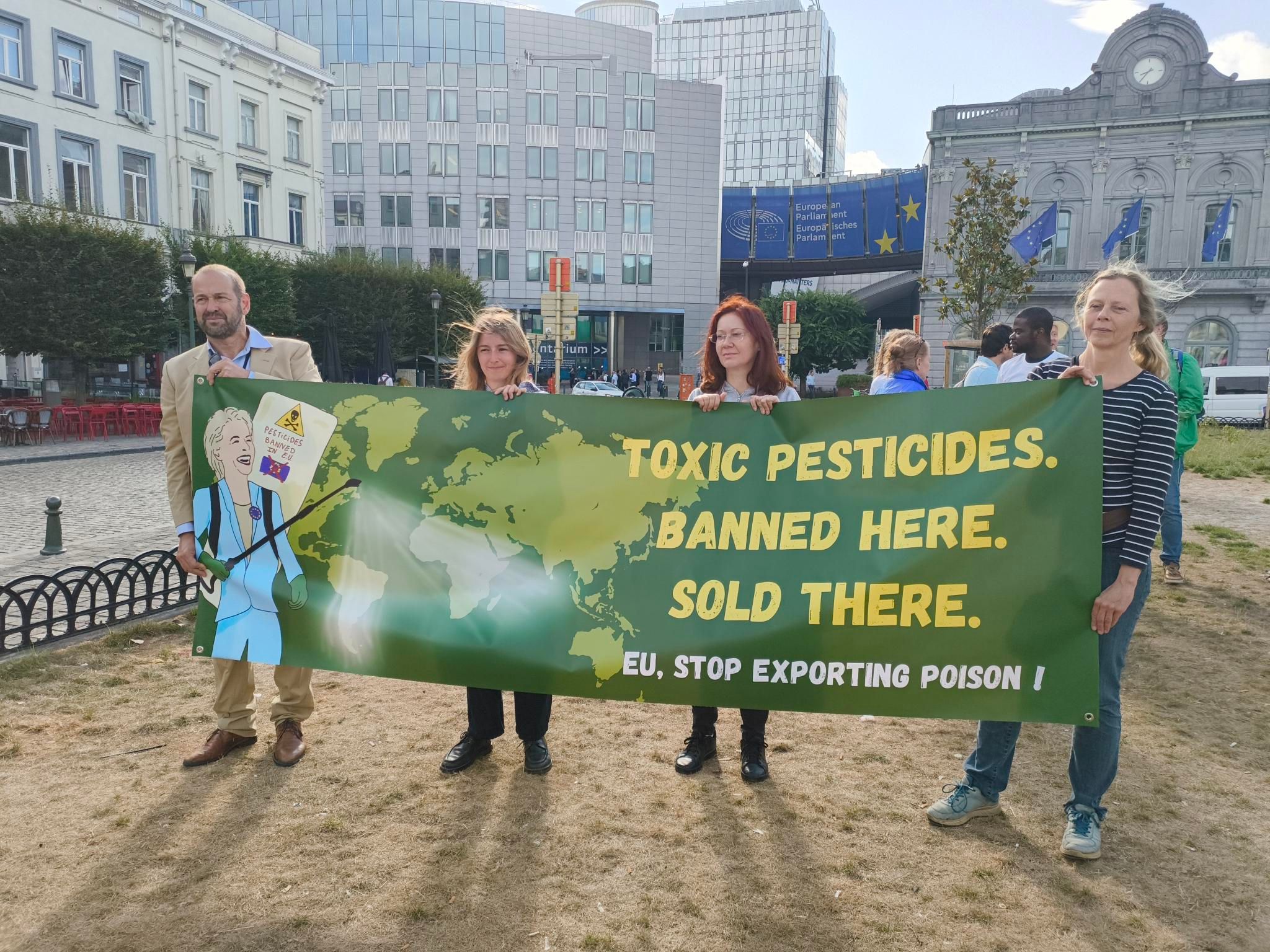
Importers and distributors in low- and middle-income countries should verify whether the pesticides they source from EU suppliers are authorized for use in the EU. The EU Commission has stated it remains committed to ending the export of banned pesticides, with an impact study launched in 2023 and possible options currently under review. However, the process has faced delays due to strong industry pushback. Buyers should monitor regulatory developments closely, as future EU restrictions could disrupt supply chains for these substances.
Switzerland's parallel opacity
Switzerland also exports banned pesticides, but with even greater opacity. Although the Federal Council decided in 2020 to tighten controls on such exports, the list of substances subject to Swiss hazardous chemical export regulations has not been updated since. Dozens of pesticides recently banned in Switzerland can still be freely exported. An update, repeatedly postponed, is now expected to be proposed in autumn next year, with entry into force in early 2028.
Source: Read the original report | Published: September 23, 2025