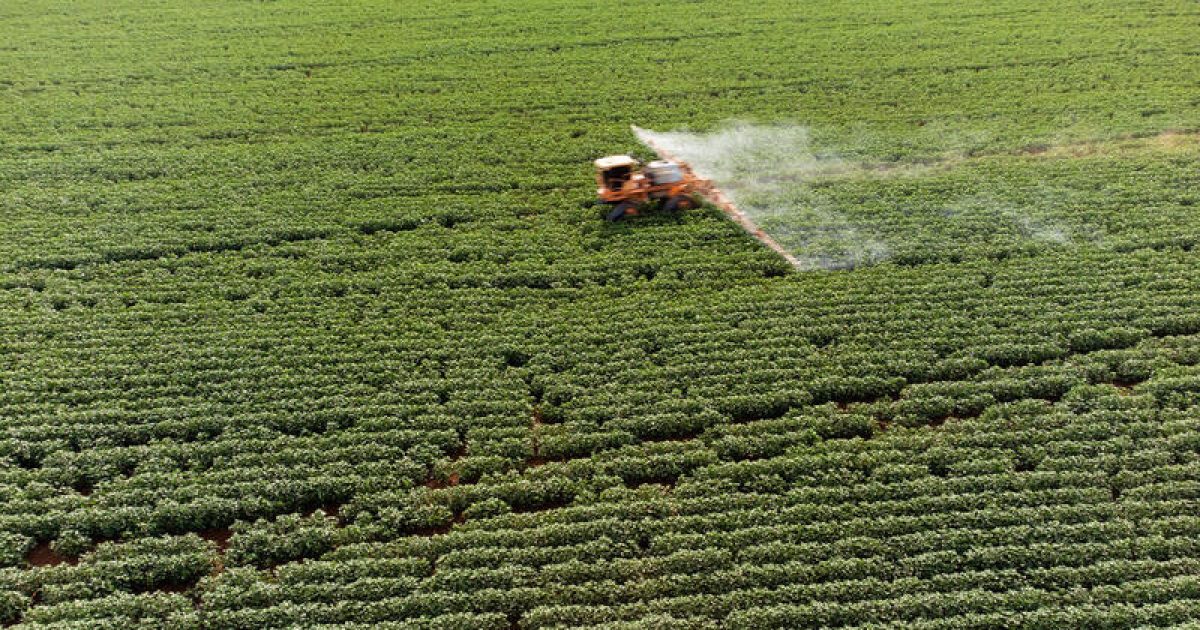
A new investigation by Greenpeace's Unearthed project and Swiss NGO Public Eye reveals that Spain has become the third-largest exporter of pesticides banned within the European Union, trailing only Germany and Belgium. The findings, based on export notification documents obtained through freedom of information laws, show that Spain approved the export of nearly 12,900 tonnes of banned pesticides in 2024—2.5 times the 5,200 tonnes recorded in 2018. This surge raises serious concerns for overseas buyers, particularly in low- and middle-income countries that receive nearly half of these shipments, as the chemicals pose known risks to human health, pollinators, and ecosystems.
Export volume and growth
Spain's approved exports of EU-banned pesticides have more than doubled since 2018, reaching 12,900 tonnes in 2024. The number of different banned active substances in these exports has nearly tripled over the same period, from 8 to 22. The data comes from mandatory export notifications that companies submit to obtain authorization, though actual shipped volumes may differ.
Key banned substances shipped
The most exported banned pesticide was the soil fumigant 1,3-dichloropropene (1,3-D), prohibited in the EU since 2007 due to groundwater contamination and wildlife risks. Spain approved nearly 9,800 tonnes of 1,3-D-based products in 2024, primarily notified by Teleos, Agroquímicos de Levante, and Tris. US-based Corteva also notified 1,600 tonnes of picoxystrobin—a fungicide banned in Europe in 2017 over wildlife and DNA damage concerns—for export from Spain to Brazil.
Other banned pesticides approved for export include chlorothalonil (carcinogenic fungicide, banned 2019), chlorpyrifos (neurotoxic insecticide, banned 2020), epoxiconazole (reprotoxic fungicide, banned 2020), and neonicotinoids thiamethoxam and imidacloprid (bee-toxic insecticides).
Destination markets and buyer implications
Nearly half (49%) of Spain's banned pesticide exports in 2024 were destined for low- and middle-income countries, including Morocco, Brazil, South Africa, Guatemala, and Ukraine. These markets face higher risks from highly hazardous pesticides due to weaker regulatory oversight and protective measures. Importers and formulators in these regions should verify the regulatory status of imported active ingredients and consider potential supply-chain disruptions if the EU moves toward a bloc-wide export ban.
Compliance and regulatory signals
Greenpeace is urging the European Commission to fulfill its commitment to establish a community-wide ban on exporting banned pesticides. "The Spanish government must stop being part of the problem and start pushing harder for a solution," said Helena Moreno, Greenpeace's sustainable food systems campaign coordinator. For chemical buyers and distributors, this signals potential tightening of EU export controls that could affect availability and pricing of certain active ingredients in non-EU markets.
China sourcing context
While this investigation focuses on Spain and the EU, the findings underscore a broader global trend: regulatory divergence creates arbitrage opportunities for pesticide exporters. Chinese manufacturers and traders should monitor EU policy developments closely, as any bloc-wide export ban could shift demand toward non-EU suppliers, including China, for certain banned or restricted active ingredients. However, buyers should also anticipate increased scrutiny from importing countries' regulators and NGOs regarding the environmental and health impacts of these chemicals.
Source: Read the original report | Published: September 23, 2025