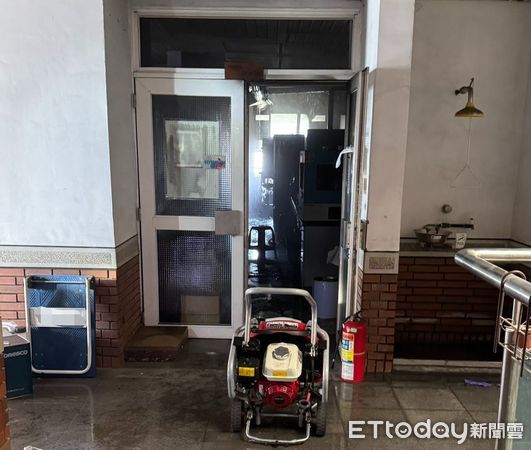
A chemical explosion at National Cheng Kung University's (NCKU) Chemical Engineering laboratory in Tainan, Taiwan, on the afternoon of June 1, injured two students, raising safety concerns for overseas buyers sourcing from or collaborating with Taiwanese academic and industrial chemical facilities. The incident, involving a sodium-water reaction, underscores the importance of rigorous safety protocols in chemical handling, which can impact supply-chain reliability and compliance standards for international partners.
Incident details
At 2:37 PM local time, a chemical explosion occurred in the Ziqiang campus laboratory of NCKU's Chemical Engineering department, producing heavy smoke. Firefighters arrived at 2:49 PM and extinguished the situation by 3:07 PM, with no open flames observed. The explosion resulted from sodium reacting with tetrahydrofuran (THF) during a solvent dehydration process, damaging a fume hood over an area of approximately 3 square meters.
Injuries and response
Two students sustained burns: a 22-year-old male with first-degree burns to his face and forearms, and a 22-year-old female with burns to her face and hands. Both were conscious and transported to a hospital with no life-threatening injuries. NCKU's safety and environmental center responded immediately, and the fire department is investigating the exact cause and property damage.
Safety measures and implications
NCKU confirmed that the experiment involved using metallic sodium to remove water from organic solvents. Due to the inherent danger of sodium, the supervising professor has decided to discontinue this method, opting for alternative dehydration techniques to ensure student safety. This incident highlights the critical need for strict adherence to safety protocols in chemical laboratories, which is directly relevant to overseas buyers evaluating the operational standards of their suppliers.
What buyers should watch
For international importers and distributors sourcing chemicals or collaborating with Taiwanese institutions, this event serves as a reminder to verify the safety compliance and incident response procedures of their partners. While this was a contained academic accident, it reflects broader industry practices. Buyers should request safety audit reports and ensure that suppliers follow robust risk management protocols to prevent disruptions in the supply chain.
China sourcing context
Although this incident occurred in Taiwan, it resonates with the broader chemical industry in China and the Asia-Pacific region, where sodium-based reactions are common in solvent purification. Overseas buyers sourcing from the region should monitor local safety regulations and consider diversifying suppliers to mitigate risks associated with laboratory or production accidents that could affect product quality or delivery timelines.
Source: Read the original report | Published: September 01, 2025