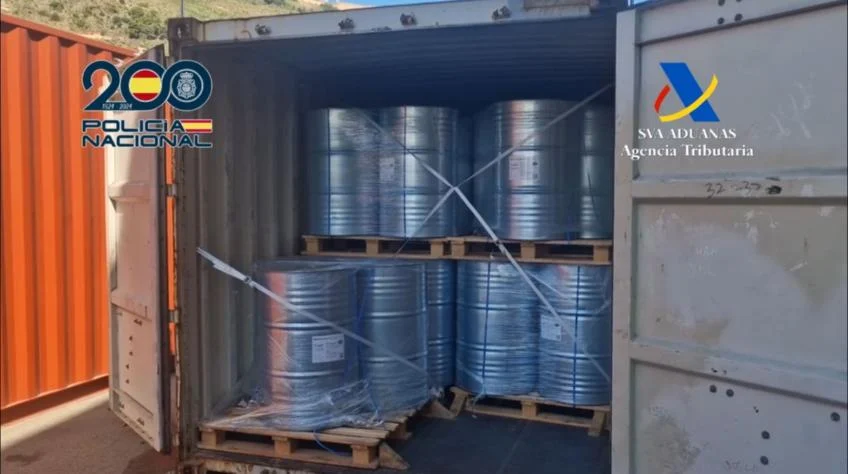
Spanish authorities are investigating a suspected scheme in which a Barcelona-based wine and spirits exporter allegedly acted as a front to ship sanctioned industrial chemicals to Russia, bypassing EU export controls. The case, dubbed 'Operation Test Tube,' highlights critical vulnerabilities in customs classification systems and the growing risk for chemical supply-chain compliance failures that overseas buyers and distributors must monitor closely.
Case background
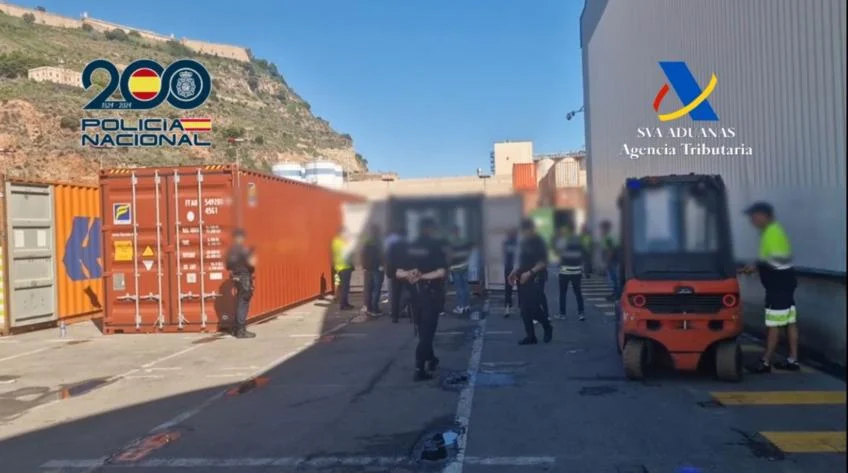
In October 2025, Spain's National Police raided multiple locations in Barcelona, seizing 13,000 kilograms of chemicals at the Port of Barcelona. The operation targeted María Oleinikova, a Russian-born Spanish national, and her two children, Irina and Vyacheslav, who run Cavina Vinoteca and Complexe Sancu—businesses outwardly focused on Spanish wine, beer, cider, and liquor exports to Russia. Also detained was Werner Scharlau, German majority owner of Barcelona-based chemical firm Scharlab SL. All nine suspects remain free pending investigation for smuggling prohibited substances.
Alleged front-company structure
According to the Organized Crime and Corruption Reporting Project (OCCRP), the Oleinikova family's activities extend beyond beverages into industrial chemicals. María Oleinikova is reportedly the majority shareholder of Catrosa Reactiv, a Russian chemical supplier acquired by her family in 2008. Investigators believe she acted as a key intermediary, orchestrating shipments of EU-sanctioned chemicals from Spain to Russia. Between 2022 and 2024, Catrosa Reactiv allegedly received at least 36 shipments of prohibited chemicals from Spain, 32 of which came from Scharlab SL, valued at approximately $15,000 per shipment.
Sanctioned substances and customs loopholes
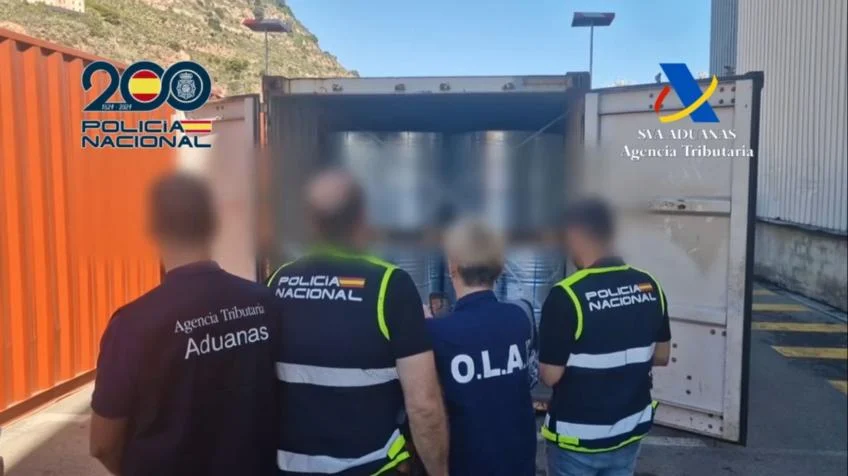
The shipments included 14 distinct chemicals subject to EU export bans, among them the solvent N-methyl-2-pyrrolidone (NMP), received by Catrosa Reactiv in 2023. A former member of the Organisation for the Prohibition of Chemical Weapons noted that the imported substances "are sanctioned for their potential use in chemical weapons." Experts point to a structural flaw in EU customs controls: Harmonized System (HS) codes are broad identifiers that group many products, allowing prohibited substances to be exported under codes that do not explicitly flag them as sanctioned.
What buyers should watch
For overseas chemical importers and distributors, this case underscores the importance of rigorous due diligence on supply-chain intermediaries, especially those with dual business profiles (e.g., food/beverage and chemicals). The use of front companies to mask sanctioned exports is a growing compliance risk. Buyers should verify end-user declarations, monitor HS code classifications for dual-use chemicals, and ensure that suppliers have robust screening processes for EU sanctions lists. Any gaps in customs classification can expose downstream buyers to legal and reputational damage.

China sourcing context
While this case centers on Spain-EU exports, it serves as a cautionary tale for Chinese chemical traders and manufacturers who supply European markets. China's own export control regime for dual-use chemicals is tightening, and similar front-company tactics could trigger investigations by Chinese customs or international partners. Companies sourcing from or selling to Europe should review their compliance protocols, especially for solvents, reagents, and other industrial chemicals that may fall under sanctions regimes.
Source: Read the original report | Published: October 05, 2025