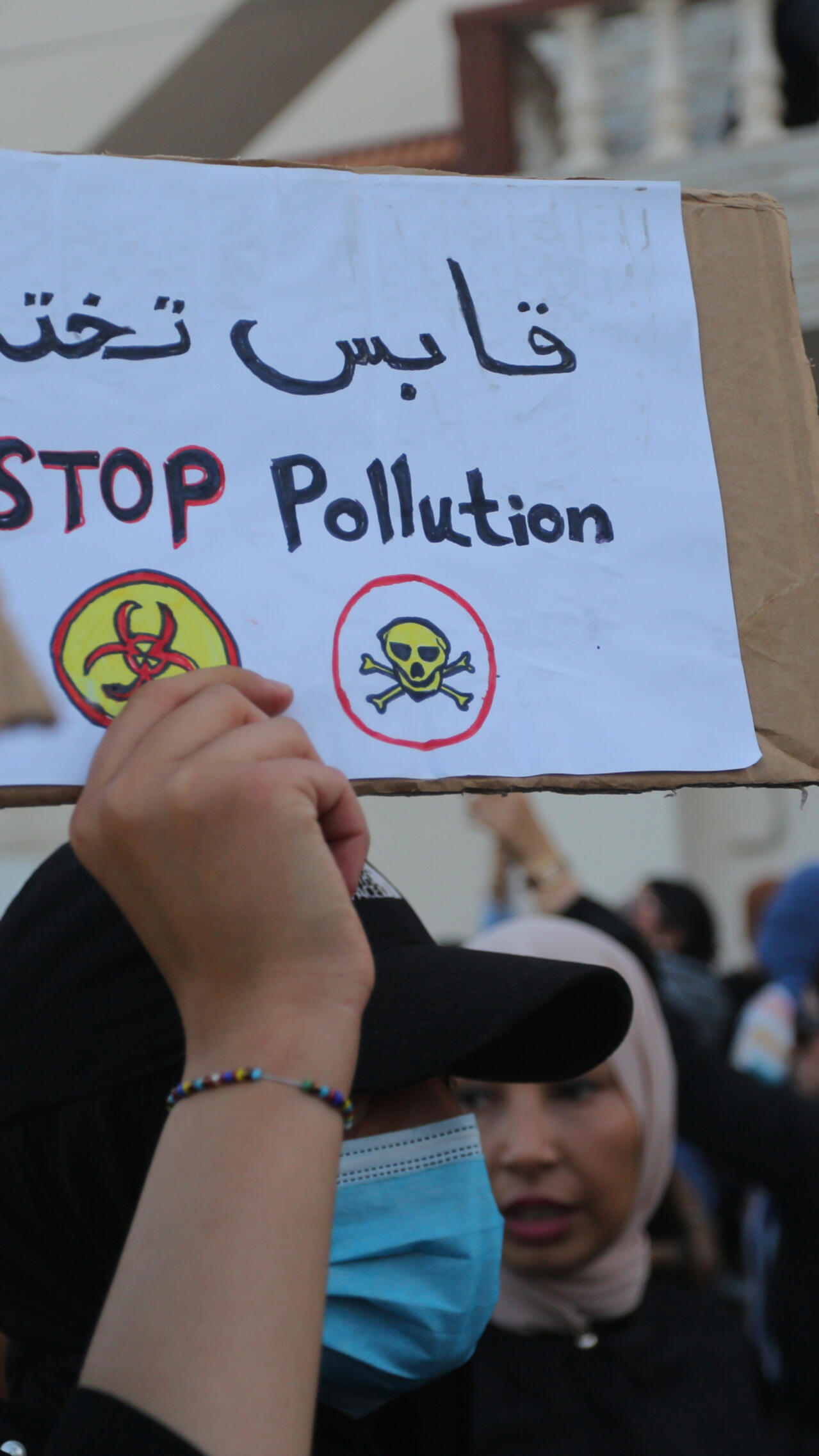
Tunisian police have arrested dozens of people during protests in the southern city of Gabès against a state-run chemical complex that processes phosphate into fertilizers, as local residents blame the facility for toxic emissions and health problems. The crackdown, reported on October 18, 2025, signals escalating tensions that could disrupt phosphate fertilizer production and supply chains for overseas buyers reliant on Tunisian exports.
Protest and arrest details
Thousands of residents have demonstrated in recent days demanding the closure of the Tunisian Chemical Group (GCT) complex, which they accuse of releasing toxic gases and dumping hazardous waste into the sea. Lawyer Mehdi Talmoudi told AFP that arrests targeted nighttime protesters, with daytime rallies largely peaceful but nighttime events seeing sporadic clashes and tire burning. The exact number of detainees remains unclear.
Coordinator Khairuddin Dabbia of the local "Stop Pollution" campaign stated that more than 100 people had been arrested by early Saturday, with over 70 taken into custody on Friday night alone. Some were reportedly seized from their homes. Tunisian activists on social media condemned what they called a "wave of arrests."
Government response and production plans
Tunisian President Kais Saied summoned parliament speaker Ibrahim Bouderbala and the head of the National Council of Regions and Districts, Imad Derbali, early Saturday to discuss the "environmental situation" in Gabès. Saied said work is underway to find "urgent and immediate solutions to pollution."
However, the government had earlier this year signaled plans to boost output at the complex despite a 2017 pledge to gradually close it. Tunisia aims to capitalize on rising global fertilizer prices by increasing production from less than 3 million tonnes to 14 million tonnes annually by 2030—a more than fourfold increase.
Supply-chain impact
The GCT complex is a key supplier of phosphate fertilizers to European and African markets. Any sustained disruption from protests or regulatory changes could tighten global phosphate supply, especially as Tunisia competes with Morocco and China. Overseas buyers should monitor whether production cuts or export delays emerge from the unrest.
What buyers should watch
Importers and distributors of phosphate fertilizers should track official announcements from GCT and the Tunisian government regarding production continuity. Any forced shutdown or reduced operating rates could affect contract deliveries. Additionally, environmental compliance costs may rise if Tunisia enforces stricter emission controls, potentially impacting pricing.
China sourcing context
While Tunisia is not a major supplier to China, the unrest highlights broader risks in phosphate-producing regions. Chinese fertilizer buyers sourcing from North Africa should diversify suppliers and consider inventory buffers. The situation also underscores growing environmental activism in emerging markets, which may lead to tighter regulations for chemical plants globally.
Source: Read the original report | Published: October 18, 2025