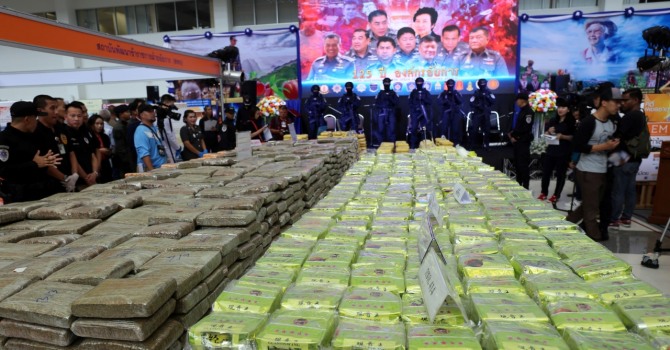
Chinese manufacturers are massively smuggling methamphetamine precursor chemicals to Myanmar's armed groups, triggering an unprecedented methamphetamine crisis across the Asia-Pacific region. In 2023, authorities seized 236 tons of meth in East and Southeast Asia, up 24% year-on-year, according to a Washington Post report. This supply-chain disruption directly impacts chemical buyers, as tighter controls on precursor chemicals may affect legitimate trade flows and compliance requirements.
Scale of the crisis
The United Nations Office on Drugs and Crime (UNODC) identifies Myanmar's eastern Shan State, bordering China, as the primary source of methamphetamine production. Controlled by ethnic rebel groups and militias, the region has become the world's largest meth production hub. The 2021 military coup weakened drug enforcement and collapsed the formal economy, creating a "golden age" for the United Wa State Army (UWSA) and their Chinese partners. Retail prices of crystal meth in parts of Asia-Pacific have halved since 2021 while purity remains stable, indicating oversupply.
Chinese companies and precursor smuggling
Investigators found dozens of licensed Chinese companies openly trading meth precursors like ephedrine and pseudoephedrine on online marketplaces, offering integrated logistics support to bypass customs controls. In 2020, 72 tons of propionyl chloride, a meth precursor, was seized in Laos and traced to a subsidiary of a Chinese state-owned enterprise. After Thailand regulated ephedrine and pseudoephedrine in the 2010s, manufacturers shifted to synthesizing these precursors from non-regulated substances. In October 2024, Thailand's ONCB raided a warehouse near the Myanmar border, seizing 800 tons of chemicals including toluene, acetone, and sodium hydroxide.
Cryptocurrency and illegal trade links
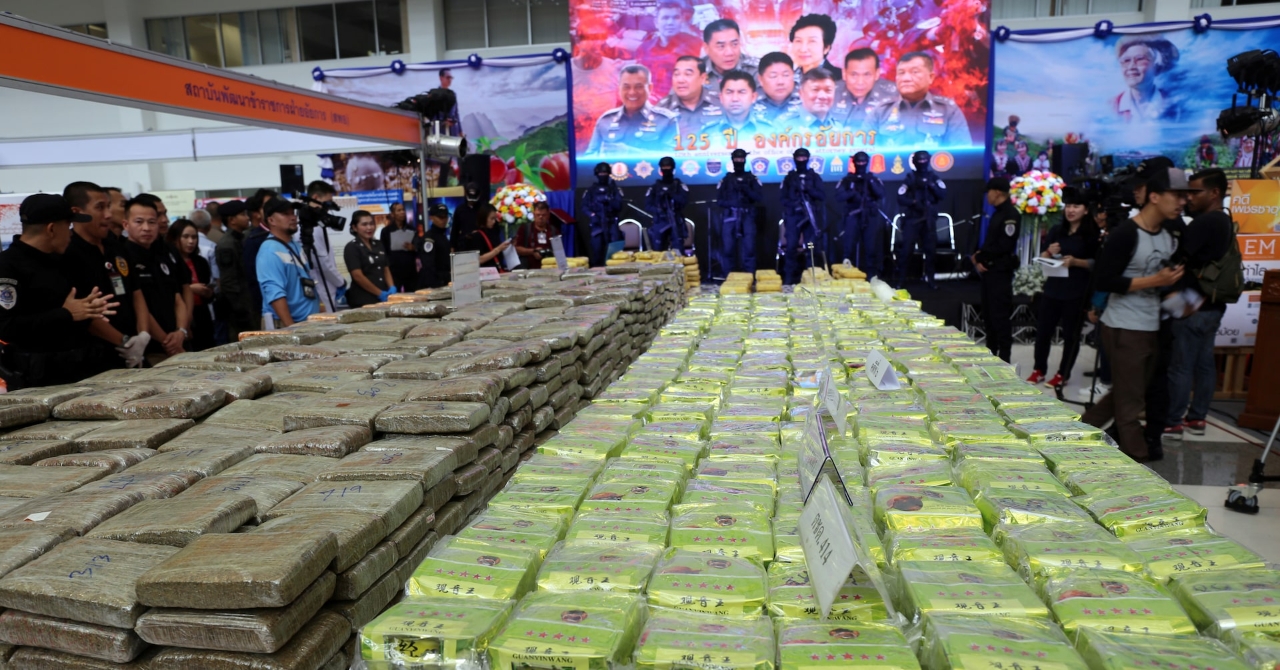
Blockchain intelligence firm TRM Labs identified over 120 Chinese chemical companies as precursor suppliers, nearly all accepting cryptocurrency payments. Deposits to wallets linked to these firms surged over 600% between 2022 and 2023, exceeding $26 million in 2023. In the first four months of 2024, deposits doubled year-on-year. Nearly two-thirds of fentanyl precursor suppliers also advertised other drug precursors, including meth for Asia and ecstasy for Western Europe. TRM senior threat analyst Alois Afilipoaie stated, "This goes beyond fentanyl and the United States. China is the epicenter of the global illicit drug crisis."
Regional impact and enforcement challenges
Australia's meth use rose 21% between 2023 and 2024, with police estimating 70% of domestic "ice" originates from Shan State. South Korea's Ministry of Health and Welfare estimated illegal drug users exceeded 400,000 in 2024, a 60% increase in five years, with meth detected in dozens of sewage treatment plants. Despite UN and INCB pressure, China's use of the Pre-Export Notification (PEN) system remains low relative to its chemical industry size. While China arrested four executives of Hubei Aoks Bio-Tech Co. Ltd. after US indictment, the US State Department reported no arrests or prosecutions in China for precursor trafficking globally as of September 2024.
What buyers should watch
Chemical importers and distributors should monitor tightening export controls on meth precursors from China, which may disrupt supply chains for legitimate industrial and pharmaceutical uses. The shift to third-country transit routes through Thailand and Laos increases logistics complexity and compliance risks. Companies should verify their suppliers' regulatory compliance and consider alternative sourcing from jurisdictions with clearer enforcement records. The growing use of cryptocurrency in illicit trade also signals potential for enhanced financial scrutiny on chemical transactions.
Source: Read the original report | Published: November 10, 2025