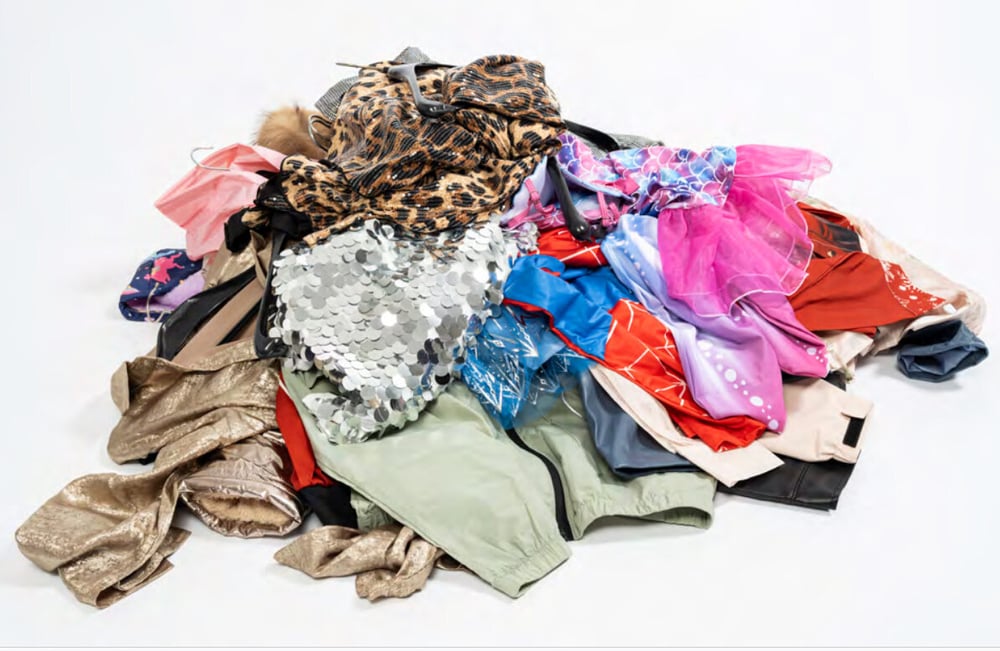
A new report from Greenpeace Germany, published on November 21, 2025, reveals that clothing from Chinese e-commerce platform Shein continues to contain hazardous chemicals, with some items exceeding European Union regulatory limits by thousands of times. For overseas buyers and distributors in the textile and apparel supply chain, this signals persistent compliance risks and potential regulatory tightening that could affect sourcing from fast-fashion platforms.
Key findings from the report
Greenpeace tested 56 Shein garments and found that 18 contained dangerous chemical substances, including PFAS (per- and polyfluoroalkyl substances) and phthalates. Seven jackets exceeded PFAS limits under the EU's REACH regulation by up to 3,300 times, while 14 products surpassed phthalate limits, with six items exceeding them by 100 times or more. These chemicals are linked to cancer, reproductive disorders, and immune system damage.
Health and environmental concerns
The chemicals can enter the body through skin contact and inhalation of fibers, with children at particular risk of ingestion. Greenpeace also noted that washing releases these substances into rivers, soil, and the food chain, amplifying environmental harm. The NGO previously flagged similar issues in Shein products in 2022, when 7 out of 47 items tested were problematic.
Shein's response and industry context
Shein stated it removes identified items from sale worldwide as a precaution. The company has invested in supplier controls, including a 2024 Restricted Substances List (MRSL), over 2 million tests, and the exclusion of 260 non-compliant suppliers. However, Greenpeace argues these measures are ineffective, noting that previously flagged items reappear in nearly identical forms with the same hazardous chemicals.
Regulatory loophole and EU action
Greenpeace claims Shein exploits a gap in EU chemical regulations by shipping directly to consumers from sellers outside the bloc, bypassing REACH obligations. The European Commission plans to propose legislation next year to address this issue. Last week, EU member states also agreed to remove the duty-free exemption for low-value orders from companies like Shein, potentially increasing costs for importers.
What buyers should watch
Importers and distributors of apparel and textiles should monitor EU regulatory developments closely, as proposed laws could tighten chemical compliance requirements for all online platforms. The removal of duty exemptions may also shift cost structures. Buyers are advised to verify supplier chemical management practices and consider third-party testing to mitigate risks of non-compliance and reputational damage.
Source: Read the original report | Published: November 21, 2025