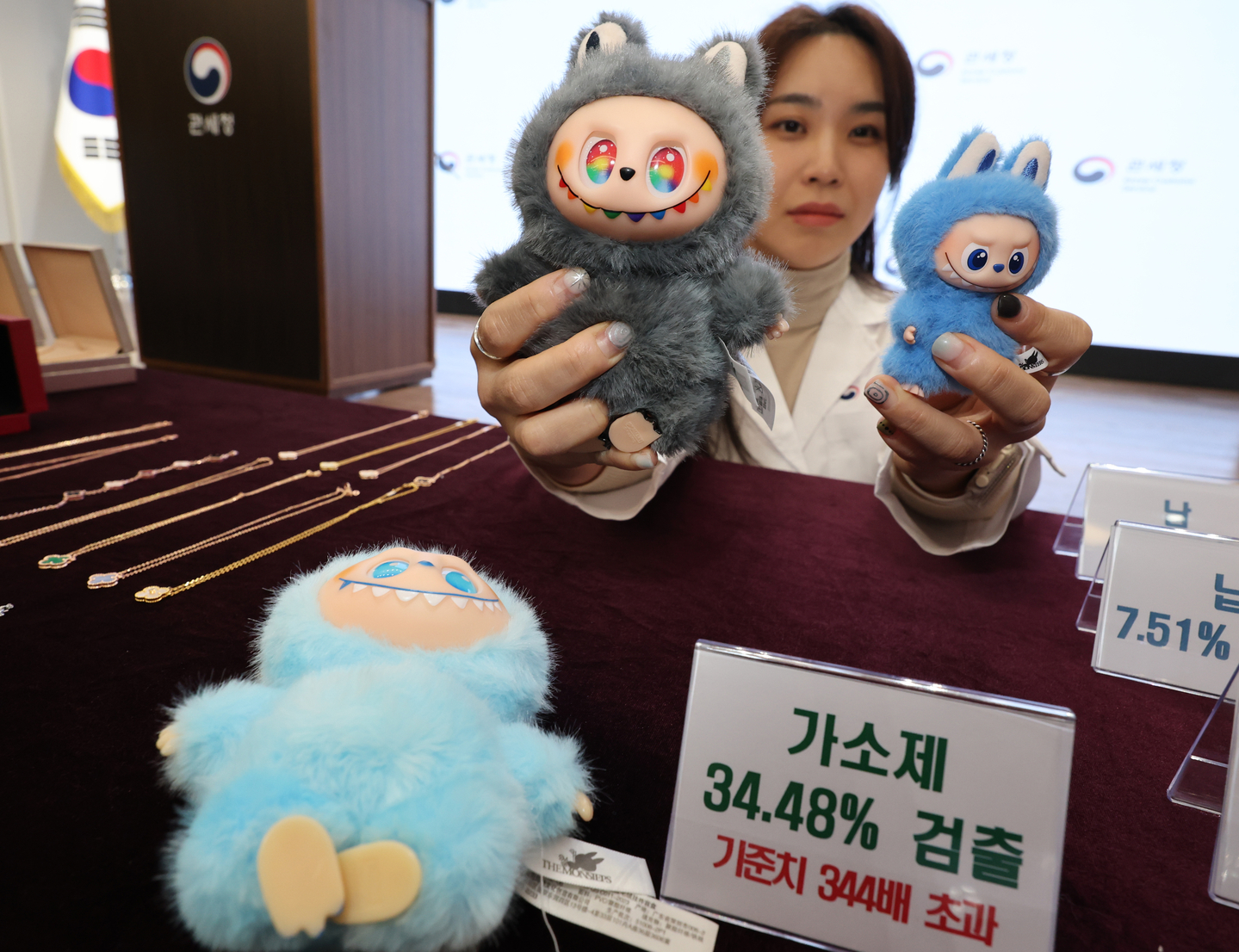
Korean customs authorities have warned that counterfeit Labubu keyrings, a popular Chinese character toy, contain toxic chemicals at levels thousands of times above safety limits. The warning comes ahead of major global shopping events, signaling heightened import scrutiny for overseas buyers and distributors of consumer goods and chemical-containing products entering South Korea.
Counterfeit goods crackdown
The Korea Customs Service announced an eight-week special crackdown on illegal imports via overseas direct purchases, starting November 10, ahead of Singles' Day and Black Friday. During the first half of 2025, customs seized 606,443 counterfeit items. Chemical testing on 250 skin-contact items found 112 containing carcinogenic substances like lead, cadmium, and phthalates exceeding Korean safety thresholds.
Toxic chemical levels
In some counterfeit accessories, lead and cadmium were detected at levels up to 5,527 times the permissible limit. Lead concentrations reached 41.64% (4,627 times the limit) and cadmium 12% (120 times the limit), indicating these metals were primary manufacturing ingredients, not just surface coatings. Among five Labubu keyrings tested, two contained phthalates at 344 times domestic safety standards.
Livestream commerce risks
Of 42 counterfeit accessories purchased via Instagram and YouTube livestream commerce, 24 items (57.1%) contained lead and cadmium above legal limits. This highlights growing risks in social media-driven cross-border trade, where chemical compliance verification is often bypassed.
What buyers should watch
Overseas importers and distributors should verify that suppliers provide certified chemical compliance documentation, especially for children's toys and accessories. With Korea's customs intensifying inspections, non-compliant shipments face seizure and penalties. Buyers should audit supply chains for lead, cadmium, and phthalate content, and ensure products meet Korean safety standards before shipping.
China sourcing context
Labubu is a product of Chinese toy company Pop Mart, and counterfeit versions are often manufactured in China. The crackdown signals that Korean customs is targeting low-cost, high-volume imports from Chinese e-commerce platforms. Buyers sourcing similar items from China should prioritize suppliers with proven compliance records to avoid disruptions.
Source: Read the original report | Published: November 06, 2025