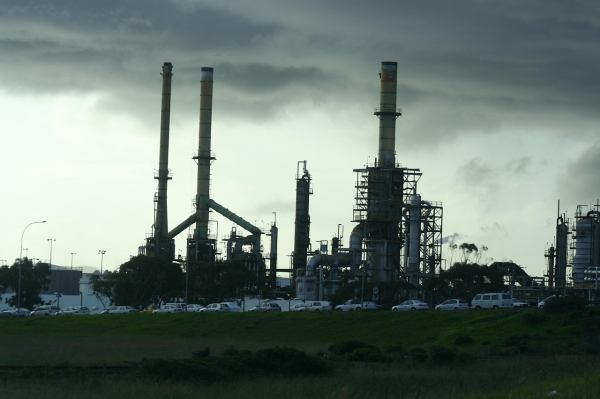
South Korea's leading petrochemical companies, including LG Chem, Hanwha Solutions, Kumho Petrochemical, and Lotte Chemical, reported improved Q3 2024 earnings, driven by lower feedstock costs and stable product prices. However, the recovery is seen as temporary, with persistent headwinds from Chinese oversupply, global economic slowdown, and government restructuring pressure. Overseas buyers should monitor how these firms' portfolio shifts toward high-value businesses may affect supply dynamics and pricing in key chemical markets.
Q3 earnings snapshot
LG Chem posted consolidated sales of KRW 11.1962 trillion and operating profit of KRW 679.7 billion. While sales fell 11.3% year-on-year, operating profit surged 38.9%. Its petrochemical division turned profitable with KRW 291 billion operating profit on sales of KRW 4.4609 trillion, benefiting from lower raw material costs and cost-cutting measures.
Hanwha Solutions reported Q3 sales of KRW 3.3644 trillion and an operating loss of KRW 7.4 billion, narrowing from a KRW 80.3 billion loss a year earlier. Its chemical segment posted sales of KRW 1.1603 trillion and an operating loss of KRW 9 billion, as lower feedstock prices and resilient main product prices expanded spreads.
Kumho Petrochemical improved earnings despite intense market competition. Operating profit rose 29.7% to KRW 84.4 billion, while net profit surged 101.2% to KRW 106.9 billion. Sales fell 10.1% to KRW 1.6438 trillion. Its synthetic rubber division recorded KRW 632.2 billion in sales and KRW 31.2 billion in operating profit, with an operating margin of 4.9%, up 3.6 percentage points from the previous quarter. However, its phenol derivatives segment posted a widened operating loss of KRW 14.4 billion.
Lotte Chemical recorded sales of KRW 4.7861 trillion and an operating loss of KRW 132.6 billion, significantly improving from a KRW 417.4 billion loss in the same period last year. Its advanced materials division maintained profitability with KRW 257.9 billion in sales and KRW 3.6 billion in operating profit. The basic chemicals segment also saw improved profitability, aided by the completion of plant maintenance and stable feedstock costs.
Structural challenges persist
Despite the Q3 rebound, South Korean petrochemical firms face long-term structural issues, including massive supply from China, sluggish global demand, and carbon reduction pressures. The temporary improvement came from cost stabilization, product margin recovery, and facility efficiency, but sustainability remains uncertain.
Government pressure for restructuring adds further burden. Authorities demand voluntary restructuring plans by year-end, but companies with depleted profitability struggle to respond. Reducing naphtha cracking capacity, for instance, requires significant costs and workforce adjustments.
Portfolio restructuring and divestments
In response, companies are divesting non-core assets to secure liquidity and investing in high-value businesses such as batteries and eco-friendly products. LG Chem is pursuing a "selection and concentration" strategy, selling its water treatment filter business to Glenwood PE for KRW 1.4 trillion in June. Lotte Chemical sold a 75.01% stake in its Pakistan subsidiary LCPL for KRW 127.6 billion.
What buyers should watch
Overseas buyers should track how these portfolio shifts affect supply availability and pricing for key petrochemical products, including synthetic rubber, phenol derivatives, and basic chemicals. The ongoing restructuring may lead to reduced output in certain commodity segments, while increased focus on specialty and high-margin products could tighten supply for standard grades. Additionally, any further divestments or capacity rationalization in naphtha crackers may impact regional supply balances.
An industry insider commented: "The improved Q3 results are welcome, but they are only a short-term effect. Companies must fundamentally innovate their business structures and discover new high-value businesses. Government policy support and industry cooperation are also crucial."
Source: Read the original report | Published: November 24, 2025