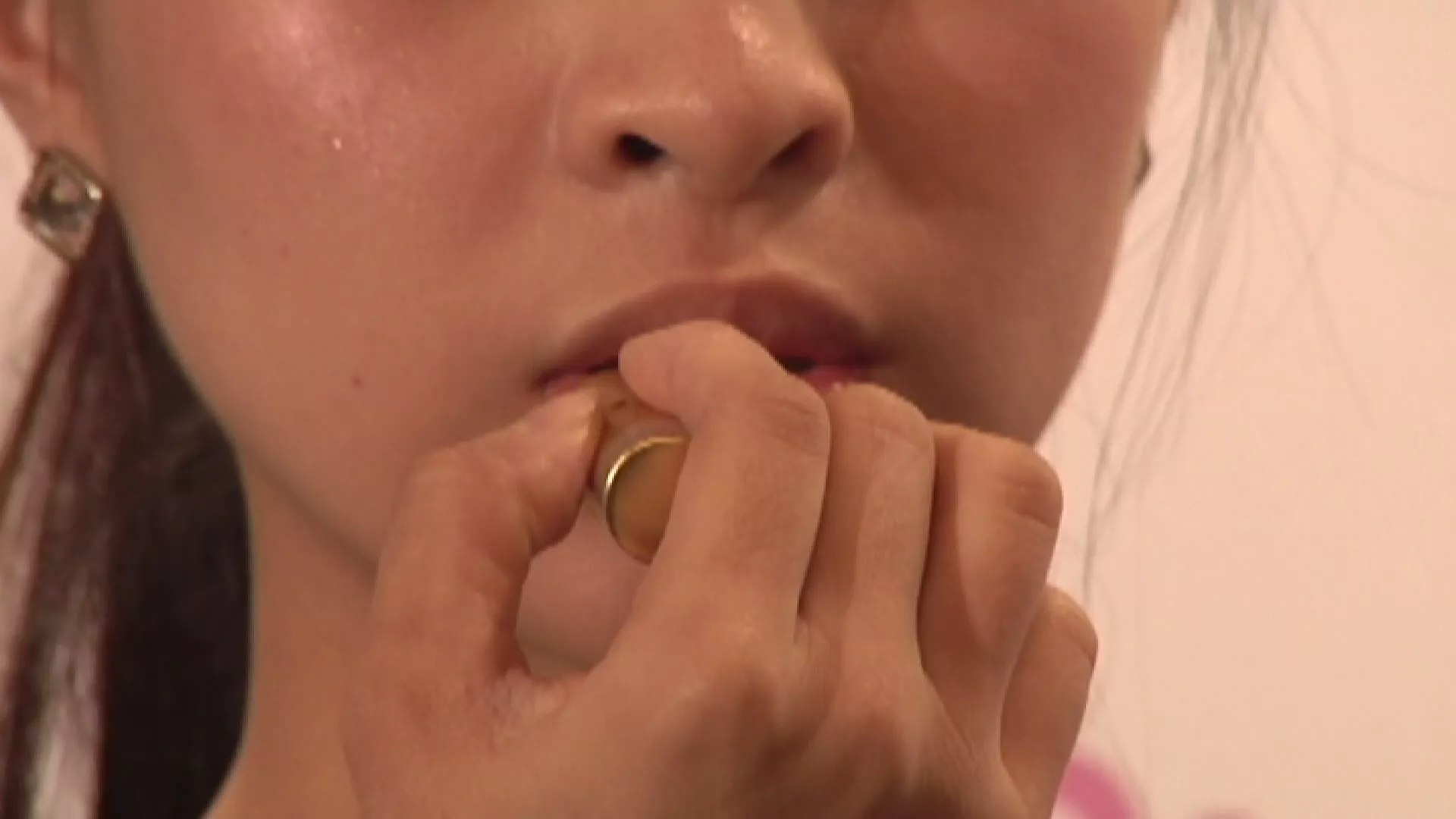
Taiwan's Ministry of Health and Welfare (MOHW) has confirmed Sudan Red, a carcinogenic industrial dye, in 20 cosmetic products from 12 domestic manufacturers, marking the first such contamination case in the region. The scandal has triggered regulatory reforms, including mandatory post-market testing for Sudan Red and accelerated GMP certification for cosmetic producers. Overseas buyers of cosmetic raw materials and finished products should monitor these changes as they may affect import compliance and supply-chain due diligence.
Regulatory background and trigger
The contamination was uncovered after the Taiwan Food and Drug Administration (TFDA) proactively traced reports from international media. In July 2024, Taiwan shifted its cosmetic regulation from a licensing system for specific-use products to a simpler product registration regime. Lawmakers from both ruling and opposition parties criticized this change, arguing it created a loophole that allowed unscrupulous importers to bring in adulterated raw materials without adequate border checks.
Scope of contamination and affected products
At least 12 domestic companies received the contaminated raw material, which was traced back to a Singapore-based supplier. The 20 affected products include lipsticks, hair tonics, and other everyday cosmetics. The TFDA identified that two of the 20 products had not even been registered, and penalties have been issued. The agency has also fined the illegal raw-material importer, Yihong Company, up to NT$5 million and referred the case for criminal investigation.
What buyers should watch
Overseas buyers sourcing cosmetic raw materials or finished products from Taiwan should expect stricter post-market surveillance. The MOHW will add Sudan Red to routine testing for cosmetics, and the TFDA plans to help all domestic manufacturers complete GMP certification by July 2026. This means suppliers may need to provide additional testing certificates or GMP documentation. Buyers should also verify that their Taiwanese partners have properly registered all products under the new system.
Compliance and logistics signals
The MOHW has formally requested assistance from Singapore's health authorities to clarify the production status of the upstream manufacturer, but has not yet received a response. This highlights the importance of raw-material traceability across borders. Importers should consider requiring Sudan Red-free certificates from suppliers and conducting independent lab tests on high-risk color cosmetics, especially lip products and hair formulations, where the dye is most likely to be used for its cheap, stable coloring properties.
Source: Read the original report | Published: November 26, 2025