Taiwan's health authorities have ordered the removal of 20 cosmetic products after detecting the banned Sudan Red dye in locally sold items, marking the first such case in the region. The Ministry of Health and Welfare plans to include Sudan Red in routine post-market surveillance to prevent recurrence, while fining the implicated raw material importer NT$5 million and referring the case to prosecutors. Overseas buyers of cosmetic ingredients should monitor Taiwan's tightening regulatory scrutiny on colorants and supply-chain traceability.
Regulatory response and enforcement
Taiwan's Food and Drug Administration (TFDA) identified the issue after monitoring international alerts and tracing imported raw materials from Singapore-based supplier Yihong Enterprise Co., Ltd. The contaminated ingredients were supplied to 14 downstream firms, including O'right and Greenvines Biotechnology, affecting products across seven counties. The TFDA will impose a NT$5 million fine on the importer within the week and has referred the case to judicial authorities for possible malicious adulteration.
Shift in market surveillance strategy
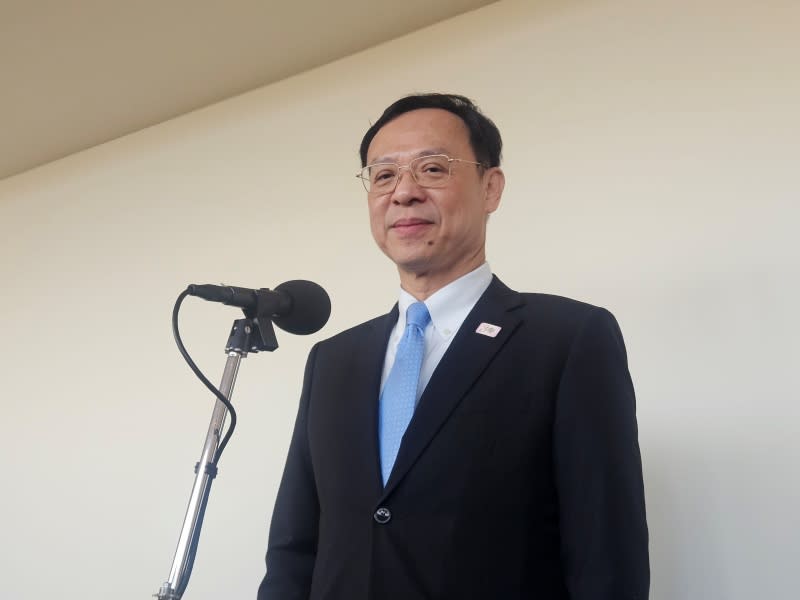
Health Minister Shih Chung-liang stated that because cosmetic raw materials are diverse and not all chemicals are exclusive to cosmetics, global management focuses on process control. Taiwan currently enforces permitted/prohibited substance lists and Good Manufacturing Practice (GMP) standards. Moving forward, the TFDA plans to add Sudan Red to routine post-market testing items, addressing industry concerns about limited testing capabilities.
Supply-chain implications for buyers
The incident highlights risks in cross-border raw material sourcing, particularly when intermediates pass through multiple jurisdictions. The TFDA has notified Singapore's health authorities about the contaminated raw material origin but has yet to receive a response. Importers and formulators should verify colorant supply chains for Sudan Red (Solvent Red 24, CI 26105) and related azo dyes, as Taiwan's enhanced surveillance may lead to broader testing requirements for cosmetic ingredients.
What buyers should watch
Overseas buyers of cosmetic raw materials for the Taiwan market should prepare for increased documentation requests regarding colorant purity and origin. The TFDA's move to institutionalize Sudan Red testing signals a potential trend toward stricter post-market monitoring of banned substances in cosmetics. Companies sourcing from or through Singapore should review supplier compliance with Taiwan's cosmetic ingredient regulations.
Source: Read the original report | Published: November 26, 2025