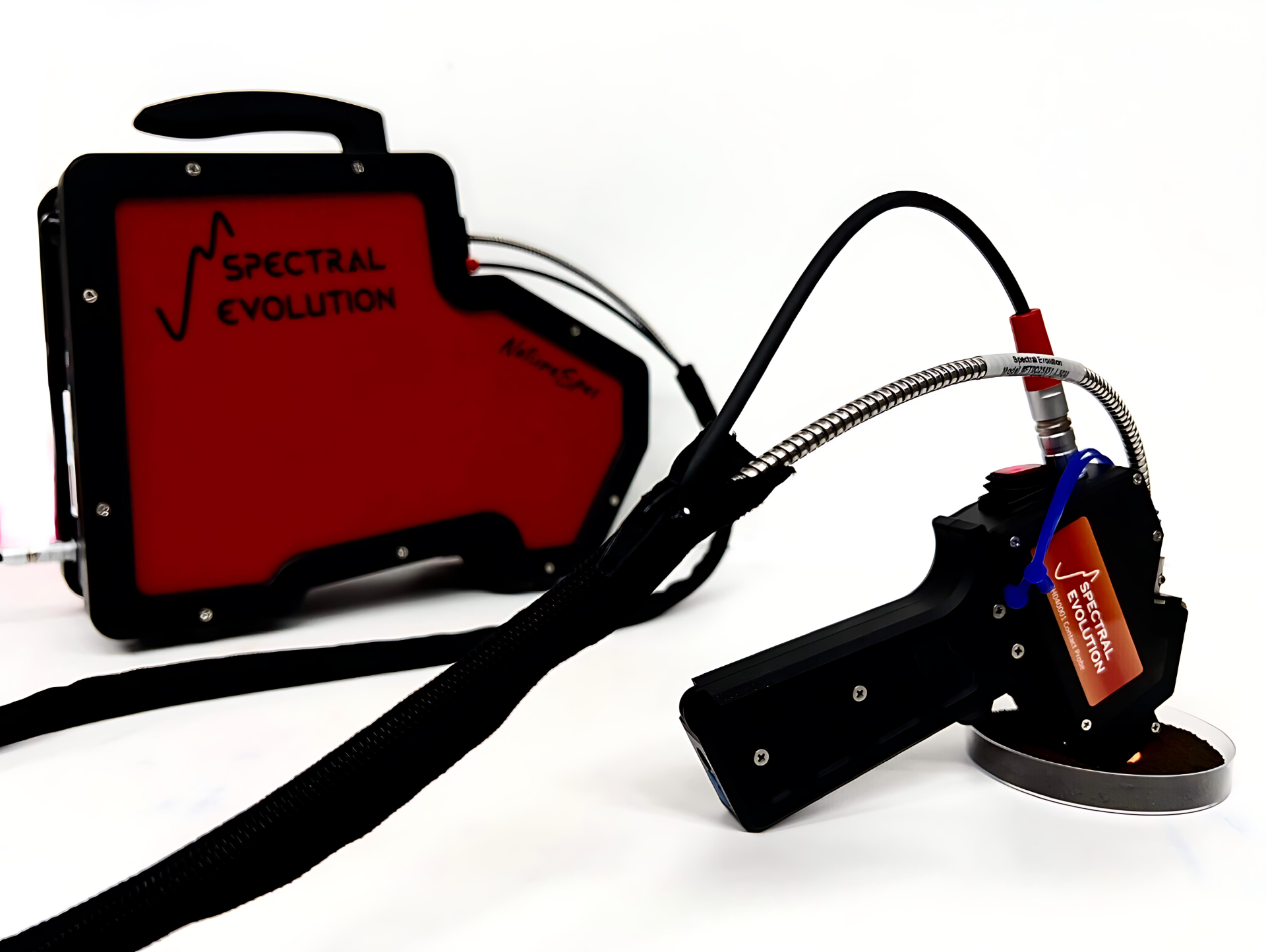
Taiwan's Livestock Research Institute (LRI) and National Taiwan University (NTU) have developed a visible-near infrared (Vis-NIR) spectroscopy method that can determine whether chicken manure is fully composted in just two seconds, with 85% accuracy. This breakthrough addresses a critical issue: approximately 76% of Taiwan's 2.17 million metric tons of raw chicken manure is applied directly to farmland annually, causing soil damage, crop harm, and environmental hazards. For overseas buyers of organic fertilizers and agricultural inputs, this signals potential shifts in Taiwan's fertilizer quality standards and sourcing dynamics.
The problem of raw manure
Raw chicken manure, which has not undergone proper fermentation or drying, is widely used in Taiwan due to its strong fertilizer effect, low price, and easy availability. According to the Ministry of Agriculture, in 2021, Taiwan applied 1.05 million metric tons of chemical and organic fertilizers, while 1.65 million metric tons of raw manure were improperly used on fields—far exceeding legal fertilizer volumes. "Raw manure has high nitrogen content, causing material instability and soil imbalance," said Professor Hsu Cheng-i of NTU's Department of Agricultural Chemistry. "It continues to ferment in the field, generating heat that burns crop roots and attracts pests and diseases." The manure also carries pathogens, insect eggs, and odors that create environmental sanitation problems.
Current testing limitations
Under current regulations, chicken manure must be fully composted before use as fertilizer, but determining compost maturity has been a major challenge for enforcement. Field inspections rely on moisture content as a proxy, which is inaccurate. Laboratory testing, while precise, takes at least one month to deliver results. In 2023, a farmer in Madou, Tainan, purchased organic fertilizer that caused one of his pomelo trees to grow slowly with yellowing leaves, suspecting incomplete composting. Such cases highlight the need for rapid, reliable on-site testing.
How Vis-NIR works
The technology uses a portable Vis-NIR spectrometer to scan manure samples and obtain spectral signals. These signals are matched against a database built from 120 samples of egg-laying hen, broiler, and colored chicken manure at various compost stages. The model uses seven indicators—moisture content, ammonia odor, pH, electrical conductivity, total organic carbon, total nitrogen, and carbon-to-nitrogen ratio—to judge compost maturity.

"The key is big data," Professor Hsu explained. "The more data we input for machine learning, the higher the accuracy." Currently, the system correctly identifies 5 out of 6 manure bags, with one error. The team aims to collect at least 200 samples to push accuracy above 95%.
Cost reduction goals
A major barrier to widespread adoption is equipment cost. The current Vis-NIR spectrometer costs about NT$2.5 million (US$77,000). LRI researcher Lin Cheng-pin stated the next-phase goal is to reduce the cost to under NT$100,000 (US$3,100) by narrowing the scanning wavelength range as the database grows. "With more samples, we can eliminate redundant wavelengths and lower costs," Professor Hsu added. This would make the technology accessible to small-scale farmers and composting facility operators.
What buyers should watch
For overseas importers of organic fertilizers and agricultural inputs, this development signals potential tightening of Taiwan's compost quality standards. If Vis-NIR technology becomes affordable and widely adopted, it could lead to stricter enforcement against raw manure use, increasing demand for certified composted products. This may affect supply chains for fruit, tea, and vegetable growers who rely on chicken manure-based fertilizers. Additionally, the technology could be adapted for other organic waste streams, creating opportunities for equipment suppliers and testing service providers in the Asia-Pacific region. Buyers should monitor Taiwan's regulatory updates and consider how improved compost verification might impact pricing and availability of organic fertilizers.
Source: Read the original report | Published: November 24, 2025