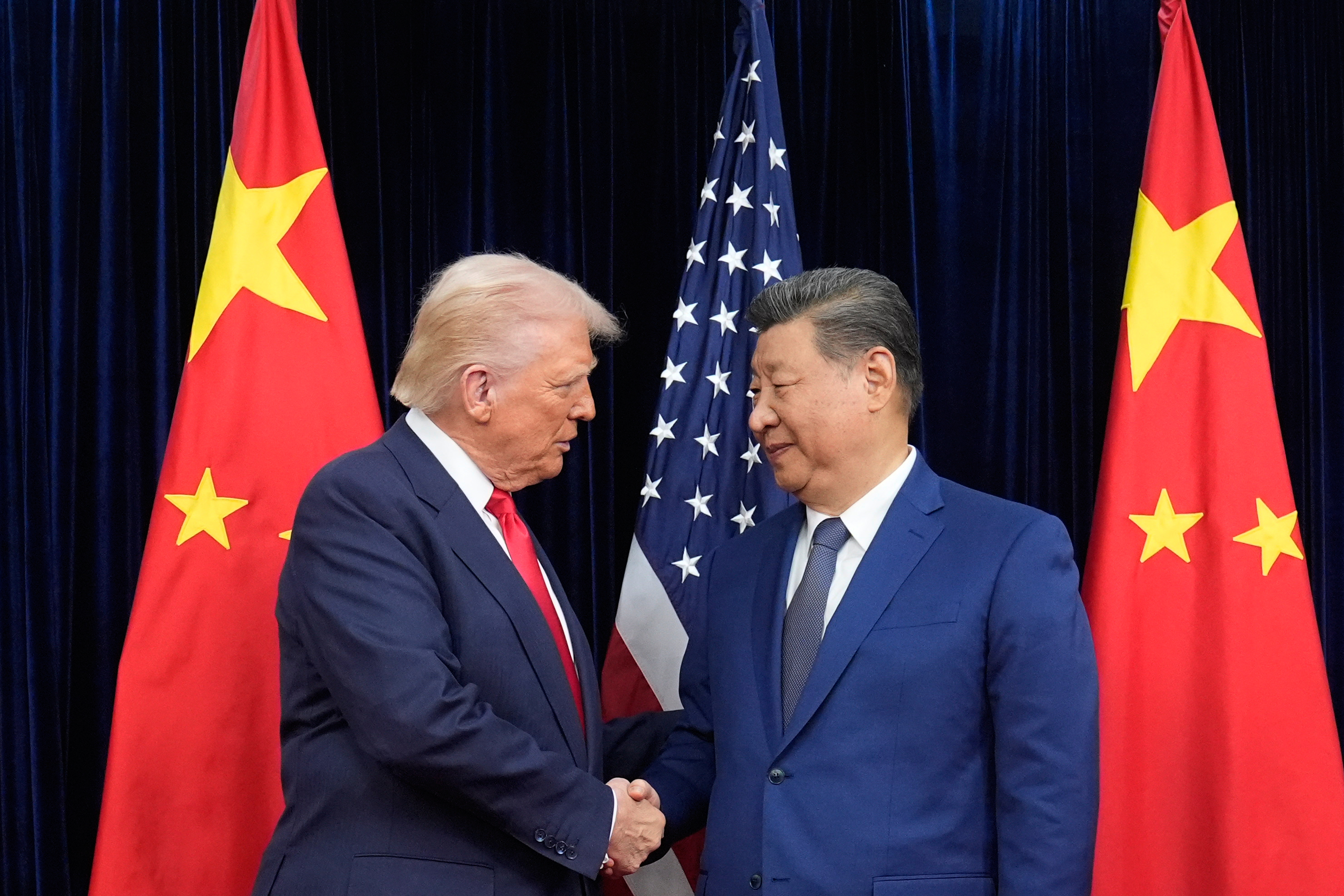
China on Monday announced new export restrictions on 13 chemicals that can be used to produce fentanyl, targeting shipments to the United States, Canada and Mexico. The move follows a deal between President Donald Trump and Chinese leader Xi Jinping last month in South Korea, under which Trump agreed to reduce a related tariff from 20% to 10% in exchange for Beijing's renewed crackdown. For overseas chemical buyers, this signals tighter supply controls on key pharmaceutical intermediates and potential price volatility for downstream products.
Background of the deal
China's Commerce Ministry said the 13 "drug-making" chemicals are now subject to export licensing requirements when destined for the three North American countries. The announcement fulfills a pledge Xi made during his October 30 meeting with Trump in Busan, South Korea, where the two leaders agreed to ease trade tensions. Trump had previously imposed two 10% tariffs on China, accusing it of failing to stem fentanyl precursor flows.
Supply-chain impact
The restricted chemicals have widespread legitimate uses in chemistry, agriculture and pharmaceuticals, according to Vanda Felbab-Brown, a senior fellow at the Brookings Institution. Exports to countries outside the US, Canada and Mexico remain license-free, potentially diverting trade flows. China is the world's top exporter of pharmaceutical ingredients, including fentanyl precursors, making these restrictions significant for global supply chains.
What buyers should watch
Importers of pharmaceutical intermediates and fine chemicals should monitor whether China extends these restrictions to other destinations. The chemicals are increasingly used to produce synthetic opioids, and tighter enforcement could reduce availability for legitimate industrial applications. Buyers may face higher prices or longer lead times for affected substances, particularly those sourced from Chinese manufacturers.
Compliance and logistics signals
Beijing also issued a public notice urging businesses to comply with tax codes, customs rules, internet laws and foreign currency regulations, signaling tougher enforcement. The China National Narcotics Control Commission is taking a more active role. Companies handling precursor chemicals should review their compliance documentation and ensure export licenses are in order for North American shipments.
China sourcing context
Cooperation on fentanyl has fluctuated with US-China relations. China restricted fentanyl and related substances in 2019 during Trump's first term, stalled cooperation in 2020, and resumed curbs in 2023 after President Joe Biden met Xi. Additional precursors were restricted in September 2024. The current deal essentially resumes measures China had implemented before Trump's tariffs disrupted cooperation, Felbab-Brown noted.
Source: Read the original report | Published: November 10, 2025