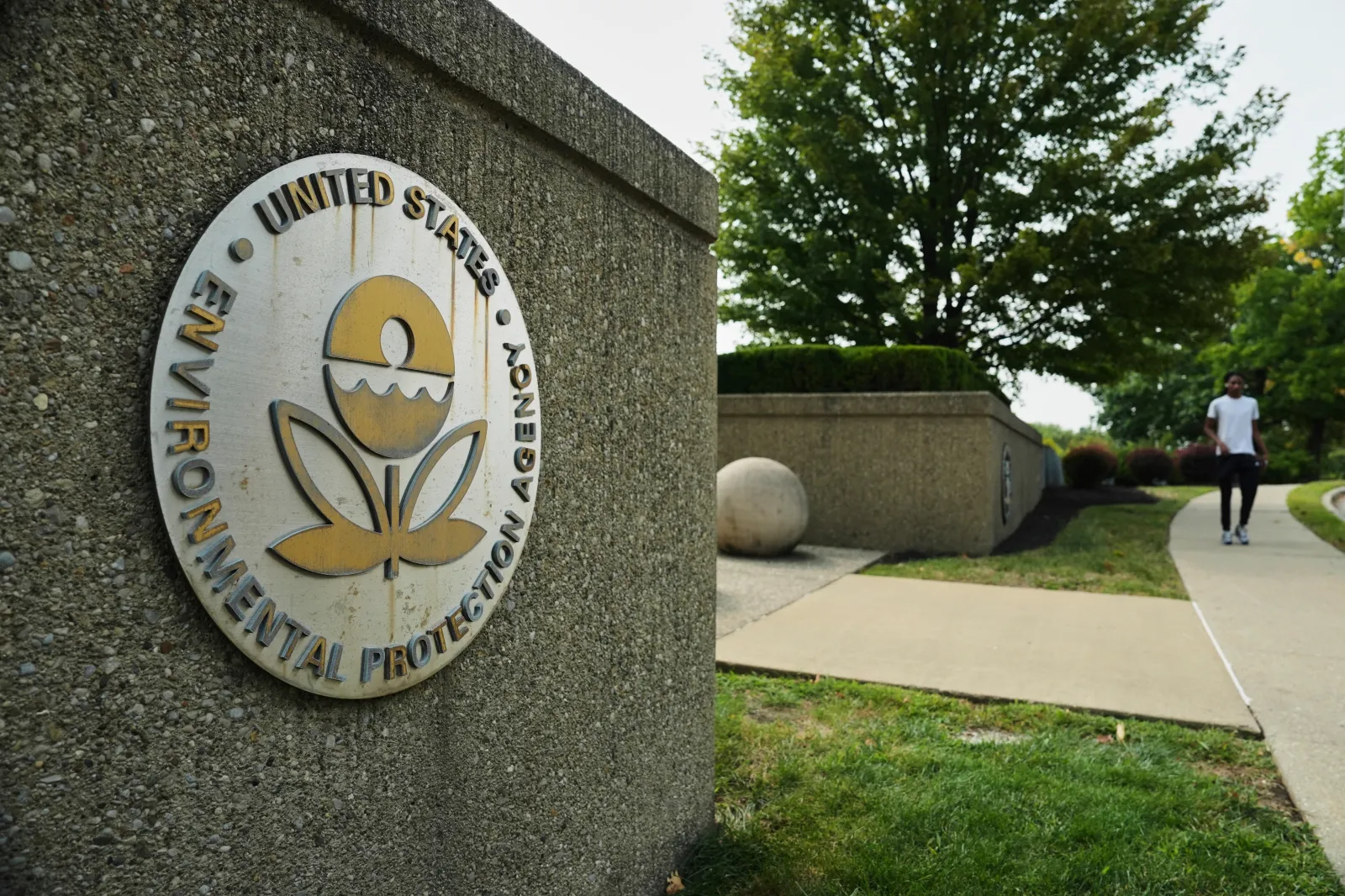
The U.S. Environmental Protection Agency (EPA) has proposed a rule to ease reporting requirements for perfluoroalkyl and polyfluoroalkyl substances (PFAS), covering data from 2011 to 2022. This change, open for public comment for 45 days, could significantly affect chemical importers, distributors, and manufacturers by reducing disclosure obligations for low-concentration PFAS in mixtures, imported products, and byproducts. Overseas buyers should monitor this development as it may alter supply-chain transparency and compliance costs.
Proposed rule changes
The EPA's proposed amendment would exempt companies from reporting PFAS in mixtures or products at concentrations of 0.1 percent or lower, as well as in imported articles, certain byproducts, impurities, research and development chemicals, and non-isolated intermediates. The agency cites a need to minimize compliance costs for smaller firms and avoid "unnecessary or duplicative reporting." EPA Administrator Lee Zeldin stated the rule aims to "combat PFAS contamination without placing ridiculous requirements on manufacturers, especially the small businesses that drive our country’s economy."
Regulatory context and rollbacks
This proposal follows a series of EPA rollbacks under the current administration, including efforts to reverse standards for three PFAS chemicals in drinking water and to weaken broader toxic chemical regulations under the Toxic Substances Control Act (TSCA). In 2023, the Biden administration had attempted to close a loophole allowing companies to avoid PFAS reporting, but the Trump-era EPA now seeks to relax those requirements. The agency argues the changes will reduce regulatory burdens while still addressing contamination.
Concerns from experts and environmentalists
Environmental groups and public health experts have strongly criticized the proposed rule. Kyla Bennett, a former EPA official, warned that the exemptions create "loopholes for chemical companies," allowing them to hide PFAS use. Richard Brown of the Environmental Working Group called the imported-product exemption "most alarming," noting that PFAS are toxic at extremely low concentrations, and the 0.1% threshold could still result in large total volumes. He also flagged exemptions for byproducts and research chemicals as enabling companies to avoid oversight.
What buyers should watch
Importers and distributors of chemicals, especially those handling PFAS-containing products, should assess how these changes might affect their supply-chain transparency and compliance obligations. The proposed rule could reduce the need for detailed PFAS reporting, potentially lowering administrative costs but also limiting visibility into chemical content. Overseas buyers relying on U.S.-sourced materials should monitor the comment period and final rule, as it may influence future regulatory trends in other markets. Staying informed about PFAS-related regulations is critical for managing risk and ensuring product safety.
China sourcing context
While this rule is specific to the U.S., it may have indirect implications for Chinese chemical exporters. If U.S. reporting requirements are loosened, Chinese suppliers could face less demand for detailed PFAS disclosures from American buyers, potentially simplifying export documentation. However, other major markets like the EU are tightening PFAS regulations, so Chinese manufacturers should maintain robust tracking of PFAS content to meet global standards. The divergence in regulatory approaches underscores the need for flexible compliance strategies.
Source: Read the original report | Published: November 13, 2025