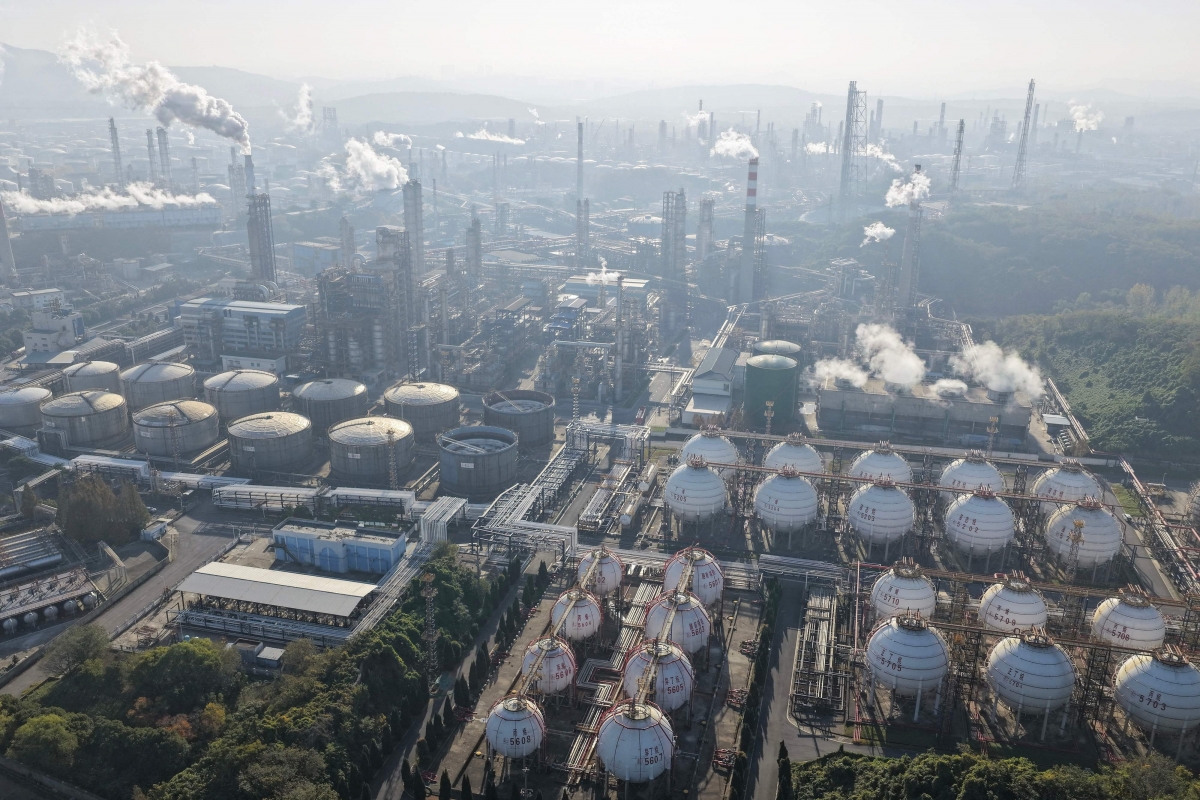
China's polyethylene production is set to surge 18% in 2025, far outpacing domestic demand growth of 10%, according to a Bloomberg report citing Chinese consultancy JLC. The oversupply is driving down global prices and forcing Chinese producers to export aggressively, especially to Southeast Asia, intensifying pressure on already struggling petrochemical industries in South Korea and Europe. Overseas buyers should monitor this trend for potential price drops and supply shifts.
Production capacity expansion
China's polyethylene production capacity is expected to grow another 16% in 2026, JLC data shows. The country has built seven large-scale petrochemical hubs over the past decade, overtaking the US as the top producer of ethylene and polyethylene used in plastics, rubber, and fibers. New plants include ExxonMobil's facility in Guangdong and Ningxia Baofeng Energy's coal-chemical plant in Inner Mongolia. BASF SE's Guangdong complex, originally slated for 2025 startup, may face delays.
Export surge and market shift
China's polyethylene exports to Vietnam surged 88% in the first ten months of 2025, JLC reported. Exports to the Philippines, Bangladesh, Saudi Arabia, and Africa also increased. As China reduces imports—down 13% this year—other countries must find new markets or shut export-oriented refineries. China imported about 15 million tons of polyethylene last year, more than Europe's total demand.
Price and profit pressure
China's most-traded polyethylene futures contract on the Dalian Commodity Exchange fell 13% in 2025. Sinopec, China's largest oil-based ethylene producer, reported significant losses in its chemical business this year. The oversupply mirrors broader issues in China's steel and solar industries, fueling trade tensions with major partners.
What buyers should watch
Overseas buyers should expect continued downward pressure on polyethylene prices as Chinese capacity expands. European producers, already hit by high energy costs since Russia's invasion of Ukraine, face existential threats. "China's domestic production increase could be the final blow for high-cost European producers struggling in an already oversupplied market," said Philip Gertz, an analyst at BloombergNEF. Buyers may find opportunities in lower prices but should also prepare for potential supply disruptions as global trade flows realign.
Source: Read the original report | Published: December 03, 2025