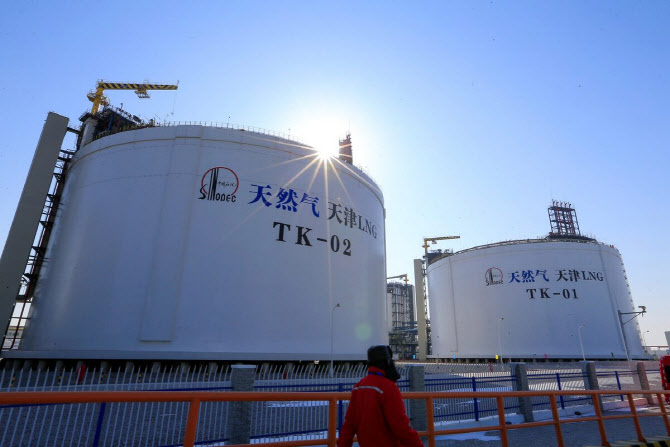
China is rapidly commissioning new mega petrochemical plants, driving a surge in polyethylene output that is reshaping global supply chains. Overseas buyers should prepare for sustained price pressure and shifting trade flows as China's excess production floods export markets.
Supply-chain impact
China's polyethylene production is expected to rise 18% this year, while domestic demand growth lags at 10%, according to Chinese industry data provider JLC. As a result, imports are forecast to drop 13%, squeezing suppliers who have long relied on the Chinese market. The country, already the world's largest plastics consumer, imported 15 million tonnes of polyethylene last year—more than all of Europe combined.
New capacity wave
Major facilities coming online include ExxonMobil's plant in Guangdong, the Ningxia Baofeng Energy coal-to-chemicals complex in Inner Mongolia, and BASF's integrated site in Guangdong, which is expected to start production soon. These additions are deepening structural imbalances in the chemical market, said Liu Bowen, a JLC researcher, who forecasts another 16% capacity increase next year.
Price and trade pressure
Polyethylene futures on the Dalian Commodity Exchange have fallen 13% this year. China's exports are expanding rapidly to Vietnam (up 88% year-on-year through October), the Philippines, Bangladesh, Saudi Arabia, and Africa. High-cost European producers, already struggling with energy costs after Russia's invasion of Ukraine, face a new wave of low-priced Chinese supply.
What buyers should watch
Importers and distributors should monitor China's export volumes to Southeast Asia and Africa, as these markets are absorbing the surplus. European buyers may see more competitive pricing but also face potential antidumping investigations. The structural oversupply suggests polyethylene prices could remain under pressure for the next 12-18 months, benefiting downstream formulators but squeezing upstream producers.
China sourcing context
China's self-sufficiency drive in polyethylene is altering traditional trade routes. Buyers who previously sourced from the Middle East or North America may find Chinese material increasingly available at competitive prices. However, quality consistency and logistics reliability should be verified, especially from new coal-to-olefins plants. The shift also raises questions about long-term supply diversification strategies.
Source: Read the original report | Published: December 04, 2025