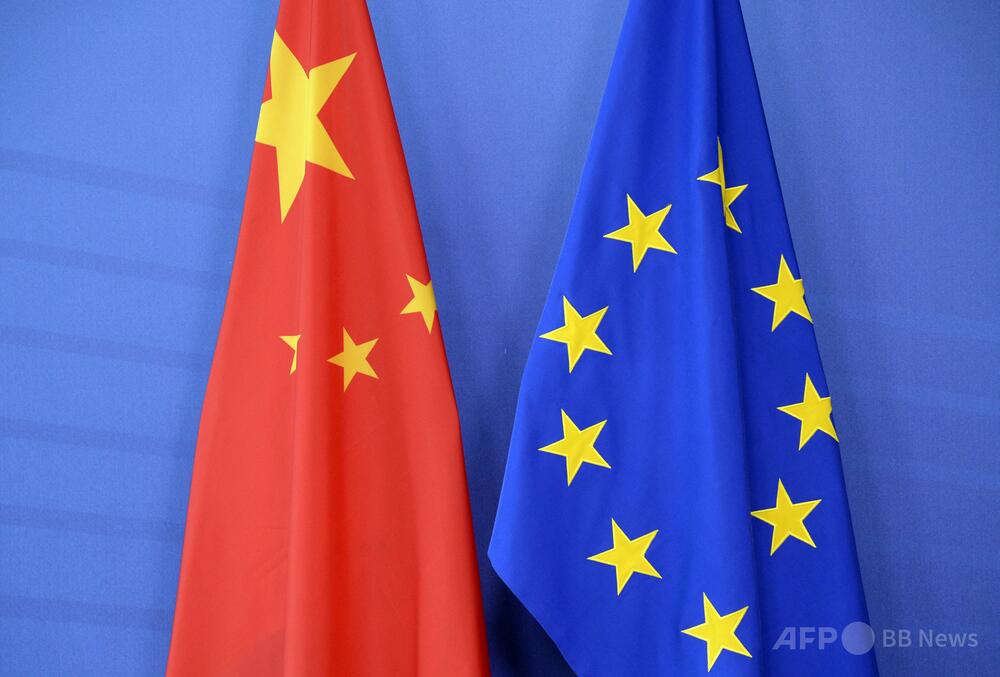
EU member states have agreed to impose a flat tariff of €3 (about ¥550) on imports valued under €150 (about ¥27,400) starting July 2026, targeting the surge of cheap goods from Chinese e-commerce platforms like SHEIN, Temu, and AliExpress. This move directly impacts chemical supply chains, as many low-value chemical products—such as personal-care ingredients, industrial solvents, and food additives—are shipped via these channels, potentially raising costs for importers and distributors.
Background and scale of the issue
In 2024, the EU imported 4.6 billion low-value items, averaging over 145 per second, with 91% originating from China. This volume is expected to grow, straining customs and creating competitive disadvantages for EU-based retailers who must comply with stricter product regulations.
Tariff implementation timeline
The tariff will be introduced provisionally on July 1, 2026, and will remain in effect until the EU develops a permanent solution for taxing low-value imports. The European Council stated that the current duty-free status of these goods leads to unfair competition, consumer health and safety risks, fraud, and environmental concerns.
Impact on chemical supply chains
Chemical buyers should note that many specialty chemicals, including cosmetic ingredients, water-treatment agents, and fine chemicals, are often shipped in small quantities via these platforms. The new tariff will increase procurement costs for formulators and manufacturers who rely on cost-effective Chinese sourcing for low-volume orders.
What buyers should watch
Importers and distributors should monitor EU customs updates for specific product classifications and potential exemptions. The temporary nature of the tariff suggests possible adjustments, but planning for higher landed costs is advisable. French Finance Minister Laurent Lescure called the measure "a major victory for the EU," emphasizing that "Europe is taking concrete steps to protect its single market, consumers, and sovereignty."
China sourcing context
With 91% of low-value imports coming from China, the tariff directly targets Chinese e-commerce platforms. This may prompt Chinese suppliers to adjust pricing or logistics strategies, potentially affecting global chemical trade flows. Buyers should explore alternative sourcing or bulk purchasing to mitigate cost increases.
Source: Read the original report | Published: December 13, 2025