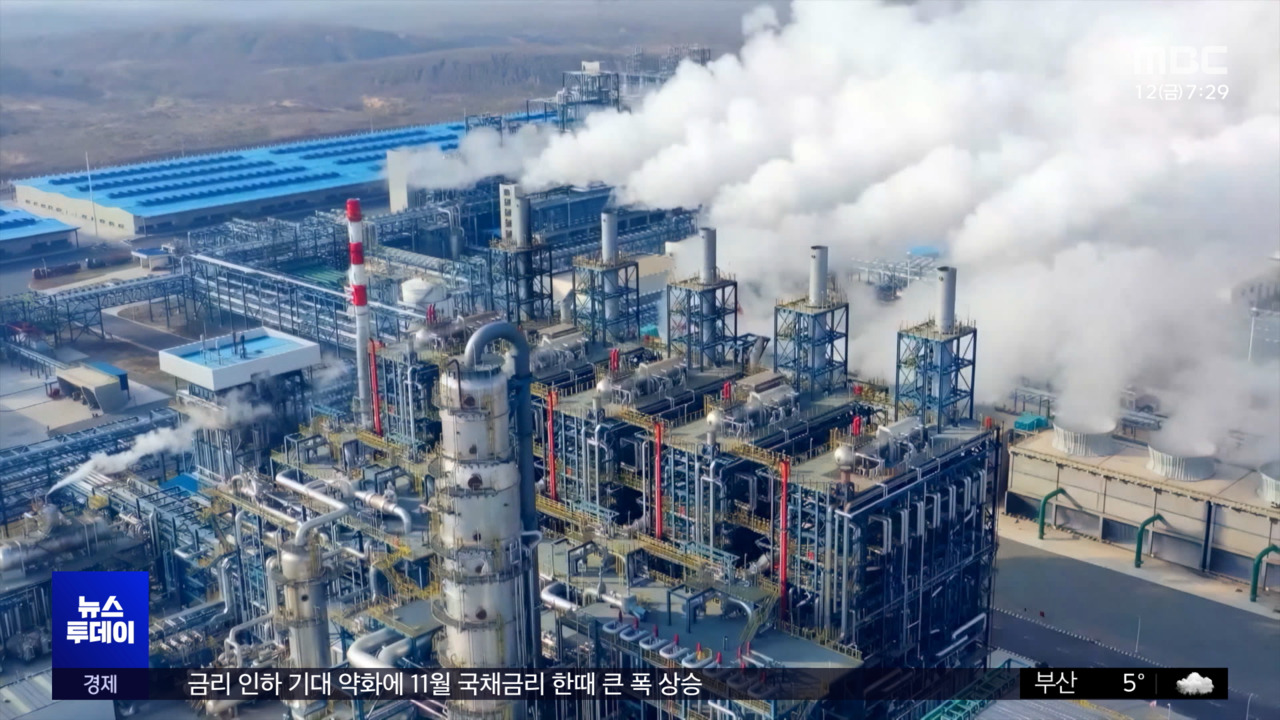
South Korea's petrochemical industry is facing an unprecedented downturn driven by China's massive oversupply of basic chemicals. As Chinese self-sufficiency in petrochemicals has surged to 80% over the past decade, Korean exporters are losing their largest market and now compete with Chinese producers globally. This report examines how Japan restructured its petrochemical sector 20 years ago to survive a similar crisis, offering lessons for today's buyers and suppliers.
The crisis in South Korea
China's oversupply impact
China was once the top export destination for Korean petrochemical products. However, over the last decade, China has aggressively expanded its own petrochemical capacity, raising its self-sufficiency rate to 80%. This has squeezed Korean exporters out of their primary market and forced them to compete with Chinese producers in other regions.
Japan's structural reform model
Japan faced a similar global oversupply crisis about 20 years ago. The government, led by the Ministry of Economy, Trade and Industry, spearheaded a restructuring effort through a council called "Ring" involving about 20 companies. This body coordinated the consolidation and management of commodity product facilities and adjusted supply based on demand forecasts.
Shift to specialties
Under the Ring framework, Japanese companies stopped competing in commodity products. Instead, they jointly reduced capacity and formed separate joint ventures to manage production. This painful restructuring allowed Japan to pivot to high-value specialties. Today, Japan holds 90% of the global market for photoresist, a key semiconductor material.
What buyers should watch
For overseas buyers of petrochemicals, the ongoing restructuring in Asia signals potential shifts in supply availability and pricing. South Korean producers may accelerate their own move toward specialties, potentially reducing commodity supply. Meanwhile, Chinese oversupply could keep commodity prices under pressure. Buyers should monitor capacity adjustments and joint venture formations in the region.
Source: Read the original report | Published: December 12, 2025