A Taiwan defense procurement tender for RDX explosive raw material, awarded to a company primarily engaged in interior decoration with a capital under NT$20 million, has sparked controversy over its lack of professional qualifications. Defense expert Su Tzu-yun notes that while the bid is legally valid under current trade regulations, the sensitive nature of RDX demands stricter oversight and chemical expertise to ensure safe handling and transport, urging the Ministry of National Defense to raise selection criteria.
Tender controversy
Taiwan's Ministry of National Defense awarded a tender for RDX (cyclotrimethylenetrinitramine) explosive raw material, known as "RDX Hai Sao Geng," to Fumai Company, a firm whose primary business is interior decoration. Legislators questioned the company's ability to safely handle and transport such hazardous materials, given its lack of experience in chemical or military logistics.
Expert analysis on legality and risks
Su Tzu-yun, director of the Institute for National Defense and Security Research, stated that the bid is legal under current regulations, as the company holds an international trade license. However, he emphasized that legality does not equate to competence, especially for sensitive military chemicals like RDX, which require strict temperature, humidity, and static electricity control during transport.
International shipping standards
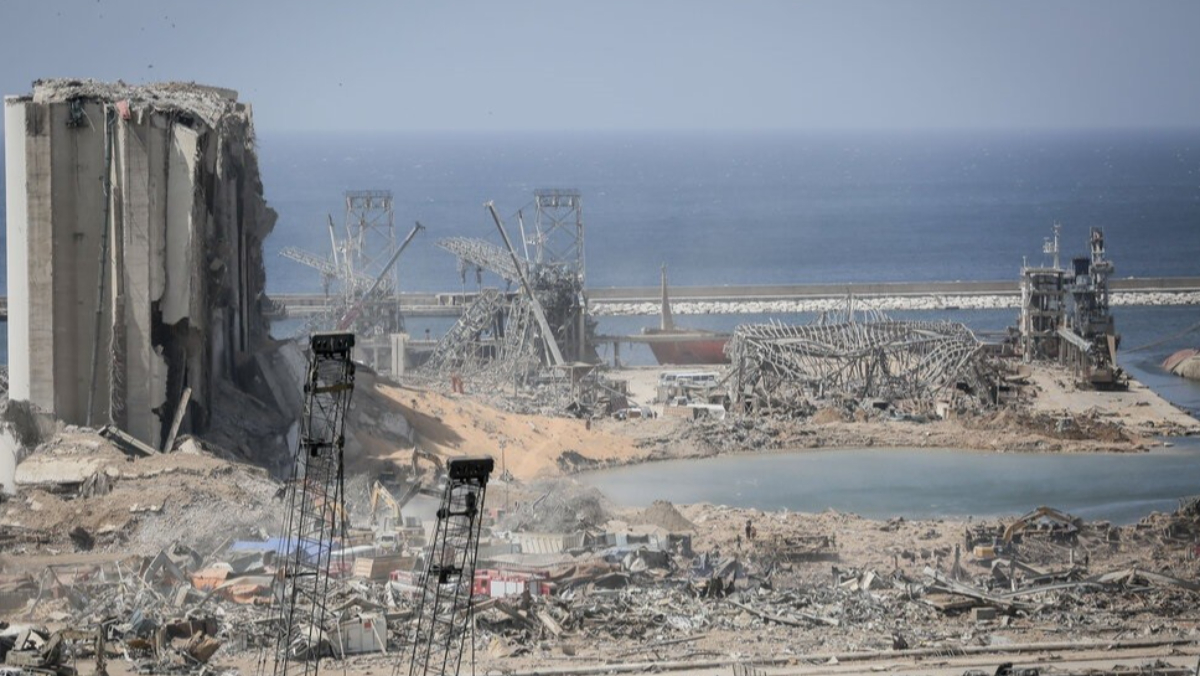
Su highlighted that shipping RDX must comply with the International Maritime Dangerous Goods (IMDG) Code and the International Convention for the Safety of Life at Sea (SOLAS). These regulations mandate detailed emergency response plans, safety data sheets, and specialized stowage to prevent accidents, such as the 1917 Halifax explosion or the 2020 Beirut port blast.
Strategic importance of RDX
RDX is a key component in explosives like C4 plastic explosives and, as HMX, serves as a solid propellant for rockets and missiles. Su noted that these materials are highly sensitive and require professional handling from sourcing to delivery, including export controls from Western suppliers like the United States.
What buyers should watch
Overseas chemical buyers should note that Taiwan's defense procurement process may face increased scrutiny and higher qualification thresholds for hazardous material tenders. This could impact supply chains for military-grade chemicals, requiring suppliers to demonstrate proven expertise in dangerous goods logistics and chemical handling to maintain market access.
Source: Read the original report | Published: December 13, 2025