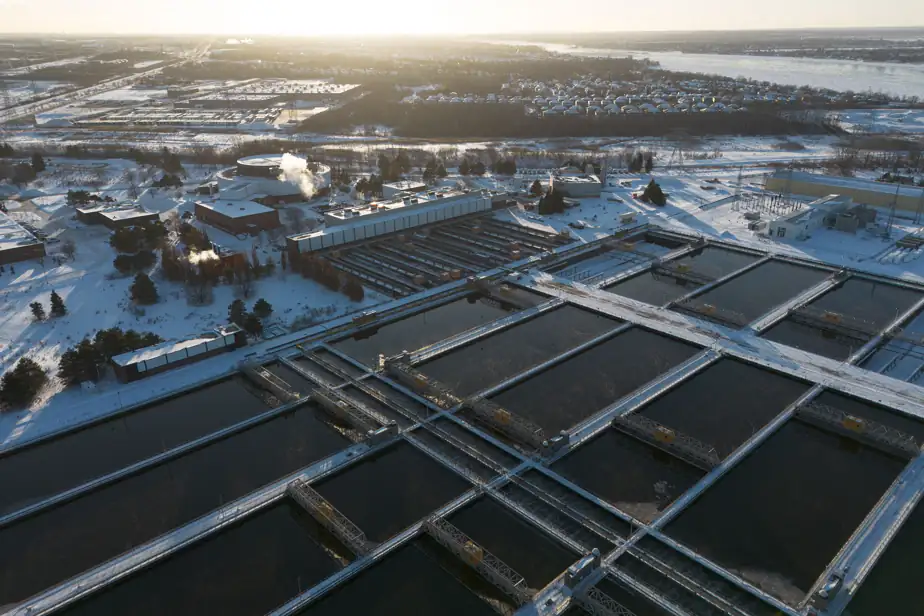
Montreal's shift to cheaper wastewater treatment chemicals to offset soaring prices has triggered a surge in odor complaints, highlighting a supply-chain dilemma for municipal buyers worldwide. The city's experience underscores the trade-offs between cost savings and performance in water treatment chemicals, a key concern for importers and distributors serving municipal clients.
The cost crunch
Montreal's water service budget for treatment chemicals is projected to hit CAD 30 million next year, a 50% increase from five years ago. The spike is driven by rising energy costs and raw material prices for iron and aluminum derivatives, according to Benoit Barbeau, a professor at Polytechnique Montreal. A supplier representative, speaking anonymously, also cited higher transport costs and stricter municipal standards boosting demand.
The chemical switch
To cut expenses, Montreal has been substituting ferric chloride—a coagulant that binds fine particles—with alum, an aluminum-based alternative that costs about half as much. In 2025, the city spent CAD 14.3 million on alum versus just CAD 1.08 million on ferric chloride. However, alum is less effective at controlling hydrogen sulfide (H₂S) odors, which produce a rotten-egg smell.
Odor complaints spike

Odor complaints at the Jean-R.-Marcotte treatment plant jumped from five in 2024 to 33 last year. Residents near the facility, like Charly Chartouny and Stéphane Horvat, report persistent stench. City officials confirm the odors stem from the chemical switch, not from ongoing construction of a new ozonation plant. The plant's open-air infrastructure exacerbates dispersion.
What buyers should watch
Montreal's experience is a cautionary tale for municipal buyers and their chemical suppliers. While alum offers immediate cost relief, its reduced odor-control performance can lead to public backlash and potential regulatory pressure. Importers and distributors should monitor shifts in municipal procurement toward lower-cost coagulants, as this may create demand for complementary odor-control solutions or alternative coagulants that balance cost and efficacy.
Compliance and logistics signals
The city is still testing ferric chloride-alum blends to optimize dosage, saving CAD 1.8 million last year. However, unusually arid summer conditions increased H₂S formation, complicating results. Water treatment plant manager Stéphane Bellemare expects fewer complaints next summer, but the trial-and-error approach signals ongoing supply-chain uncertainty for coagulant sourcing. Buyers should prepare for potential shifts in demand patterns as municipalities seek cost-effective yet compliant solutions.
Source: Read the original report | Published: January 21, 2026