China has initiated an anti-dumping investigation into dichlorosilane imported from Japan, a key chemical used in semiconductor chip manufacturing. This move follows Beijing's recent ban on rare earth exports to Japan and signals an escalation in trade tensions that could disrupt supply chains for overseas buyers of specialty chemicals and electronic materials.
Investigation details
China's Ministry of Commerce announced on January 7 that it would begin the anti-dumping probe into Japanese dichlorosilane, effective immediately. The dumping investigation period covers July 1, 2024, to June 30, 2025, while the injury investigation period spans January 1, 2022, to June 30, 2025. The ministry stated that a review of the application from a Chinese company confirmed the probe met initiation requirements.
Broader export controls
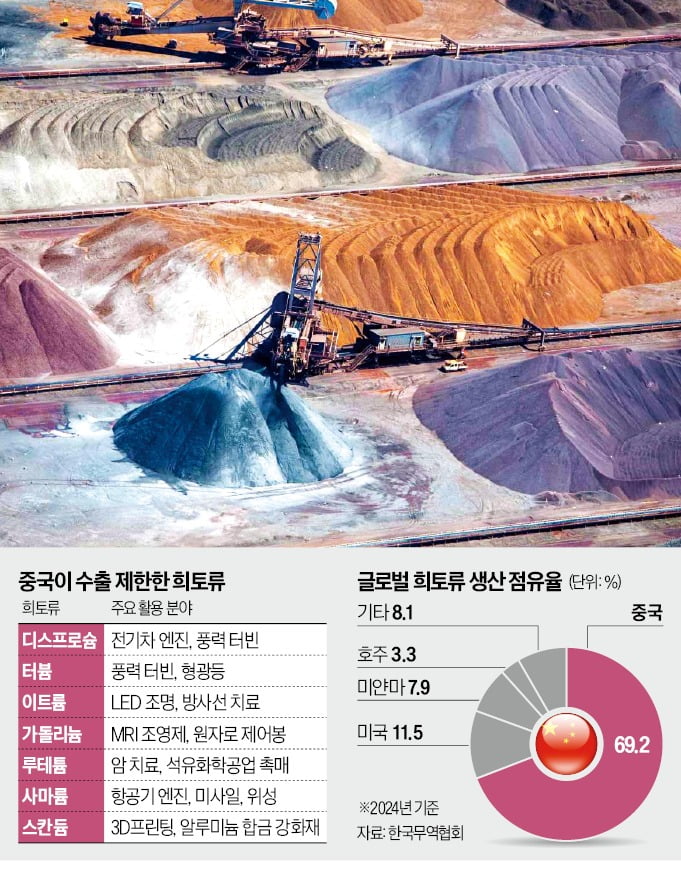
On January 6, the ministry issued a notice strengthening export controls on dual-use goods to Japan, banning exports of all such items to Japanese military end-users and any end-use that supports Japan's military capabilities. Dual-use goods include rare earths and semiconductor materials where China dominates global supply. Local media described the measures as the strongest retaliation against Japan in years.
Political context
Chinese officials linked the trade actions to Japanese Prime Minister Shigeru Ishiba's remarks about potential intervention in a Taiwan contingency. Foreign Ministry spokesperson Mao Ning stated on January 7 that such comments violate China's sovereignty and territorial integrity, urging Japan to retract them. The Chinese military also framed the export ban as a response to Japan's military buildup.
What buyers should watch
Overseas importers and distributors of dichlorosilane and other semiconductor-grade chemicals should monitor the investigation's outcome, which could lead to anti-dumping duties or further export restrictions. The expansion of dual-use controls may also affect supply of rare earths and other critical materials. Buyers relying on Japanese sources may need to diversify suppliers or accelerate qualification of alternative chemical grades from other regions.
Source: Read the original report | Published: January 07, 2026