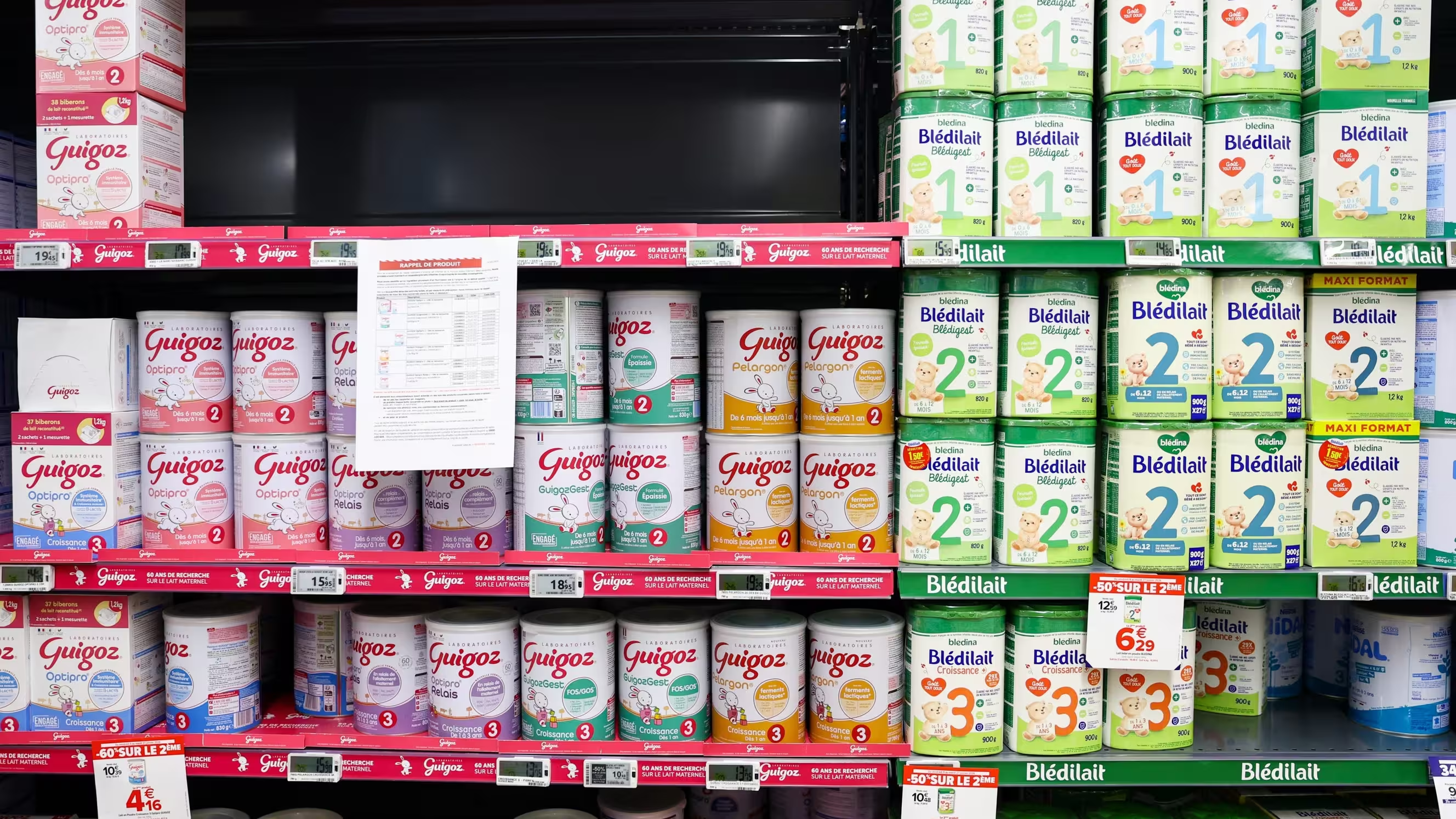
Chinese biotech firm Cabio Biotech, based in Wuhan, is under suspicion for producing the chemical substance linked to a global infant formula contamination scandal. The case has triggered product recalls, legal action in France, and renewed scrutiny of China's dairy supply chain. Overseas buyers of infant formula ingredients should monitor developments closely, as the implicated substance—arachidonic acid (ARA)—is a common additive produced by few global suppliers.
The contamination and supplier link
Cabio Biotech, known in Chinese as Jiabiyou, is suspected of manufacturing the chemical that contaminated infant formula products. While no official accusation has been made, a growing body of evidence points to the company. In France, two investigations have been opened, and a complaint was filed on January 29 by Foodwatch and eight families after the deaths of two infants.
Market signals and company response
/2026/01/29/maxbestof339574-697b5bec929be097772226.jpg)
State media in China reported that Cabio Biotech's stock price on the Shanghai stock exchange collapsed shortly after Nestlé initiated the first powdered milk recalls, implying market awareness of the company's potential involvement. Cabio Biotech has not publicly responded, stating only that analyses are ongoing and results are pending. However, the company reportedly alerted at least one client, Nutribio, which then withdrew products from sale.
Nestlé's reference and ARA production
Nestlé has pointed to a "major supplier" without naming names, but the description fits Cabio Biotech's profile. The company is one of the few global producers of arachidonic acid (ARA), the chemical at the center of the contamination. ARA is commonly added to infant formula to support infant development, making the supply-chain implications significant for formula manufacturers worldwide.
Historical context and buyer caution
/2026/01/29/maxbestof339574-697b5bec929be097772226.jpg)
This scandal echoes China's 2008 melamine milk crisis, which poisoned 300,000 children and killed six. That event left deep consumer distrust in China's dairy industry. Now, with a Wuhan-based company potentially involved, Chinese consumers are again on high alert. Overseas buyers sourcing ARA or other infant formula ingredients from Chinese suppliers should verify quality controls and consider alternative sourcing options.
What buyers should watch
Importers and formulators of infant formula should closely track regulatory updates from Chinese authorities and any official findings on Cabio Biotech. The case may lead to tighter export controls or certification requirements for ARA and other nutritional additives. Diversifying supplier bases and conducting independent audits of chemical purity could mitigate supply-chain risks.
Source: Read the original report | Published: January 29, 2026