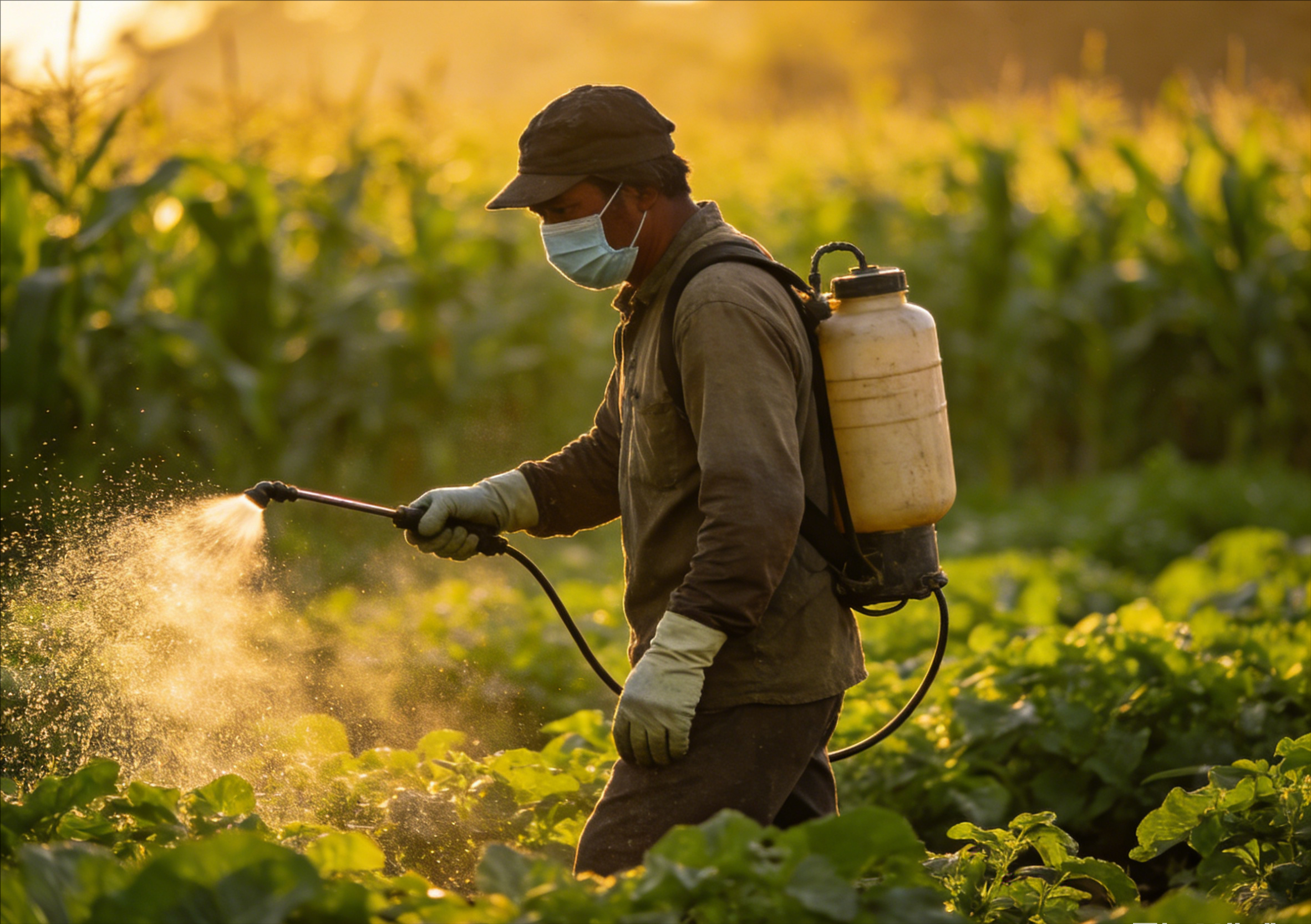
China will abolish export tax rebates for several pesticide active ingredients, including glyphosate, acetamiprid, and malathion, effective April 1, 2026, according to a joint announcement by the Ministry of Finance and the State Taxation Administration. The policy shift is expected to accelerate structural upgrades in the pesticide industry, favoring formulation exports and technologically advanced producers. Overseas buyers should prepare for potential short-term price surges and supply chain adjustments before the deadline.
Policy details and affected products
The announcement, which primarily targets photovoltaic equipment, also lists pesticide active ingredients such as glyphosate, refined glyphosate, acetamiprid, malathion, propamocarb, ethephon, aluminum phosphide, and diazinon. Export tax rebates for these products will be eliminated from April 1, 2026. Notably, the policy excludes pesticide formulations, signaling government encouragement for deeper processing and value-added exports.
Market context and industry performance
In 2025, the pesticide active ingredient market faced overall pressure, with the Zhongnong Lihua Active Ingredient Price Index at 70.94 points, down 2.67% year-on-year. However, glyphosate demand stood out: China's glyphosate production surged from 18,300 tons in 2020 to 120,400 tons in 2025—a 658.38% increase. Industry operating rates remained above 80% for eight consecutive months, indicating a supply-demand balance superior to the sector average.
Formulation export trend
Official data shows China's pesticide formulation exports reached 61.36 billion yuan in 2024, surpassing active ingredient exports for the first time and accounting for 54.12% of total exports. This trend toward formulation transformation aligns with the policy's exclusion of formulation rebates, encouraging the industry to extend into deeper processing.
What buyers should watch
In the short term, during the policy window before April 2026, overseas customers seeking to avoid rising costs are expected to place orders in advance, potentially triggering a temporary surge in export demand. Combined with domestic spring plowing inventory needs, prices for related products like glyphosate may experience temporary increases. Medium to long term, the industry will undergo structural reshaping, with resources likely concentrating in technologically advanced leading enterprises possessing full formulation industry chain capabilities. Green sectors like biological pesticides and high-end fungicides will become innovation focal points, with biological pesticide active ingredients accounting for 68% of new pesticide registrations planned for 2025.
Source: Read the original report | Published: January 22, 2026