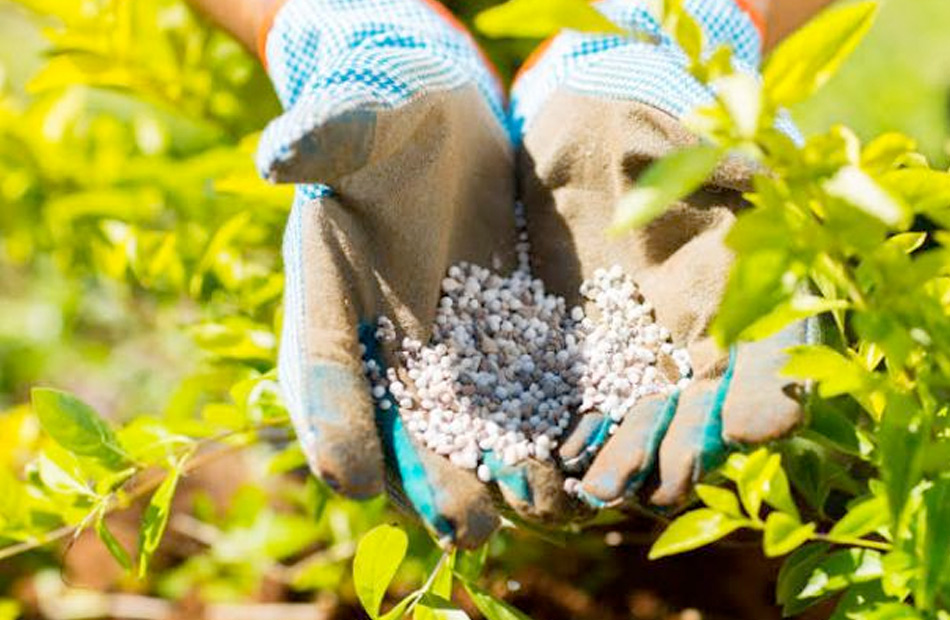
Egypt's fertilizer and agricultural chemicals market showed notable divergence on Saturday, January 17, with ammonium sulfate prices falling over 12% in the free market, offering buyers a cost-saving opportunity. Meanwhile, the government continues to stabilize subsidized fertilizer prices through agricultural cooperatives to support winter strategic crop production costs. This update provides key price data and production figures relevant for overseas importers and distributors monitoring the North African market.
Free market prices
Free-market fertilizer prices in Egypt are flexible based on supply and demand. As of January 17, ammonium sulfate was quoted at EGP 16,733 per ton, down 12.2%. Other key prices include: general fertilizers at EGP 18,099/ton, urea at EGP 24,700/ton, and ammonium nitrate at EGP 23,200/ton. These movements reflect market dynamics that overseas buyers should track for sourcing opportunities.
Subsidized fertilizer prices (agricultural cooperatives)
Official subsidized prices remain stable to support farmers: nitrate fertilizer at EGP 7,800/ton, phosphoric acid at EGP 16,300/ton, potassium sulfate/calcium nitrate at EGP 21,000/ton, magnesium sulfate at EGP 6,800/ton, phosphate (coarse/fine) ranging EGP 2,225-2,275/ton, fertilizer bag at EGP 1,300, and organic fertilizer at EGP 270 per bag. These fixed prices ensure production cost stability for strategic crops.
Egypt's fertilizer production output
Egypt's Ministry of Agriculture reported 2025 total fertilizer production at 17.9 million tons. Urea output reached 6.7 million tons, with 3.8 million tons exported. Nitrogenous and phosphate fertilizers totaled 11.2 million tons, comprising 7.8 million tons nitrogenous and 3.4 million tons phosphate. Additionally, 7 million tons of phosphate rock and 4 million tons of phosphate fertilizers were produced. The ministry stated these volumes meet domestic demand while supporting exports.
What buyers should watch
The sharp drop in free-market ammonium sulfate prices signals potential oversupply or demand shifts, which could affect global pricing trends for this key nitrogen fertilizer. Overseas importers should monitor Egypt's export volumes, particularly urea at 3.8 million tons exported in 2025, indicating strong supply availability. The stable subsidized prices may also influence regional trade flows as Egypt balances domestic support with export commitments.
Source: Read the original report | Published: January 17, 2026