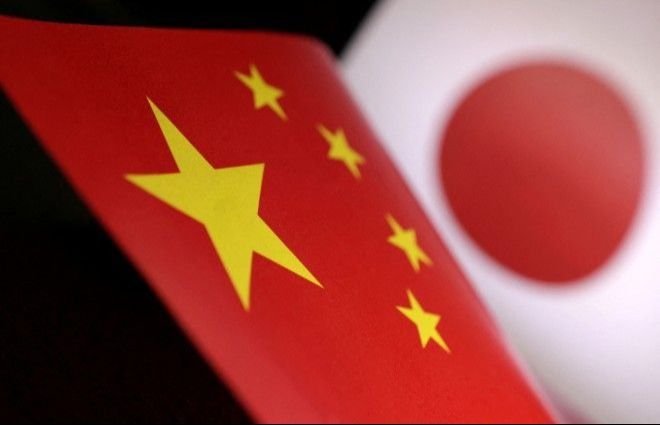
Shares in Japanese chemical manufacturers fell on Thursday after China’s commerce ministry announced an anti-dumping probe into imports of dichlorosilane from Japan, a key chemical used in semiconductor production. The move signals escalating trade tensions between the two countries, with potential implications for global chip supply chains and chemical buyers sourcing from Japan.
Market reaction
Shin-Etsu Chemical shares dropped 4% in early Tokyo trading, while Mitsubishi Chemical fell 1%, compared with flat trading in the benchmark index. The declines reflect investor concern over the impact of the probe on Japan’s chemical exports to China, a major market for specialty gases and silicon-based materials.
Anti-dumping probe details
China’s Ministry of Commerce announced the investigation into dichlorosilane imports from Japan, a chemical used in the production of polysilicon and epitaxial layers for semiconductors. The probe comes amid broader trade friction, with China also this week banning exports of dual-use items to Japan, further tightening controls on strategic materials.
Geopolitical context
Relations between China and Japan have deteriorated since Japanese Prime Minister Sanae Takaichi stated in November that a Chinese attack on Taiwan could be deemed an existential threat to Japan. Beijing called the remark “provocative,” and the anti-dumping probe is seen as part of a pattern of retaliatory trade measures.
What buyers should watch
Chemical importers and distributors should monitor the probe’s timeline and potential retroactive duties, which could raise costs for dichlorosilane sourced from Japan. Buyers may need to diversify supply to South Korea or domestic Chinese producers to mitigate disruption. The probe also signals heightened regulatory risk for other specialty chemicals in the semiconductor supply chain.
Source: Read the original report | Published: January 08, 2026