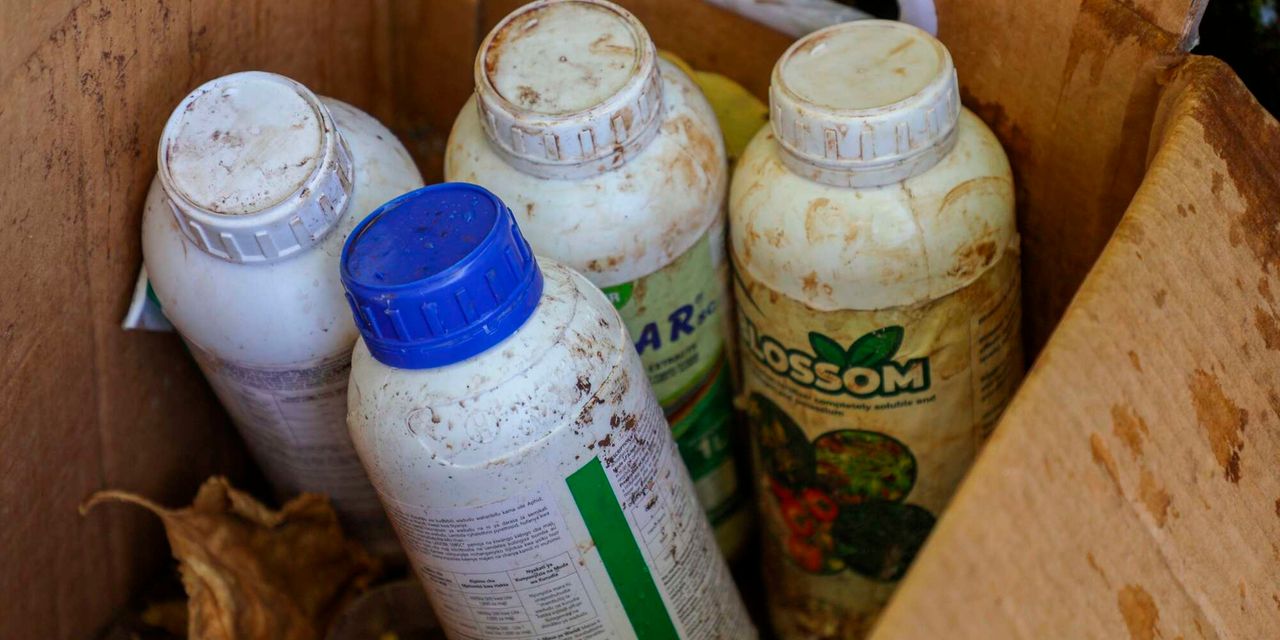
Kenya is facing a deepening pesticide crisis as highly hazardous chemicals, including paraquat and glyphosate, continue to flood the market through porous borders and illicit trade. These substances, often banned in the European Union and other jurisdictions, are linked to rising cancer, infertility, and kidney failure among farming communities. For overseas chemical buyers and supply-chain professionals, the situation underscores critical risks in sourcing, compliance, and due diligence when dealing with agrochemicals destined for African markets.
Scope of the crisis
In regions such as Meru, Mwea, and Naivasha, farmers and flower-farm workers have tested positive for paraquat and glyphosate. A study cited in the report found that 42.9% of highly hazardous pesticides (HHPs) in Kenya are reproductive toxicants, 40% are human carcinogens, and 37.5% of active ingredients are banned in other countries. The health impact is severe: haemodialysis machines in Meru are already at full capacity due to kidney failure linked to chemical exposure.

Illicit trade and border vulnerabilities
Approximately 42% of pesticides imported into Kenya are considered potentially dangerous, according to the report. Smugglers move these chemicals through secret routes from Tanzania, where products such as Snowtiger (chlorfenapyr), Avirmec (abamectin), and Profecron (organophosphate) are sold openly at low prices. The chemicals are repackaged into unlabelled containers and distributed via motorcycles or on foot, evading security agencies.
Farmer awareness and two-tier agriculture

Farmers acknowledge the dangers but continue using banned pesticides to protect yields. A researcher in Meru describes a "two-tier" system: heavily sprayed produce is sold in markets, while farmers grow separate, chemical-free crops for their own consumption. This practice exposes urban consumers to high chemical residues while farming families attempt to shield themselves.
Compliance and logistics signals for buyers
For importers and distributors of agrochemicals, this crisis highlights the need for rigorous supply-chain audits. Products banned in the EU or classified as HHPs by the World Health Organization may still enter Kenya and neighbouring countries through informal channels. Buyers should verify the registration status of active ingredients with Kenyan authorities, monitor border enforcement trends, and ensure that their logistics partners do not inadvertently handle smuggled goods.

China sourcing context
China is a major producer of many active ingredients found in HHPs, including paraquat and chlorfenapyr. While China has restricted domestic use of paraquat, exports continue to global markets. Overseas buyers sourcing from Chinese manufacturers should request certificates of analysis, confirm compliance with Kenya’s Pest Control Products Board regulations, and consider third-party testing to avoid contributing to the illicit trade described in this report.
Source: Read the original report | Published: January 13, 2026