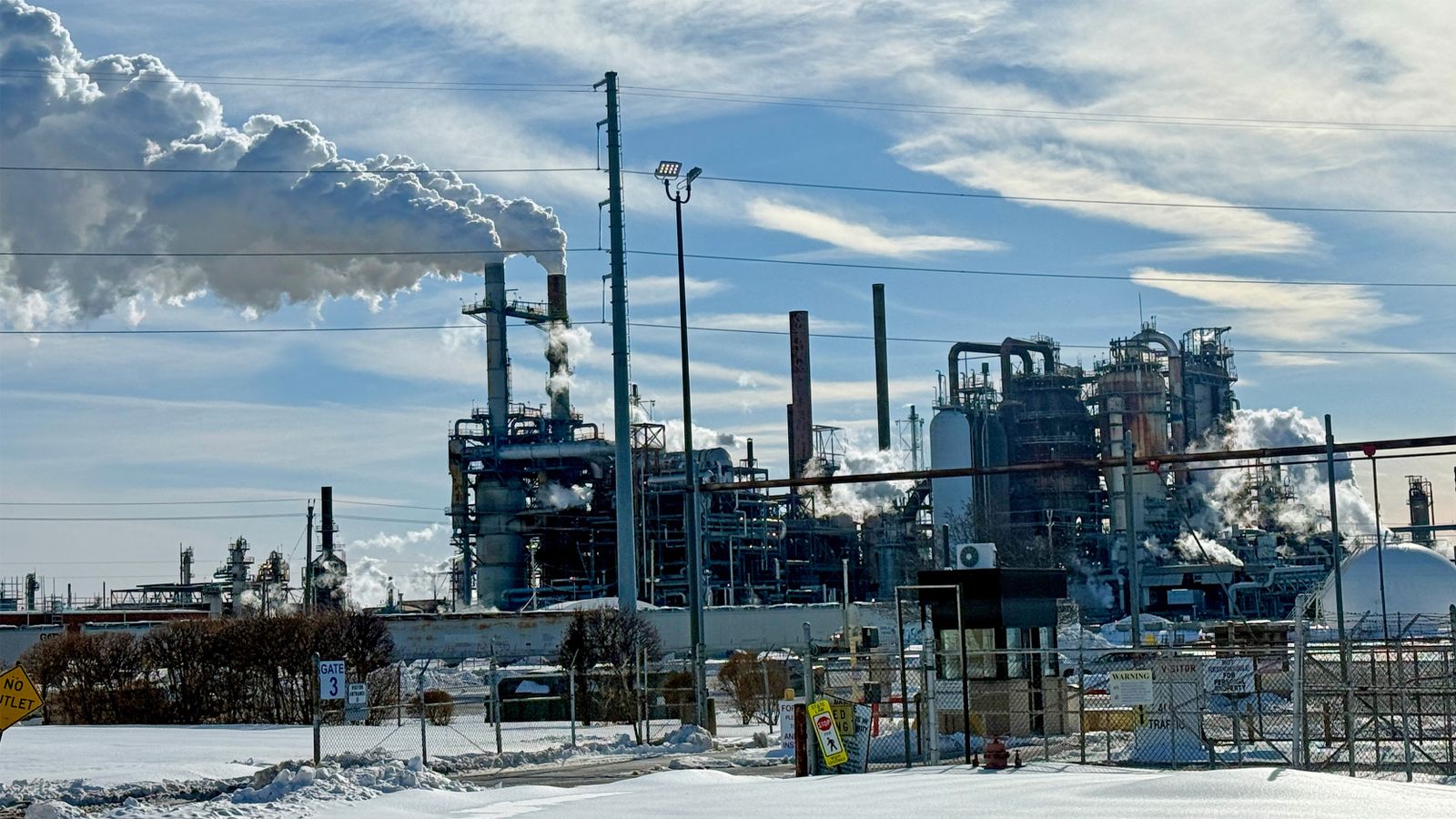
A 71-year-old subcontractor was killed on January 19 after falling into a 6,000-gallon vat filled with mineral oil at the Bayway Chemical Plant in Linden, New Jersey. The incident, which occurred at a facility operated by Infineum, a global lubricant additives producer, highlights ongoing safety risks for subcontracted workers in aging chemical plants, a concern for overseas buyers reliant on U.S. chemical supply chains.
Incident details
The worker, a resident of Iselin, New Jersey, was employed by an unnamed subcontracting firm and was working on top of the vat when he fell inside. Emergency responders recovered his body from the container, and he was pronounced dead at the scene. The Linden Police Department and the Occupational Safety and Health Administration (OSHA) have launched separate investigations, with no findings released yet. Infineum stated it would conduct its own internal investigation and is cooperating with all agencies.
Supply-chain impact
The Bayway Chemical Plant, part of a network of aging industrial facilities in New Jersey's manufacturing corridor, produces lubricant additives used in automotive and industrial applications. Such incidents can disrupt production schedules, potentially affecting supply to downstream buyers in the automotive, machinery, and industrial lubricant sectors. Overseas importers and distributors should monitor for any operational delays or safety-related shutdowns at the plant.
Compliance and logistics signals
OSHA's involvement underscores regulatory scrutiny of workplace safety in U.S. chemical plants. Subcontracted labor, common in maintenance and cleaning tasks, often faces higher risks due to fragmented responsibility between plant operators and contracting firms. Buyers should verify that their suppliers adhere to strict safety protocols and subcontractor oversight to avoid supply chain disruptions from accidents or regulatory penalties.
What buyers should watch
Overseas buyers of lubricant additives and specialty chemicals from Infineum or Phillips 66 affiliates should track the investigation's outcome for potential impacts on plant operations. The incident also highlights broader risks in aging U.S. chemical infrastructure, where deferred maintenance and subcontractor use are prevalent. Diversifying sourcing to plants with modern safety records may mitigate supply risks.
China sourcing context
While this incident is U.S.-specific, it serves as a reminder for Chinese chemical buyers and traders to evaluate safety standards in their own supply chains. Chinese chemical plants, particularly those producing lubricant additives and industrial chemicals, face similar challenges with aging equipment and subcontractor safety. Ensuring compliance with international safety norms can enhance reliability for export markets.
Source: Read the original report | Published: January 19, 2026