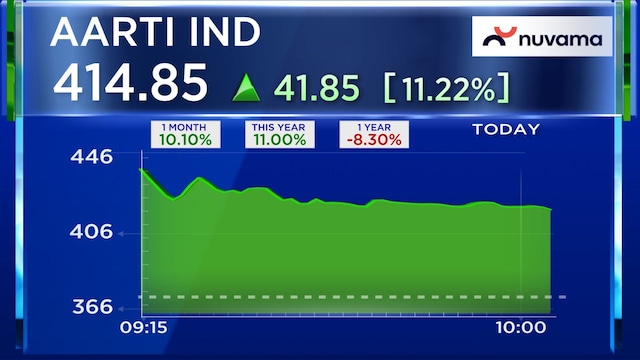
A historic US-India trade agreement, finalized on February 2, 2026, slashes US tariffs on Indian specialty chemical exports from over 50% to 18%, offering a significant cost advantage for overseas buyers sourcing from India. This shift, highlighted by Aarti Industries' CEO, positions Indian suppliers as more competitive than Chinese counterparts facing higher tariffs, potentially reshaping global chemical supply chains for importers and distributors.
Tariff reduction details
The new trade framework reduces US tariffs on Indian chemical exports to a uniform 18%, down from a previous range that often exceeded 50% for many product categories. For Aarti Industries, which generates nearly 17–18% of its revenue from the US, around 40% of its export volumes were previously subject to the highest tariff rates, hurting margins and competitiveness. The revised structure is expected to sharply lower this burden and improve pricing power in the US market.
Competitive positioning against China and Europe
Indian specialty chemical makers now gain a clear edge over Chinese exporters, who continue to face much higher effective US tariffs. While European suppliers remain broadly comparable in cost, Indian producers benefit from lower manufacturing expenses. The US accounts for nearly $6 billion of India’s chemical exports, or about 20% of the total, making this tariff cut a material advantage for buyers seeking alternatives to Chinese supply.
Policy certainty and investment impact
Beyond immediate tariff savings, the agreement provides long-sought policy certainty. Over the past nine months, investment decisions and customer engagements were delayed due to trade rule uncertainty. Suyog Kotecha, CEO of Aarti Industries, noted, "The certainty will help sort of decongest lot of decision making that has got hampered in the last nine months." This clarity is expected to accelerate expansion plans and contract negotiations.
What buyers should watch
Importers and distributors should monitor India’s growing role as a specialty chemical sourcing hub. The India-EU free trade agreement, recently concluded, further strengthens India’s position as European chemical companies rationalize domestic capacity. With lower US tariffs and improved policy stability, Indian suppliers like Aarti Industries offer a competitive alternative for US-bound chemical shipments, potentially reducing reliance on Chinese sources.
Source: Read the original report | Published: February 03, 2026