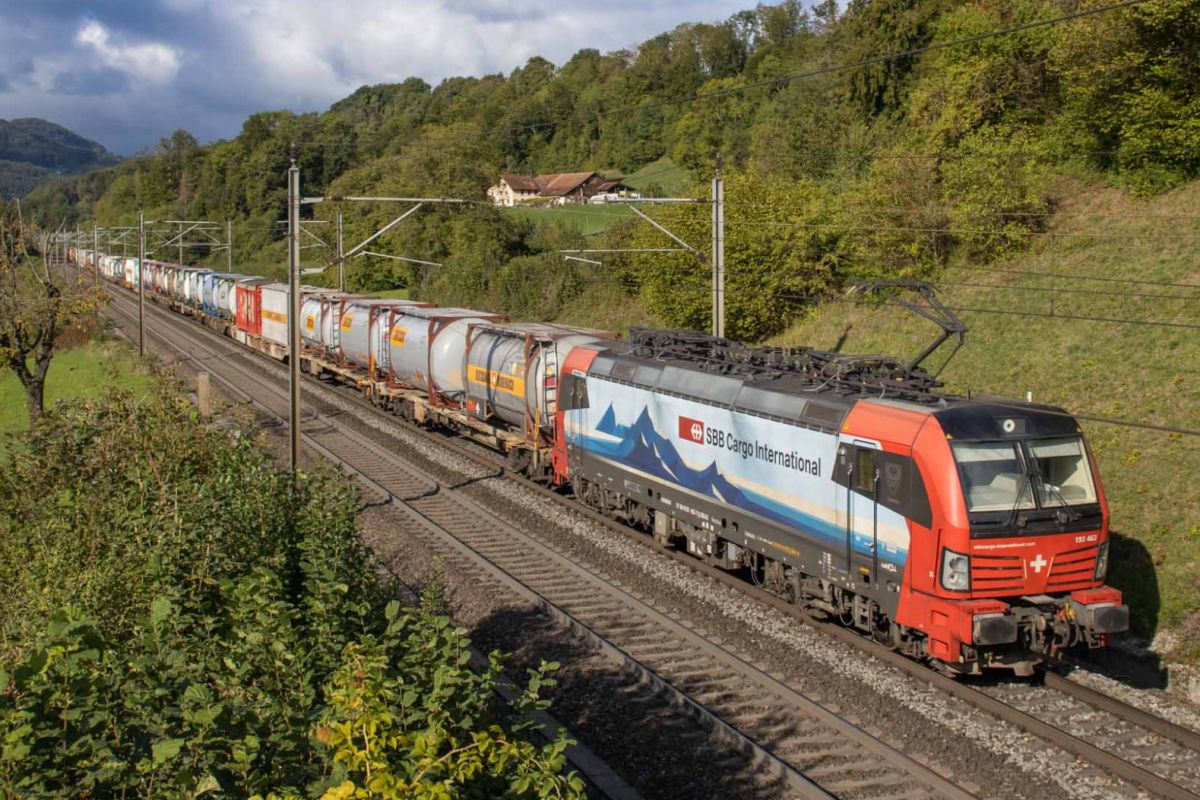
Bertschi Group closed 2025 with turnover of CHF 1.02bn, unchanged year on year, as stagnation in the European chemical industry and shifting global trade flows continued to shape demand. The Swiss logistics provider's continued investment in rail-connected infrastructure signals a strategic bet on intermodal reliability for chemical supply chains, even as market conditions remain challenging in 2026.
European chemical downturn and shifting trade flows
The European chemical downturn persisted through 2025, with further plant closures and ongoing pressure on margins. Tariff and regulatory uncertainty influenced procurement behaviour, while frontloading and friendshoring altered established supply chains. Bertschi reports that import flows from Asia, the Middle East and the Americas gained importance in several product segments, reshaping logistics demand patterns.
Rail-focused infrastructure investments
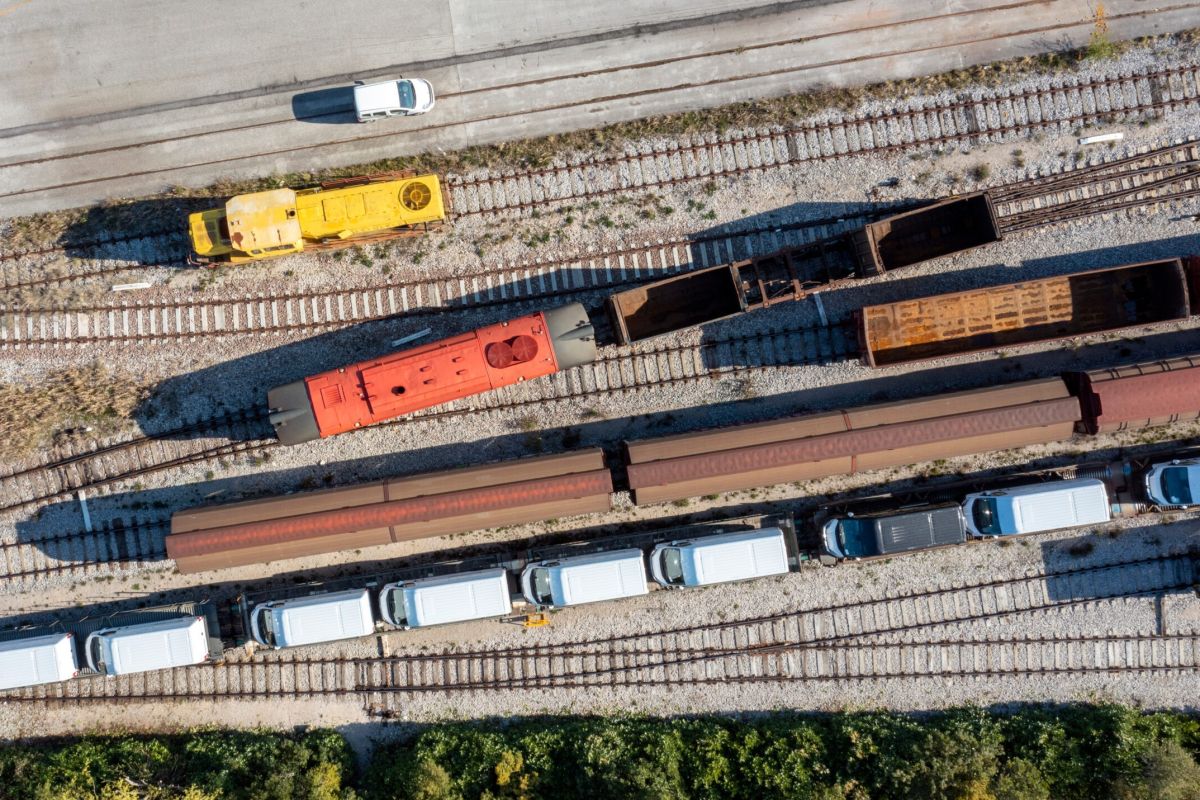
Against this backdrop, the group continued to invest in intermodal and rail-connected infrastructure. In Europe, major projects included the Antwerp Zomerweg Intermodal Terminal and the extension of the Rotterdam Botlek Intermodal Terminal. Both sites integrate rail, barge and road connectivity and include expanded Dangerous Goods isotank storage capacity. Bertschi also acquired land in Middlesbrough to support future expansion of its UK logistics hub.
Rail reliability challenges for chemical logistics
Rail remains a central element of Bertschi's door-to-door chemical logistics model, particularly for European inland distribution from major ports. However, the group notes that rail infrastructure disruption and reliability issues continue to constrain intermodal performance, affecting customers' ability to shift volumes from road to rail. This is a key concern for chemical buyers seeking predictable transport alternatives.
Global network expansion
Internationally, Bertschi expanded its network with new subsidiaries in Mexico, Taiwan and Ningbo, strengthening links between regional rail, port and storage operations. In Asia, the group increased isotank heating capacity at its Singapore hub on Jurong Island and ramped up operations at its Zhangjiagang chemical logistics centre in China, both supporting rail- and barge-connected distribution.

What buyers should watch in 2026
In 2026, Bertschi expects market conditions to remain challenging, with overcapacity and cost pressure across the chemical sector. The group states that its focus will remain on reliability, resilient intermodal transport concepts and selective investment in infrastructure and equipment that support predictable rail-based logistics chains. Chemical importers and distributors should monitor rail service reliability in Europe and Asia as a factor in supply chain planning.
Source: Read the original report | Published: February 11, 2026