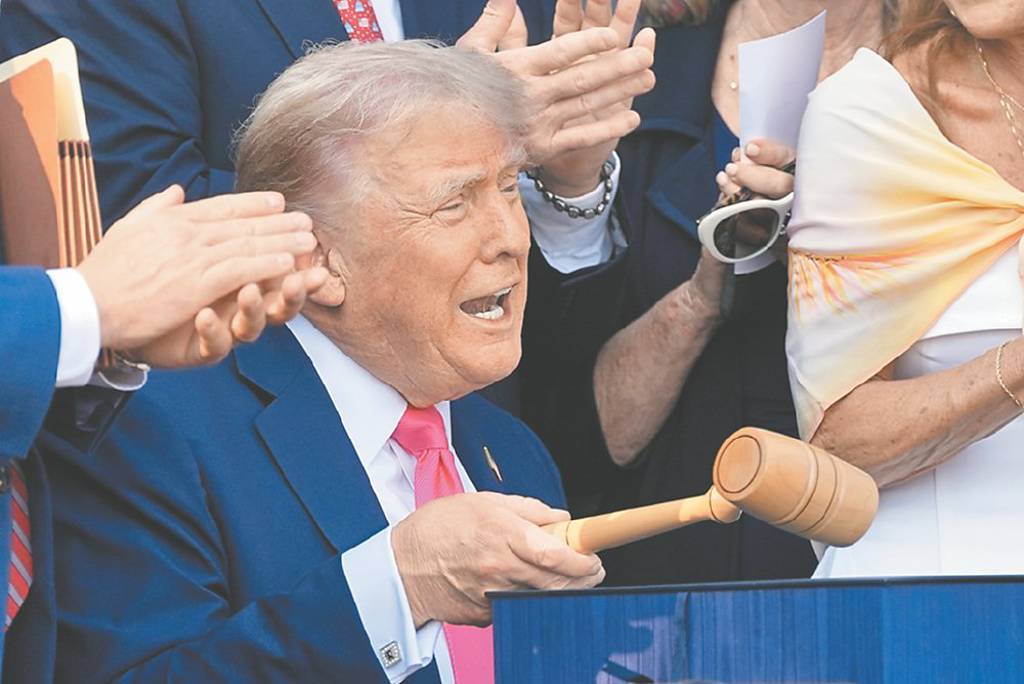
The Trump administration is reportedly preparing to launch new national security investigations under Section 232 of the Trade Expansion Act of 1962, targeting six industries including industrial chemicals and large batteries. This move aims to establish a legally more durable tariff framework after the Supreme Court struck down previous tariffs imposed under the International Emergency Economic Powers Act (IEEPA). Overseas chemical buyers should monitor these developments closely, as they could lead to additional tariffs on chemical imports into the U.S., separate from the existing 15% global tariff.
Background and legal shift
The policy shift follows a Supreme Court ruling last week that invalidated broad tariffs imposed under IEEPA during Trump's second term, which had accounted for over half of tariff revenue. To fill the gap, Trump imposed a temporary 10% tariff on all imports, later raised to 15%, which can remain in effect for 150 days. However, with IEEPA and Section 301 facing legal challenges, Section 232 is seen as a more defensible alternative, requiring a Commerce Department investigation to determine if imports threaten national security.
Targeted industries and chemicals
The proposed Section 232 investigations will cover six sectors: large batteries, cast iron and iron fittings, plastic pipes, industrial chemicals, and grid and telecommunications equipment. These measures would be implemented separately from the 15% global tariff, creating a distinct tariff structure. Additionally, the administration is evaluating tariffs on nine more industries under existing Section 232 frameworks, including semiconductors, pharmaceuticals, drones, industrial robots, and polysilicon for solar panels. Some investigations began nearly a year ago and may accelerate under judicial pressure.
What buyers should watch
Chemical importers and distributors should prepare for potential tariff increases on industrial chemicals, plastic pipes, and related products. The administration is also considering reforming existing steel and aluminum national security tariffs by lowering nominal rates but switching the tax base from the value of steel or aluminum content to the full product value. This could increase actual tariff burdens despite lower headline rates. Companies should review supply chains and consider contingency plans for sourcing from non-U.S. origins.
Compliance and logistics signals
The White House has stated it will use all legal authorities to protect national and economic security, but the timing of new investigations and tariff implementation remains uncertain, pending Commerce Department procedures. The Section 232 process requires longer investigation timelines but grants the president broad discretion over rates and scope once initiated. This legal stability may encourage the administration to pursue aggressive tariff actions, making it critical for importers to stay informed on investigation progress and potential exclusion opportunities.
Source: Read the original report | Published: February 24, 2026