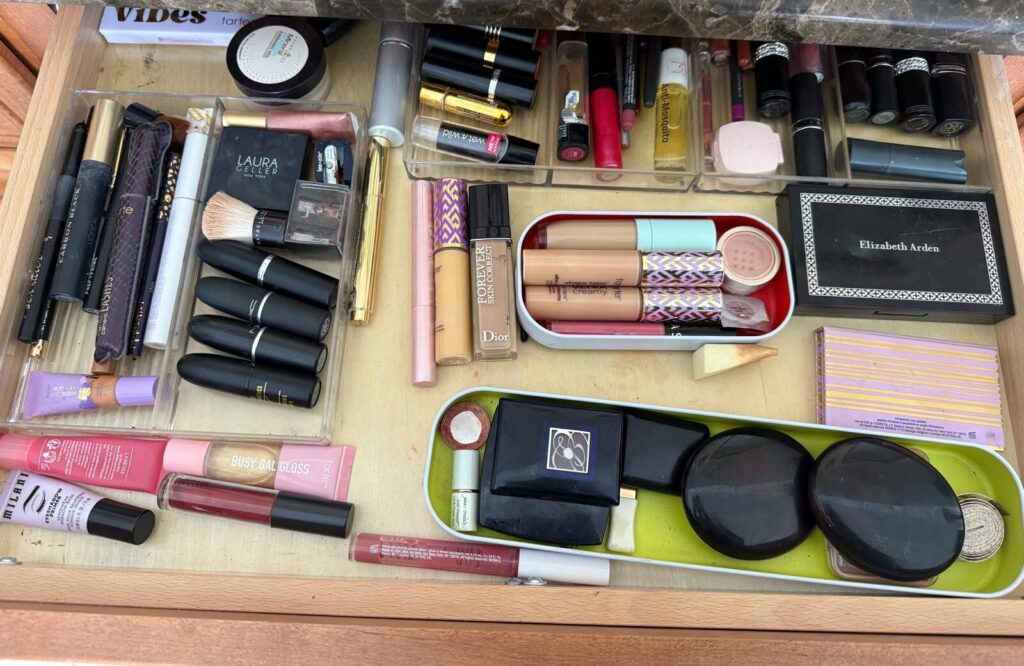
A new study and ongoing advocacy reveal that everyday beauty and hair products sold in the US contain dozens of chemicals linked to cancer and reproductive harm, while federal regulation remains far weaker than in the EU. For overseas buyers sourcing personal-care ingredients or finished products from the US market, this regulatory gap signals potential compliance risks and shifting state-level bans that could affect supply-chain stability.
Regulatory gap between US and EU
The US currently bans or restricts only 11 chemicals in cosmetics, compared to the European Union's ban on nearly 1,700 substances known or suspected to cause cancer, genetic mutation, reproductive harm, or birth defects. Congressional Representative Jan Schakowsky stated, "The US has a lot of catching up to do." This disparity means products legally sold in the US may contain ingredients prohibited in other major markets, creating challenges for global distributors and formulators.
State-level bans create patchwork compliance
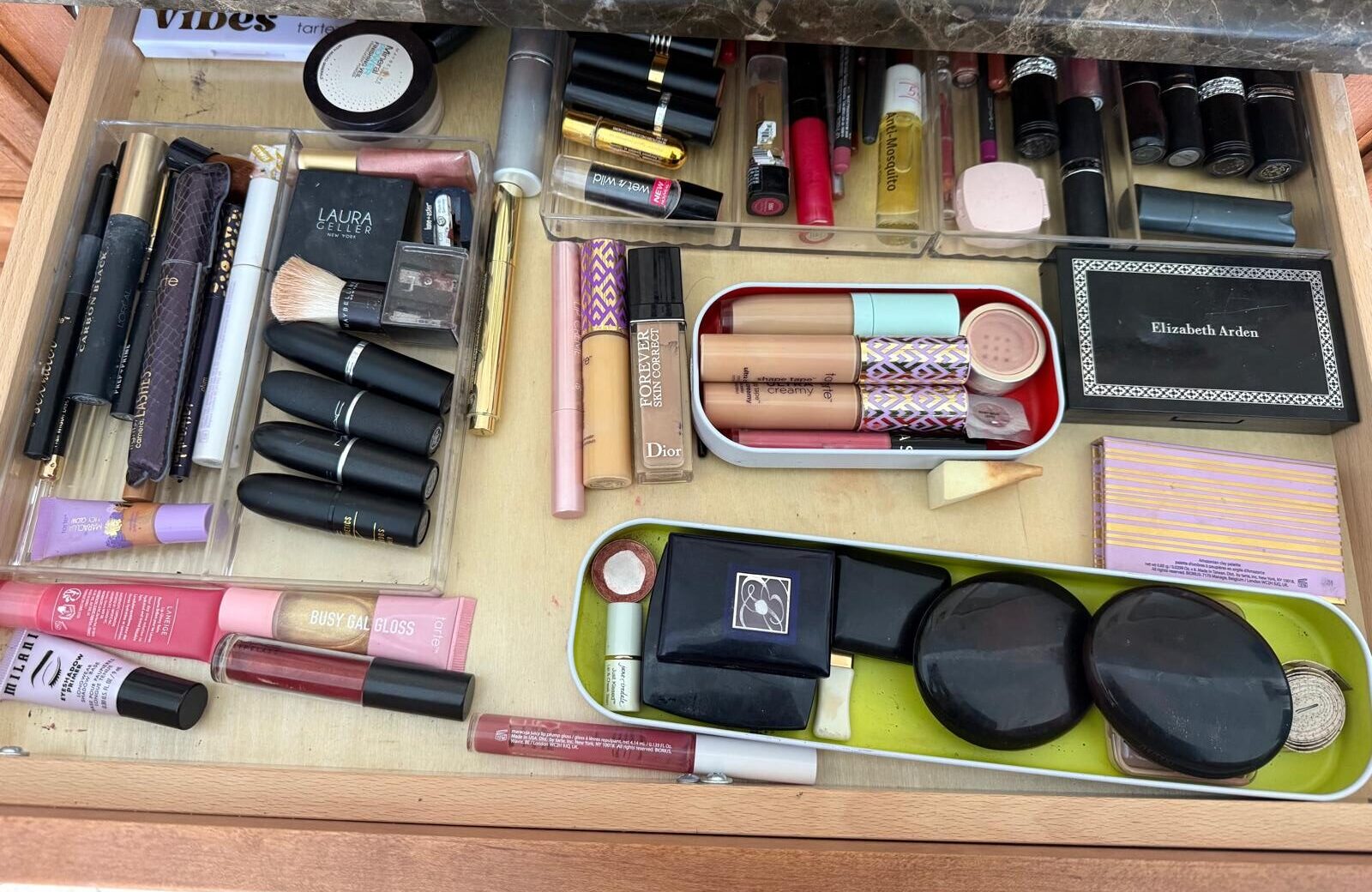
In response to weak federal oversight, at least six US states have enacted their own cosmetics chemical bans. California's Toxic-Free Cosmetics Act prohibits 24 chemicals including mercury, formaldehyde, 13 PFAS compounds, and several parabens and phthalates. For importers and manufacturers, this patchwork of state regulations complicates national distribution and requires careful ingredient tracking across jurisdictions.
Hair extensions found laden with hazardous chemicals
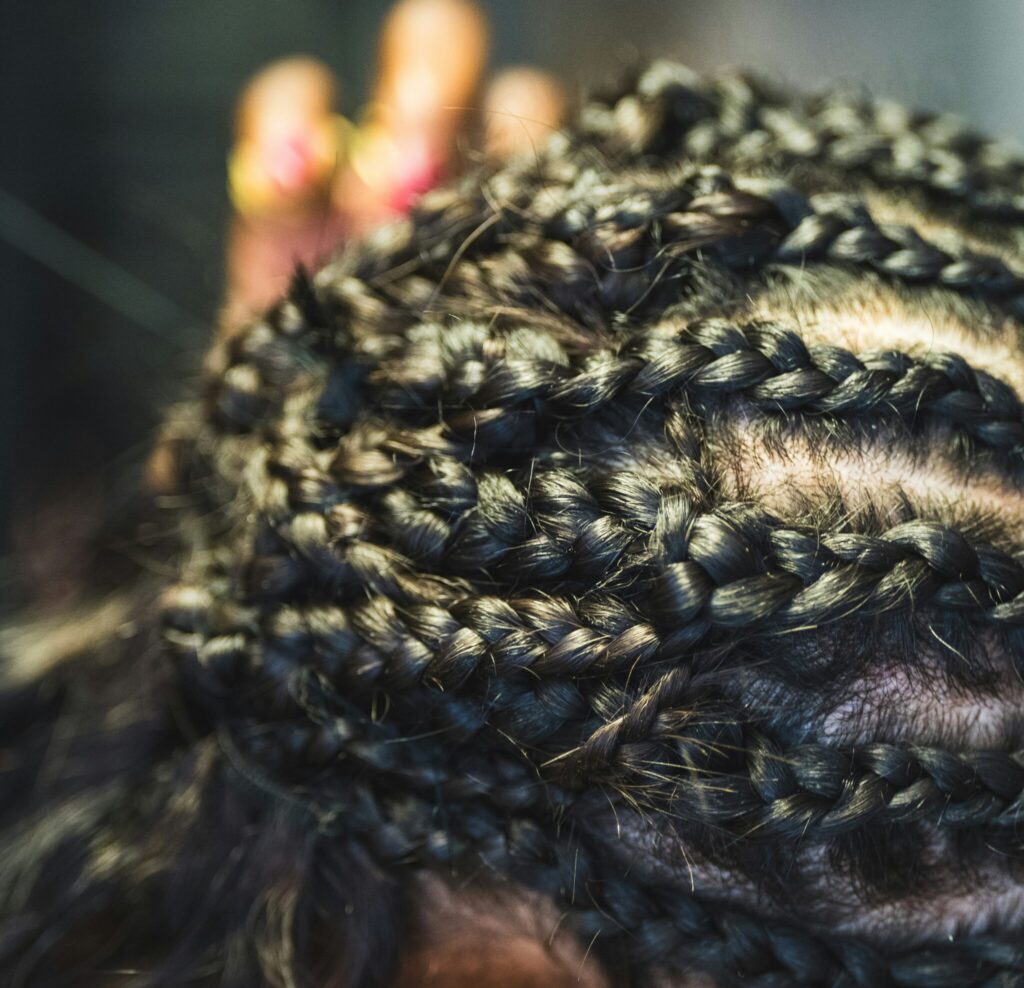
Researchers at Silent Spring Institute tested 43 common hair extension products and found flame retardants, phthalates, pesticides, styrene, tetrachloroethane, and organotins—chemicals linked to cancer, hormone disruption, and immune system effects. Nearly all samples (41 out of 43) contained hazardous substances. Lead author Dr. Elissia Franklin noted, "Companies rarely disclose the chemicals used to achieve these properties, leaving consumers in the dark about health risks from prolonged wear."
What buyers should watch
For overseas buyers of hair extensions, wigs, and synthetic braids—a global market projected to exceed $14 billion by 2028—the findings highlight the need for supplier transparency and third-party testing. The US leads global imports, but sourcing often involves chemical treatment in China and raw materials from India. Buyers should request full ingredient disclosure and verify compliance with both US state laws and EU restrictions to avoid future trade barriers.
Disparities in exposure and legislative response
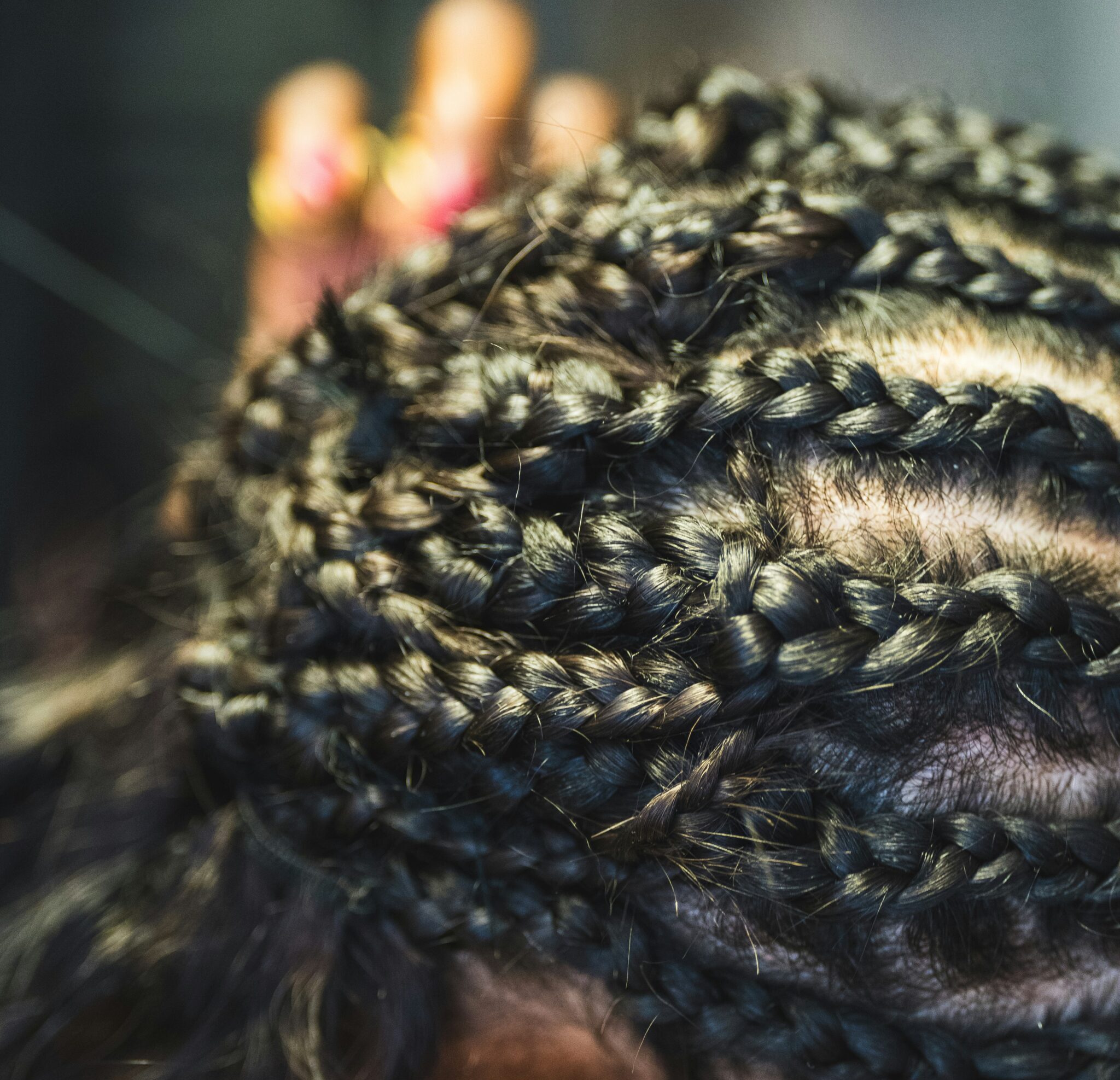
Advocacy groups emphasize that women of color and salon workers face disproportionately high exposure to toxic chemicals in beauty products. Proposed federal legislation would fund research, education, and safer chemical development, while requiring FDA regulation of synthetic braids. For formulators and ingredient suppliers, this signals a potential shift toward stricter federal oversight and increased demand for safer alternatives.
Source: Read the original report | Published: February 23, 2026