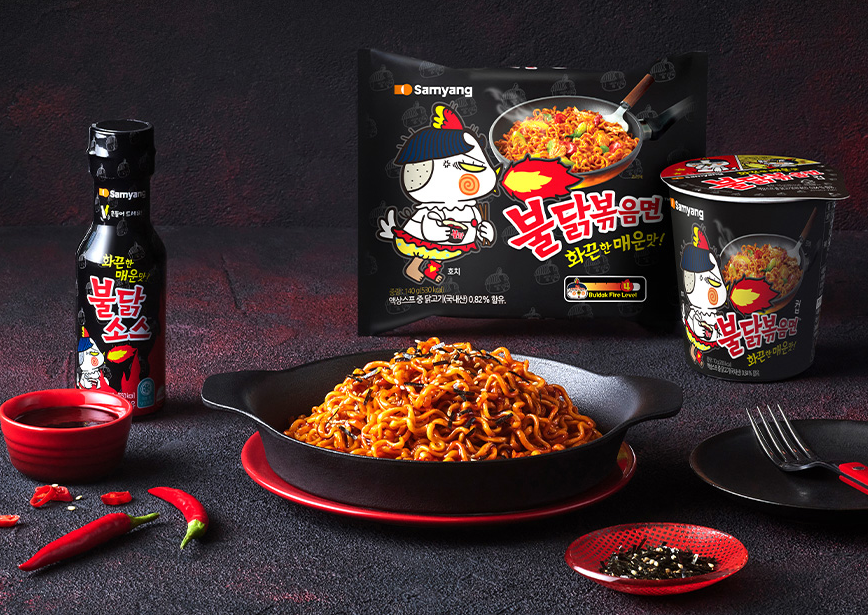
Samyang Foods' flagship Buldak Ramen has been banned from sale in Belarus due to non-compliance with Eurasian Economic Union (EAEU) food additive regulations, highlighting growing regulatory risks for Korean ramen exporters expanding into global markets. The ban underscores the importance of adapting product formulations to local food safety standards, a critical factor for chemical and ingredient suppliers serving the instant noodle supply chain.
Regulatory action details
Belarusian health authorities on March 6, 2026, added Samyang's Buldak Ramen to the national registry of prohibited products, ordering an immediate halt to sales and distribution. The decision followed an investigation that found the product violated EAEU technical regulations, specifically citing the unauthorized use of riboflavin (E101), a color additive, in the noodle manufacturing process.
Supply-chain impact
Local distributor TairMetal, responsible for Buldak Ramen's distribution in Belarus, has been instructed to cease all sales and initiate market recalls. This disruption affects the supply chain for food additives and packaging materials used in Korean ramen exports to the EAEU region, potentially impacting ingredient procurement strategies for formulators and distributors.
What buyers should watch
Importers and distributors of food ingredients, particularly colorants like riboflavin, should monitor EAEU regulatory updates closely. The ban signals that additive approvals vary significantly by product category within the union, even for widely accepted substances. Companies supplying the ramen sector may need to reformulate products or source alternative additives to maintain market access in Belarus and other EAEU member states.
China sourcing context
As Korean ramen exports expand rapidly into North America, Europe, and Central Asia, the incident highlights the growing complexity of compliance for food chemical suppliers. Chinese manufacturers of food additives and intermediates should anticipate similar scrutiny in export markets, reinforcing the need for region-specific regulatory intelligence and flexible production capabilities to meet diverse national standards.
Source: Read the original report | Published: March 09, 2026