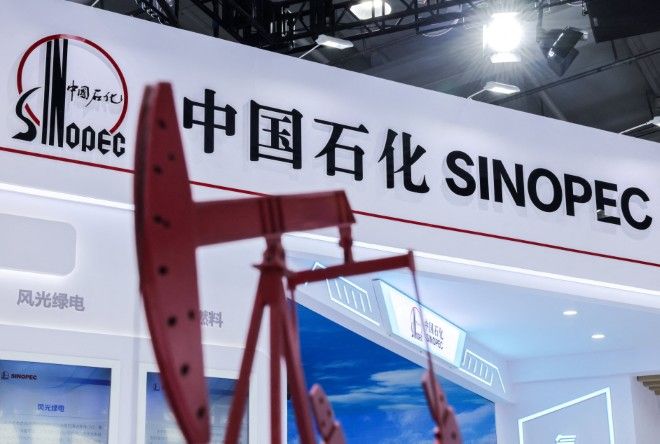
China's ban on exports of diesel, gasoline, and jet fuel until at least end-March 2026 is set to worsen fuel shortages and drive up prices across Asia, directly impacting chemical manufacturers, logistics operators, and industrial buyers who rely on affordable energy and feedstock. The move, aimed at preventing domestic shortfalls, curbs outflows that totaled $22 billion last year, and comes amid war-related disruptions in the Middle East that have already strained regional supply chains.
Supply-chain impact
China is Asia's fourth-largest exporter of clean fuels after South Korea, India, and Singapore, and has long acted as a swing supplier, increasing exports when local demand falls. The outright ban removes this flexibility, leaving other exporters unable to fill the gap. Kpler analyst Zameer Yusof noted that remaining Asian exporters simply lack spare volumes to replicate China's role.
Diesel derivative prices in Asia surged to $150 per barrel on March 17, while jet fuel swaps reached $163 per barrel, up from around $92 before the war. Gasoline traded at $139.80 per barrel on March 17, compared to $79.30 on February 27, according to LSEG data. These spikes raise input costs for chemical producers and downstream industries.
Regional supply constraints
Beyond China, Thailand has banned most refined fuel exports, and South Korea has limited exports to last year's levels while considering further curbs. Wood Mackenzie senior analyst Priti Mehta said refiners in India and Japan are also becoming reluctant to issue export tenders, tightening supply further.
Several refineries in the Gulf, which typically ship fuel to Asia, have shut since the war halted shipping via the Strait of Hormuz. WoodMac warned the conflict could force up to 6 million barrels per day of crude run cuts across Asia, compounding supply shortages for chemical and industrial buyers.
What buyers should watch
Australia, Bangladesh, and the Philippines are especially reliant on Chinese fuel supply. China supplied about a third of Australia's jet fuel last year and roughly half of the Philippines' and Bangladesh's in 2024. Vietnam has already warned airlines to prepare to cut flights in April due to fuel shortage risks.
Bangladesh sent a letter to the Chinese embassy seeking assurance on contracted volumes. State minister Aninda Islam Amit said, "I hope they will continue their supplies in this critical time." Meanwhile, Australia's transport minister said airlines Qantas and Virgin are well placed to withstand disruption for now.
China sourcing context
Chinese state firms PetroChina and Unipec supply fuel to Bangladesh, though cargoes can be delivered from wherever is economical. China's Ministry of Foreign Affairs said military action in the Middle East should stop and that Beijing is willing to cooperate on energy security. Buyers should monitor whether China extends the ban beyond March or adjusts quota allocations, as this will directly affect availability and pricing for Asian importers.
Compliance and logistics signals
ExxonMobil has chartered up to three gasoline shipments from the U.S. Gulf Coast to Australia for arrival in late April, an unusual and expensive routing that underscores the war's disruption. Vortexa's head of Asia-Pacific analysis Ivan Mathews said more product exports from the Red Sea are likely to head toward Asia. Buyers should prepare for longer lead times and higher freight costs as alternative supply routes emerge.
Source: Read the original report | Published: March 18, 2026