A sharp rise in crude oil prices, triggered by the Iran conflict, is driving up raw material costs across the fashion supply chain, with Chinese apparel suppliers now preparing for higher garment prices. For overseas buyers of polyester, acrylic, and other petrochemical-derived fibers, this signals potential cost increases and supply volatility in the near term.
Supply-chain impact
Since the US and Israel launched strikes on Iran over a week ago, prices of chemical fibers such as polyester and acrylic—key petroleum byproducts used in garment manufacturing—have surged more than 10%, according to seven apparel makers in southern and eastern China interviewed by Bloomberg News. Textile suppliers are now revising prices one to two times daily to keep pace with volatile crude markets. Wu Ying, who runs two factories in Guangzhou producing women's shirts and dresses, said she has received a flurry of WeChat messages from fabric and raw-material suppliers warning that prices cannot be guaranteed until orders are confirmed. To manage rising costs, Wu is negotiating cost-sharing with customers—mainly small-to-medium apparel stores in Guangdong and Tmall merchants—while also increasing advance payments to ease cash-flow pressure.
What buyers should watch
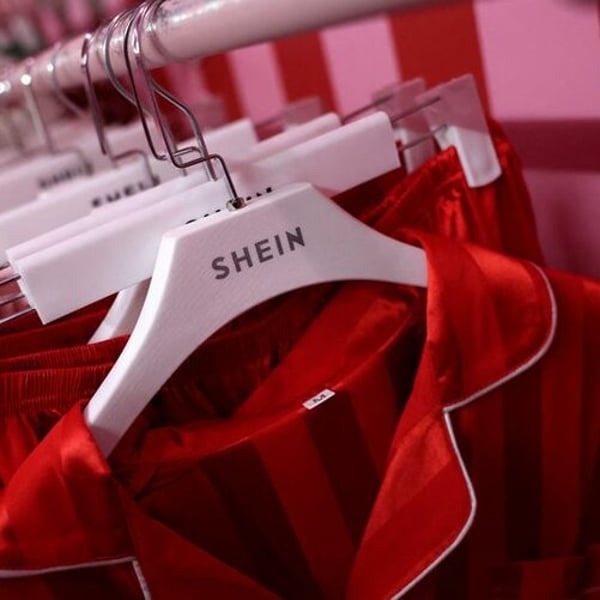
The spike in input costs risks cascading through the apparel supply chain, likely pushing up finished-goods prices. Fast-moving e-commerce exporters selling via Shein, Temu, or Amazon.com Inc. may pass on higher material costs more quickly, as small-lot orders allow price renegotiation with upstream suppliers within days. Huang Lun, a sales manager at a Guangzhou-based apparel firm selling underwear and yoga pants online in the US, said his team now checks prices daily and may implement increases within days if crude volatility persists.

China sourcing context
Two suppliers to Shein told Bloomberg they are negotiating with the fast-fashion retailer to share about half of the roughly 10% rise in chemical-fiber costs for new orders. However, not all factories have such bargaining power. Lily Lu, who runs a Zhejiang-based exporter of garments and accessories to clients including Walmart Inc., said the recent surge threatens business continuity. One fabric supplier warned of a 10% cost increase on Monday, then minutes later revised it to over 15%.
Compliance and logistics signals
Crude oil jumped as much as 29% on Monday, the biggest one-day gain since April 2020, as more Gulf producers cut output and Iran named a new supreme leader. With no signs of de-escalation, the war entered its 10th day. Polyester accounted for 59% of global fiber production in 2024, versus 19% for cotton, according to Textile Exchange. Buyers should monitor crude trends closely, as sustained volatility will directly impact pricing for polyester, acrylic, and downstream textile products.
Source: Read the original report | Published: March 09, 2026